6 days ago
Maharashtra FDA Explains When Restaurants Can Lose Licences
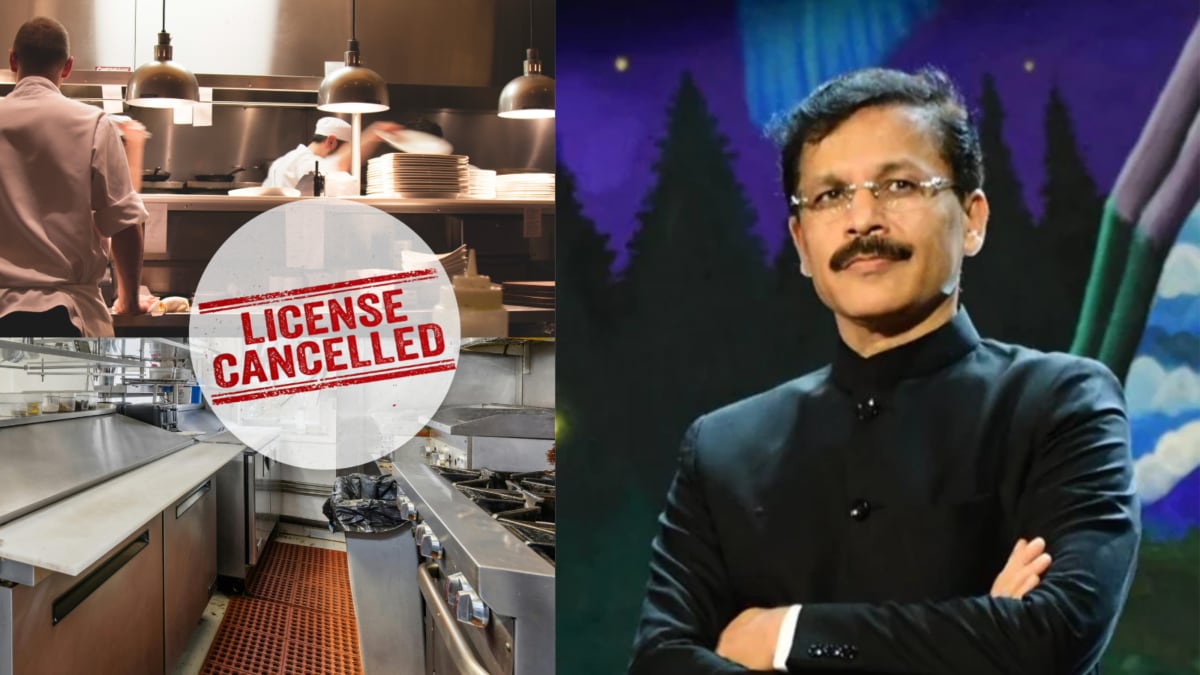
A restaurant can serve tasty food and still have an unsafe kitchen.
Food inspectors recently found several serious problems at a famous Mumbai ice cream parlour.
They reported seeing rodents, expired ingredients and poor food-handling practices.
The cold temperature needed to keep ice cream safe was also not maintained.
Restaurants must follow hygiene and safety rules to keep their licences.
Usually, officials first tell a business what it must fix.
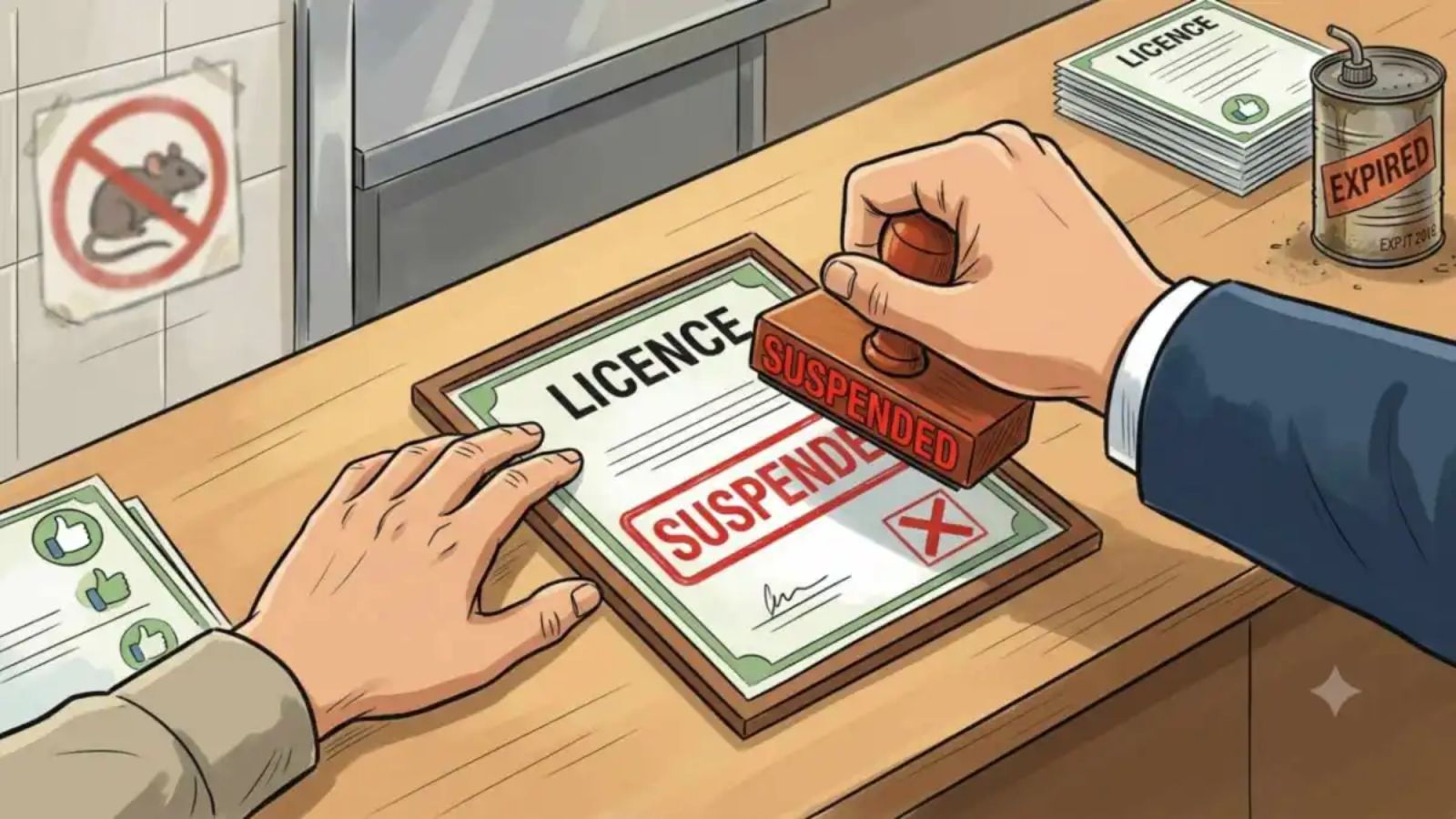
If the business does not fix serious problems, its licence can be suspended or cancelled.
Customers can help by asking how food is prepared and whether workers are trained and properly equipped.

Maharashtra FDA Chief Tukaram Mundhe said taste and popularity do not guarantee food safety.
Inspectors found alleged hygiene and process failures at Mumbai ice cream parlour K Rustom’s.
Reported violations included rodents, expired ingredients, improper clothing-washing practices and an unmaintained cold chain.
Under Section 32, authorities can issue improvement notices before suspending or cancelling a licence.
Diners are encouraged to ask about ingredients, staff training, protective equipment and kitchen standards.
- Who
- Maharashtra Food and Drug Administration Chief Tukaram Mundhe, food-safety officers, restaurant operators and diners.
- What
- The article explains when food-safety violations can lead to a restaurant’s licence being suspended or cancelled.
- Where
- Maharashtra, including Mumbai’s K Rustom’s ice cream parlour.
- When
- The report was published on August 27, 2026; the cited inspection involved a recent temporary closure of K Rustom’s.
- Why
- To protect public health and encourage restaurants and consumers to take food-safety standards seriously.
Key facts
- Relevant law
- The Food Safety and Standards Act, including Section 32, governs improvement notices and possible licence action.
- Required standards
- Licensed food businesses must follow hygienic and sanitary practices under Schedule 4 of India’s food-safety regulations.
- Inspection example
- K Rustom’s was temporarily closed after inspectors reported serious hygiene and process failures.
- Reported violations
- Inspectors cited rodents, expired ingredients, improper washing and drying of food handlers’ clothes, and an unmaintained ice-cream cold chain.
- Enforcement process
- Authorities may issue an improvement notice, suspend a licence for non-compliance and cancel it after giving the operator an opportunity to show cause.
- Immediate action
- A licence can be suspended immediately when authorities consider it necessary to protect public health.
- Consumer checks
- Diners can ask about raw materials, food-handler training, protective clothing, health checks and food-safety standards.
Quotes

Tukaram Mundhe
Chief of the Maharashtra Food and Drug Administration
“The standards were not being implemented there. It is not just about hygiene. Hygiene is being highlighted much more, and that is necessary, but that is not the only or most important part. All the processes, most of the processes, were not being followed.”
 news18.com
“Tell me, what standards are you using? What raw materials are you using? Are your food handlers trained?”
news18.com
Sources
Related news

Maharashtra FDA Suspends Four Food Licences Amid Statewide Safety Drive

Maharashtra FDA Suspends Licences Amid Mumbai Food Safety Violations

Maharashtra FDA Suspends Radio Club, McDonald’s Licences Over Hygiene
Maharashtra FDA Suspends Five MCA Food Outlet Licences
Maharashtra FDA Suspends Colaba McDonald’s Licence Over Food Violations

Mumbai FDA Suspends Six Food Outlets Over Safety Violations
India’s Proposed Food Warning Labels Face Health, Industry Backlash

FSSAI Chief Backs Mundhe’s Maharashtra Food Safety Drive

Egg prices surge 10-50% in six months, consumers concerned about adulteration
Cockroach Allegedly Spotted On Dessert Plate At Virar Restaurant

India Proposes Red Warning Labels for Unhealthy Packaged Foods