

1 week ago
Maharashtra Food Safety Raids Expose Gaps Beyond Restaurant Compliance
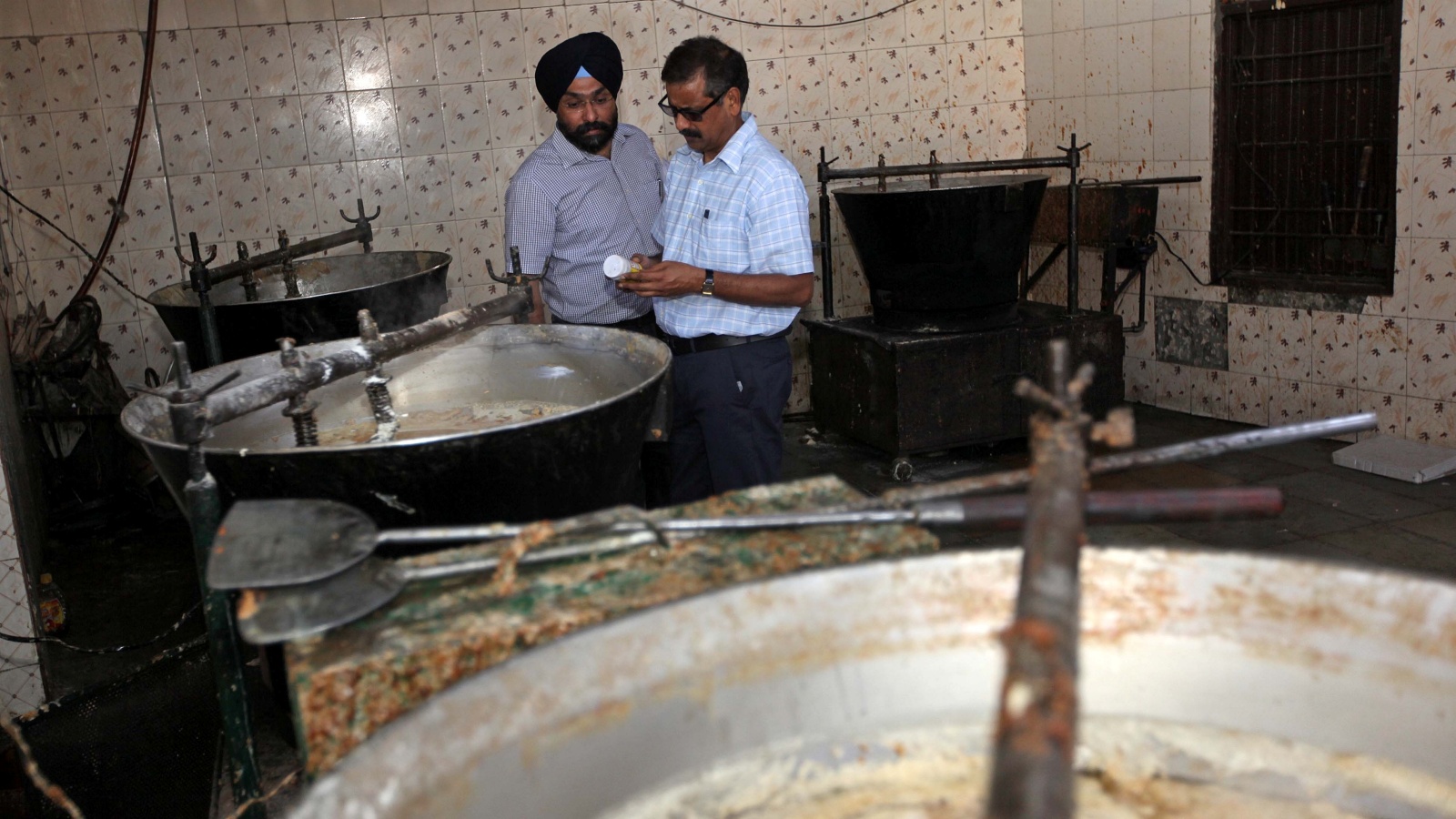
Maharashtra has increased inspections of restaurants and other food businesses.
These checks found problems and led to licence suspensions and improvement notices.
Pune had the highest number of complaints and many inspections.
Some restaurant owners already follow careful routines, such as checking refrigerators, cleaning equipment and training workers.
Experts say rules are useful only when businesses follow them every day, not just when inspectors arrive.
They also say many operators need more education and training.
Laboratories must test food quickly so serious violations can be proved.
Regulators are being urged to focus on the riskiest foods and repeat offenders.
Food safety also includes honest labels and responsible advertising, not only clean kitchens.

Maharashtra conducted more than 3,000 food-safety inspections between May 25 and July 31, suspending 165 licences and issuing 750 improvement notices.
Pune recorded 691 inspections between May 25 and August 19, leading to 53 licence suspensions and 408 improvement notices.
Experts say food-safety rules often fail to become routine because of limited awareness, staffing shortages, delayed laboratory results and weak coordination.
FSSAI has revised turnover-based licensing categories and trained about 10,000 Mumbai street-food vendors in hygiene practices.
Stakeholders recommend risk-based inspections, faster adjudication, stronger laboratories and sustained compliance rather than periodic crackdowns.
- Who
- Maharashtra’s Food and Drug Administration, the Food Safety and Standards Authority of India, restaurant owners, food vendors and food-safety experts.
- What
- An intensified food-safety inspection drive has exposed compliance problems and prompted debate about how to make safe practices routine.
- Where
- Across Maharashtra, with Pune recording the highest number of complaints; Mumbai street-food vendors were also discussed.
- When
- Inspections cited in the report occurred between May 25 and July 31 statewide, and between May 25 and August 19 in the Pune division; the drive intensified after May.
- Why
- The stated goal is to protect public health, while experts seek more consistent enforcement, training, testing and consumer protection.
Sustained, Risk-Based Enforcement
Education and Proportionate Compliance
How to change behavior
Sustained, Risk-Based Enforcement
Visible enforcement can change behavior, but regulators should focus continuously on high-risk foods, establishments, supply chains and repeat violators.
Education and Proportionate Compliance
Many violations stem from limited awareness, so training and education should help operators understand and apply food-safety responsibilities.
Inspection priorities
Sustained, Risk-Based Enforcement
Enforcement should move beyond counting inspections and use credible laboratory evidence, faster adjudication and proportionate penalties.
Education and Proportionate Compliance
Businesses should receive time to correct minor deficiencies without unnecessary public shaming, while serious public-health violations should receive stronger action.
Training and licensing
Sustained, Risk-Based Enforcement
Training should lead to demonstrated implementation rather than simply adding another document to the compliance process.
Education and Proportionate Compliance
Basic FoSTac food-safety training should be required before a food licence is issued so operators understand their obligations from the start.
Key facts
- Statewide inspections
- More than 3,000 inspections were conducted in Maharashtra between May 25 and July 31.
- Statewide enforcement
- The inspections resulted in 165 licence suspensions and 750 improvement notices.
- Pune division
- Pune recorded 691 inspections, 53 suspended licences and 408 improvement notices between May 25 and August 19.
- Licensing threshold
- From April 1, businesses with annual turnover up to Rs 1.5 crore require FSSAI registration; those between Rs 1.5 crore and Rs 50 crore require a State licence; those above Rs 50 crore require a Central licence.
- FSSAI coverage
- FSSAI has issued around 26,000 licences across Maharashtra, Gujarat, Goa and Madhya Pradesh.
- Vendor training
- About 10,000 street-food vendors in Mumbai have received training, alongside more than 60 officer-led street-hygiene programs.
- Poona Guest House practices
- The restaurant conducts pest control twice monthly and checks refrigerator temperatures, cooking-oil registers, staff training and hand-wash facilities.
Quotes
Kishore Sarpotdar
Third-generation owner of Poona Guest House and president of the Pune Restaurants and Catering Association
“Our health is paramount. A significant portion of disease burden comes from non-communicable diseases, and the food we consume plays an important role in our overall well-being. Our goal is to ensure safe, standardized food for a healthier future”
 indianexpress.com
“Visible and credible action, as seen in Maharashtra recently, can change behaviour. However, long delays between violation detection and final accountability weaken deterrence.”
indianexpress.com
Sources
Related news

Maharashtra FDA chief: goal is voluntary compliance, not crackdowns

India’s Food Safety Rules Face Persistent Enforcement Gaps

Maharashtra FDA Explains When Restaurants Can Lose Licences

India Expands Food-Safety Crackdown Across Kitchens, Dairies and Warehouses
Maharashtra FDA Suspends 165 Licences After Inspecting 3,137 Food Outlets

India’s Proposed Food Warning Labels Face Health, Industry Backlash

Egg prices surge 10-50% in six months, consumers concerned about adulteration

Cockroach Allegedly Spotted On Dessert Plate At Virar Restaurant

India Proposes Red Warning Labels for Unhealthy Packaged Foods
Maharashtra Pauses Loose Oil Ban, Gives Traders One-Year Transition
