

5 days ago
India Expands Food-Safety Crackdown Across Kitchens, Dairies and Warehouses

Food-safety officers across India are checking places where food is made, stored and sold.
They look for problems such as expired food, dirty equipment, bad refrigeration and adulteration.
In Maharashtra, Tukaram Mundhe has led many surprise inspections and suspended food licences.
Uttar Pradesh officers tested and seized large amounts of suspicious milk products, sweets, oils and ghee.
Rajasthan is also teaching food workers how to handle food safely before problems happen.
Punjab is testing milk and paneer from farms, factories and shops.
These states use different methods, including raids, laboratory tests, training and mobile laboratories.
The goal is to stop unsafe food from reaching people’s plates.

Maharashtra inspected 3,137 food establishments between 25 May and 31 July 2026, suspending 165 licences and seizing or destroying unsafe food worth Rs 55.72 crore.
Maharashtra inspections covered restaurants, dairies, warehouses, hotel kitchens, canteens and businesses linked to online delivery platforms.
Uttar Pradesh conducted 6,075 inspections and 2,740 raids during an October 2025 campaign, collecting 3,767 samples and destroying harmful material.
Rajasthan combined enforcement with training, reaching more than 30,000 food workers in one day and expanding digital inspections and mobile testing.
Punjab tested 204 milk samples, with 68 failing quality checks and one deemed unsafe; the article dates the drive to 7–8 May, while a caption says 6–7 May.
- Who
- Food-safety officials led by Tukaram Mundhe, Roshan Jacob, T Shubhamangala and Kanwalpreet Brar.
- What
- State-level inspections, raids, laboratory testing, licence suspensions, seizures, destruction of unsafe food and training programmes.
- Where
- Across India, with highlighted actions in Maharashtra, Uttar Pradesh, Rajasthan and Punjab.
- When
- The reported campaigns took place during 2025 and 2026, including May–August 2026 and October 2025.
- Why
- To detect adulteration and unsafe food handling, protect public health and improve food-safety practices.
Enforcement and Penalties
Prevention and Education
How to improve food safety
Enforcement and Penalties
Visible inspections, raids, seizures and licence suspensions are necessary to identify violations and deter businesses from unsafe practices.
Prevention and Education
Training food handlers, improving hygiene education, using digital inspections and expanding access to testing can prevent violations before they occur.
Regulatory focus
Enforcement and Penalties
Officials should act aggressively when expired products, adulteration, poor storage or sanitation failures create public-health risks.
Prevention and Education
Businesses should also receive guidance on safe handling and storage, rather than facing only penalties after problems are found.
Key facts
- Maharashtra inspections
- 3,137 establishments inspected between 25 May and 31 July 2026.
- Maharashtra enforcement
- 165 licences suspended; 28.66 lakh kg of unsafe food seized or destroyed, valued at Rs 55.72 crore.
- Online food businesses
- In August 2026, 86 establishments were inspected, producing 60 improvement notices and 14 licence suspensions.
- Uttar Pradesh campaign
- From 8–17 October 2025, officials conducted 6,075 inspections, 2,740 raids and collected 3,767 samples.
- Rajasthan training
- More than 30,000 food-business operators and related workers were trained on 17 March 2026, against a target of 50,000.
- Punjab milk testing
- Of 204 samples tested, 68 failed quality checks and one was found unsafe for drinking.
- Reported date discrepancy
- The Punjab drive is dated 7–8 May 2026 in the article text, while an accompanying caption says 6–7 May 2026.
Sources
Related news

Tukaram Mundhe’s Mumbai Food Safety Crackdown Draws National Attention

FSSAI Chief Backs Mundhe’s Maharashtra Food Safety Drive
Maharashtra FDA Suspends 165 Licences After Inspecting 3,137 Food Outlets
Maharashtra FDA chief: goal is voluntary compliance, not crackdowns

Kunal Kohli Jokes About Tukaram Mundhe Inspecting Indian Kitchens
Maharashtra Food Crackdown Wins Praise, Draws Court Challenges

Gold Loans Quadruple as India’s Untapped Gold Wealth Fuels Growth
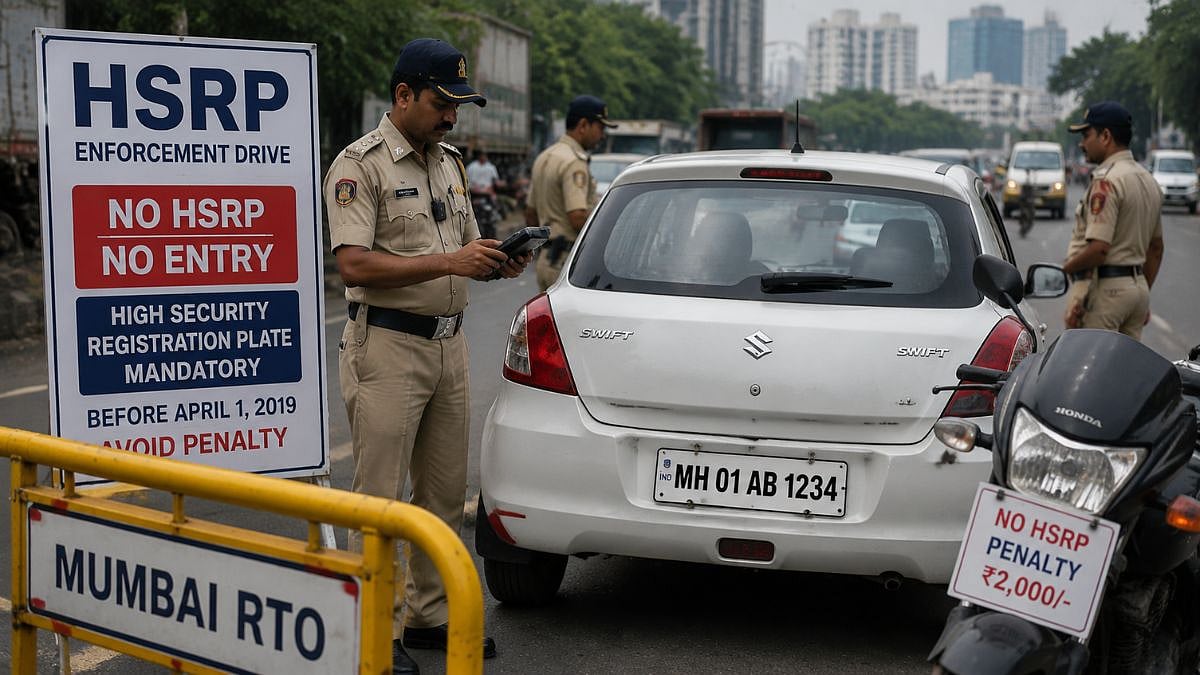
Maharashtra Penalises 33,993 Vehicles in HSRP Enforcement Drive
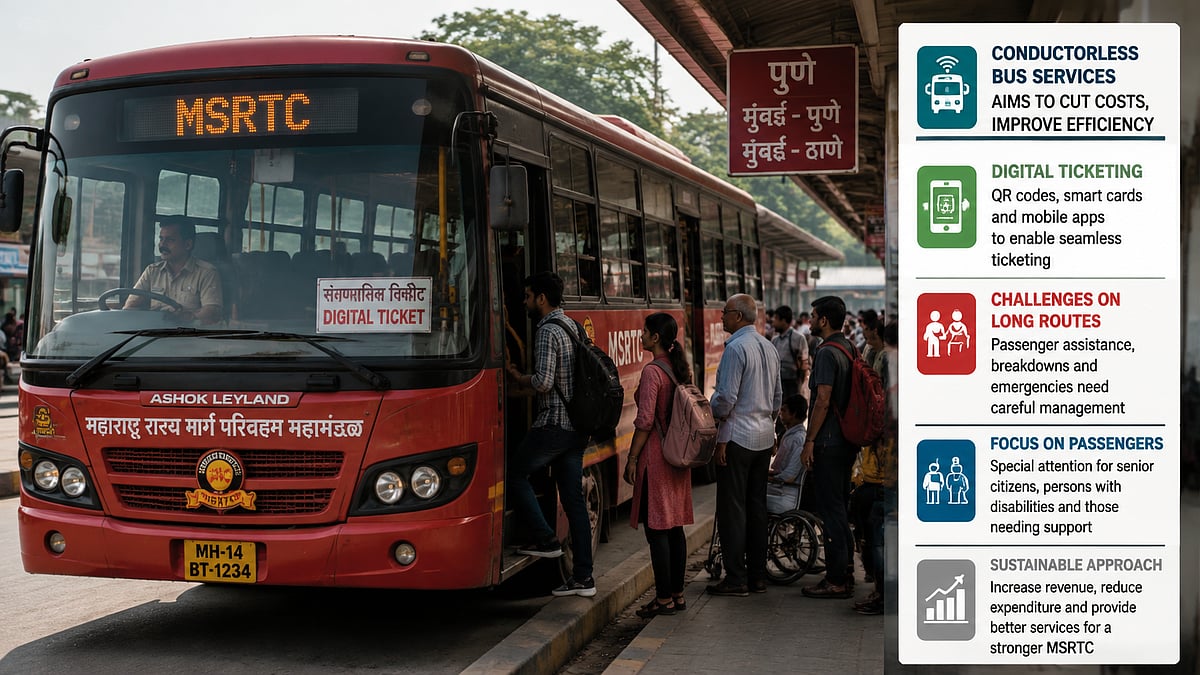
MSRTC Conductorless Bus Plan Targets Costs, Raises Long-Route Safety Concerns

Maharashtra Congress Seeks More Time for SIR Voter Claims

Mirzapur: The Movie Sells Over One Lakh Advance Tickets
