14 hrs ago
Why Flu Can Raise Blood Sugar Despite Eating Less
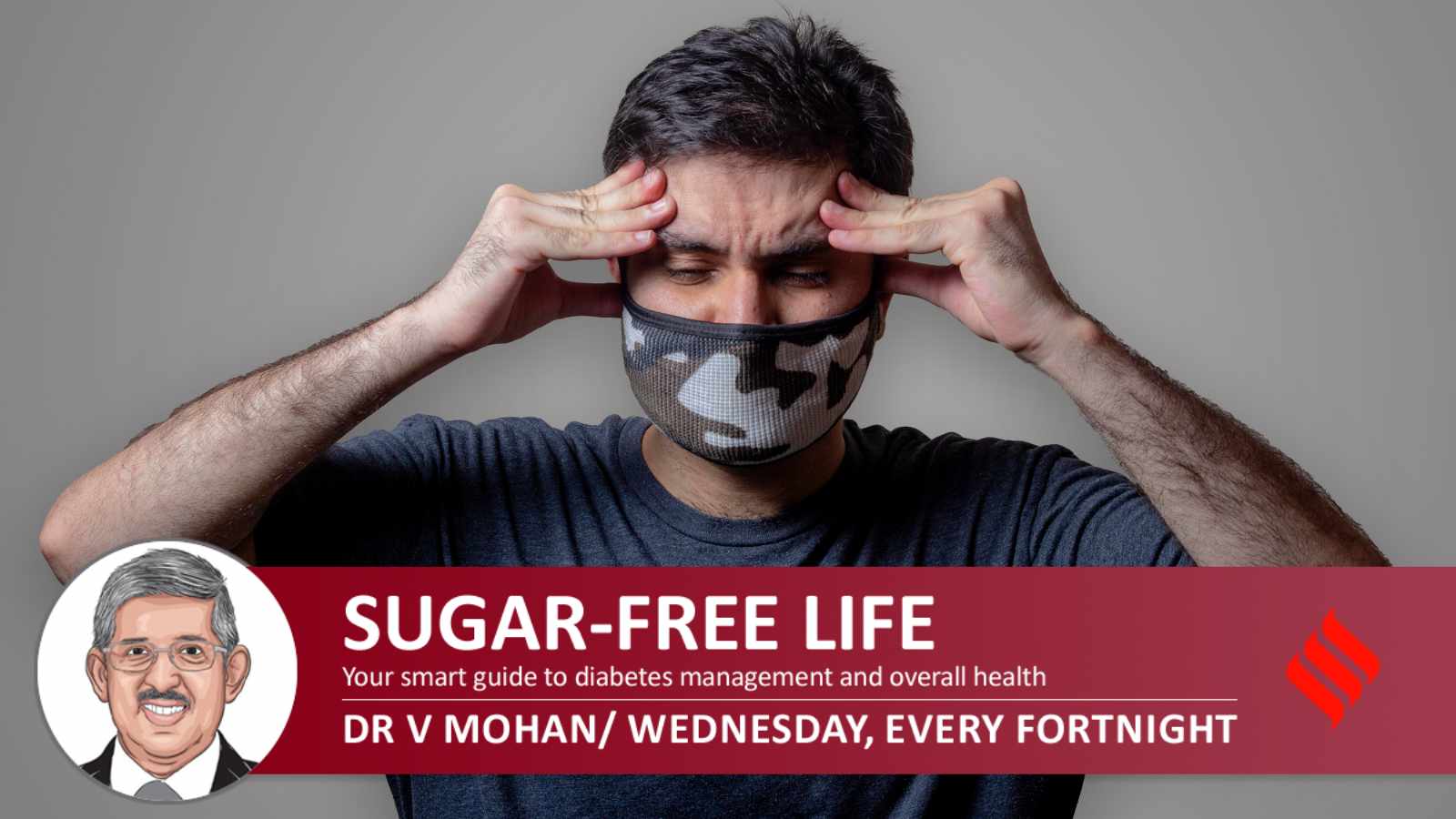
When someone has the flu, the body releases stress hormones to help fight the infection.
These hormones can make blood sugar rise, even if the person is eating very little.
People with diabetes should check their blood sugar more often while sick.
They should drink fluids regularly because dehydration can make blood sugar harder to control.
They should not stop diabetes medicines unless a doctor tells them to.
Some cold medicines can also affect blood sugar or interact with other medicines.
Antiviral treatment may help some people and works best when started early.
Trouble breathing, chest pain, confusion, repeated vomiting, dehydration, or very high or low blood sugar are warning signs.
Flu vaccination and, when advised, pneumococcal vaccination can help reduce infection risks.

Influenza can raise blood sugar because infection-related stress hormones increase glucose levels.
People with diabetes should monitor blood sugar more frequently and follow their doctor’s sick-day plan.
Do not stop or change diabetes medicines without medical advice, even when appetite is poor.
Fluids are important during flu, while some over-the-counter cold medicines may affect blood sugar or interact with other medicines.
People with diabetes should seek prompt medical advice for severe symptoms and discuss flu and pneumococcal vaccination with their doctor.
- Who
- People with diabetes who develop influenza, along with their doctors or healthcare providers.
- What
- Influenza can raise blood sugar despite reduced food intake and may increase the risk of complications for people with diabetes.
- Where
- The guidance concerns people with diabetes, including those in India, where influenza also circulates.
- When
- During a flu infection, especially when symptoms have recently appeared or blood sugar changes suddenly.
- Why
- Infections trigger stress hormones that raise blood glucose; dehydration, medicines, and complications can make control more difficult.
Key facts
- Main cause
- Stress hormones released during infection can raise blood glucose.
- Monitoring
- Check blood sugar more often than usual and record the readings during flu.
- Medicines
- Do not stop or adjust diabetes medicines without medical guidance.
- Hydration
- Take frequent sips of water or other suitable drinks, particularly when appetite is poor.
- Cold remedies
- Some over-the-counter cold and flu medicines can affect blood sugar or interact with other medicines.
- Antivirals
- Antiviral medicines may be recommended for some people with diabetes and work best when started early.
- Vaccination
- Seasonal flu vaccination and doctor-recommended pneumococcal vaccination should be discussed.
Sources
Related news
H1N1 Cases Rise in Delhi, Diabetics Warned About Complications
Medication and Blood Sugar Can Vary Between People

Summer Heat Doesn't Strengthen H1N1, But Can Worsen Illness
ICMR Says Seasonal H1N1 Flu Rise Needs No Panic

Doctors Urge Vigilance as Influenza Cases Rise in Delhi-NCR

Why Blood Sugar Rises Even When You Haven’t Eaten