2 weeks ago
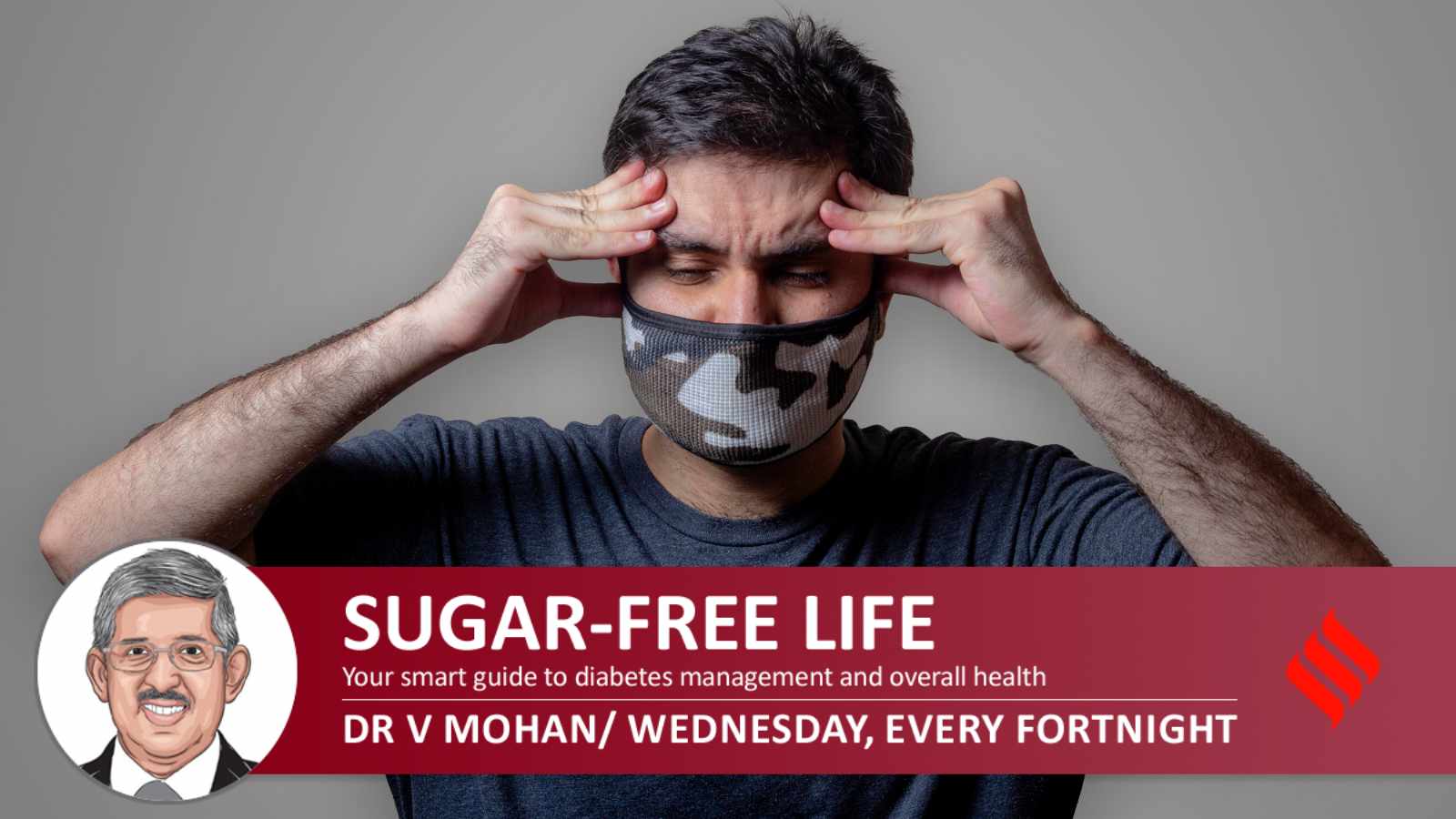
How Gen Z students can manage blood sugar at college

Your body uses sugar from food for energy, and a hormone called insulin helps control how much sugar is in your blood.
Sometimes that system stops working well, which can lead to a disease called type 2 diabetes.
Doctors are now seeing type 2 diabetes in younger people, including college students.
Eating badly once in a while does not cause diabetes, but eating too much junk food, sitting all day and not sleeping enough over a long time can make it more likely.
Students can help themselves by eating fruits, nuts, eggs, curd or homemade sandwiches when they are busy.
They can still enjoy pizza with friends, as long as it is not the main food every single day.
Sugary drinks have a lot of added sugar, so water or unsweetened drinks are better choices.
Moving more, like walking between classes or taking the stairs, is good for the body.
Sleeping well is also important because not sleeping enough can affect appetite, stress hormones and blood sugar.
If someone's family has diabetes, or they are overweight, they should talk to a doctor about getting checked.

Type 2 diabetes is increasingly being recognized in younger adults, though age alone does not determine risk.
A sustained pattern of poor diet, inactivity, inadequate sleep and weight gain can contribute to insulin resistance in susceptible young people.
Experts say students need not ban foods like pizza or burgers, but should watch frequency and pick balanced, fibre-rich canteen meals.
Breaking up long sitting sessions with walks between classes, stairs and short study breaks can counter sedentary college habits.
Young adults with strong family history, excess weight, high blood pressure or a history of gestational diabetes should discuss screening with a healthcare professional.
- Who
- Gen Z college students and young adults; the advice comes from Dr Mohan, chairman of Dr Mohan's Diabetes Specialities Centre, Chennai
- What
- Guidance on managing blood sugar and reducing type 2 diabetes risk through diet, physical activity, sleep and screening
- Where
- College campuses and hostels, with guidance centered at Dr Mohan's Diabetes Specialities Centre in Chennai, India
- When
- Not specified in the article
- Why
- Lifestyle patterns such as poor diet, prolonged sitting and inadequate sleep can raise type 2 diabetes risk in young adults
Key facts
- Expert
- Dr Mohan, chairman, Dr Mohan's Diabetes Specialities Centre, Chennai
- Condition
- Type 2 diabetes, increasingly recognised in younger adults
- Risk factors
- Genetics, family history, excess body weight (especially abdominal fat), physical inactivity, metabolic factors
- Screening tests
- Fasting plasma glucose and HbA1c, based on clinical situation
- Activity target
- 150 minutes of moderate-intensity physical activity per week, built up gradually
- Warning symptoms
- Increased thirst, frequent urination, unexplained weight loss, unusual fatigue, blurred vision, recurrent infections
- Diet advice
- Combine protein, vegetables and fibre-rich foods with a sensible portion of carbohydrate; limit sugary drinks
Sources
Related news
Why Indians in Their 20s Face Diabetes, Fatty Liver

India heading toward metabolic crisis over obesity, warns gastroenterologist
Can everyday plastics affect blood sugar? What experts say

Weekend Habits May Disrupt Blood Sugar Into Week

Why Blood Sugar Rises Even When You Haven’t Eaten

Short Bouts of Office Activity Linked to Lower Diabetes Risk