1 week ago
Medication and Blood Sugar Can Vary Between People
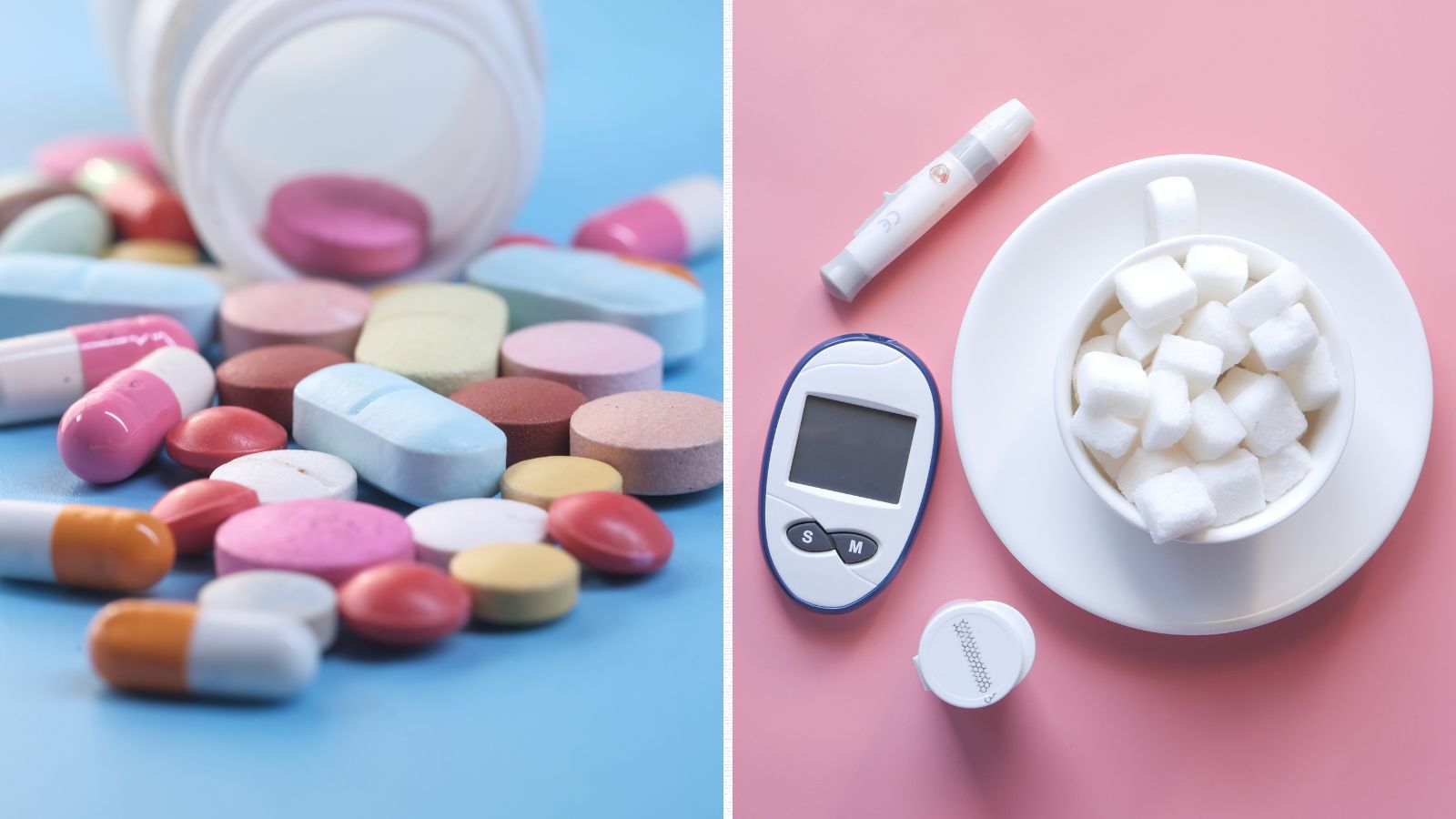
Medicines do not affect everyone’s body in exactly the same way.
The same drug may raise or lower one person’s blood sugar more than another’s.
This can depend on genes, body size, age, diet and how well the kidneys and liver work.
Other medicines and gut bacteria may also change the drug’s effects.
The time a medicine is taken and whether it is taken with food can matter.
Some medicines, such as steroids, can raise blood sugar.
Other medicines, such as insulin, can lower it.
If a new medicine changes your readings, write down what happened and tell your doctor.
Do not stop taking the medicine or change its dose on your own.

The same medication and dose can affect people’s blood sugar differently.
Genetics, age, body composition, organ function, diet, meal timing and other medicines may influence glucose responses.
Steroids, certain water pills, some antipsychotics and beta blockers can raise blood sugar.
Insulin, sulfonylureas and some antibiotics can lower blood sugar.
People should track glucose, medication timing, meals and symptoms, and consult a doctor rather than changing medication themselves.
- Who
- People taking medication, particularly those monitoring blood sugar or using diabetes medicines, and their doctors.
- What
- The article explains why the same medicine can affect different people’s blood sugar differently and what to do about changes.
- Where
- The information was provided in an Indian Express article and applies to medication use generally.
- When
- Changes may occur after starting a medicine or depending on the time it is taken relative to meals and the body’s daily rhythms.
- Why
- Individual differences in genetics, metabolism, organ function, diet, meal timing and other medicines can change how a drug affects glucose.
Key facts
- Potential glucose-raising medicines
- Steroids, certain water pills, some antipsychotics and beta blockers.
- Potential glucose-lowering medicines
- Insulin, sulfonylureas and some antibiotics.
- Important tracking
- Record glucose readings, medication timing, meals, stress and symptoms.
- Repeated high reading
- Seek medical advice if glucose repeatedly stays above 250 mg/dL.
- Low reading
- Seek medical advice if glucose falls below 70 mg/dL.
- Warning symptoms
- Confusion, shakiness, excessive thirst or extreme fatigue warrant medical attention.
- Medication changes
- Do not stop or change a dose without medical advice, particularly insulin or other diabetes medicines.
Quotes
Kanikka Malhotra
Consultant dietician and certified diabetes educator quoted in the article
“Some people have less insulin reserve than they realise, even without a diabetes diagnosis, so their blood sugar swings more when a medicine adds stress to the system.”
 indianexpress.com
“Everybody processes medicine a little differently, and that affects blood sugar too.”
indianexpress.com
Sources
Related news

Antibiotics may temporarily affect blood sugar, glucose metabolism
Why Flu Can Raise Blood Sugar Despite Eating Less
Weekend Habits May Disrupt Blood Sugar Into Week

Why Blood Sugar Rises Even When You Haven’t Eaten

Vinegar Before Carbs May Reduce Blood Sugar Spikes