4 days ago
Trump’s Iran War Reaches Six Months as Strategy Shifts
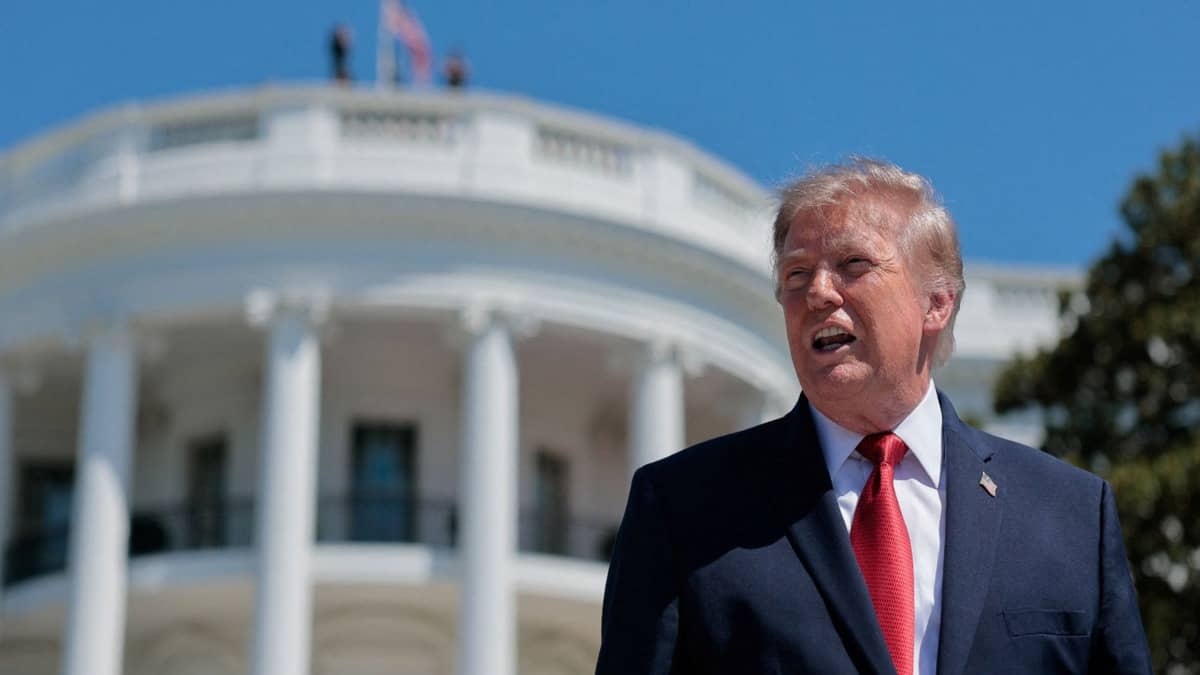
The United States and Israel have been fighting Iran for six months.
Donald Trump originally said the war would be short, but it has continued much longer.
Trump says Iran has been badly hurt and that the United States controls a blockade.
Now, his administration wants to use more economic punishment instead of relying mainly on bombs.
These punishments could target countries and companies that continue trading with Iran.
The war has cost the United States more than $37.5 billion.
Iran has made it harder for ships to use the Strait of Hormuz, an important route for oil and gas.
Some experts think Iran can keep resisting because it has dealt with sanctions before.
Other experts want the United States to increase pressure on Iran and its trading partners.

The U.S.-Israel war against Iran has reached six months, exceeding Donald Trump’s prediction of a conflict lasting weeks.
The administration is shifting emphasis from military action toward sanctions and economic pressure against Iran and its trading partners.
The prolonged war has cost the United States more than $37.5 billion and raised concerns about depleted munitions stockpiles.
Donald Trump says Iran’s leadership, military, economy, and oil exports have been severely damaged, while Iran retains leverage over Strait of Hormuz shipping.
Analysts disagree over whether intensified sanctions will force Tehran to yield, with one warning of Iranian resilience and another urging broader pressure.
- Who
- The United States, Israel, Iran, Donald Trump’s administration, and international mediators including Qatar and Pakistan.
- What
- A six-month U.S.-Israel war against Iran is continuing as the United States shifts toward sanctions and economic pressure.
- Where
- The conflict involves Iran, Israel, the United States, and the Strait of Hormuz; diplomatic efforts include Qatar, Pakistan, and Oman.
- When
- The conflict reached its six-month mark on Friday; related policy announcements were made during the same week.
- Why
- The administration says it wants to further weaken Iran and force an end to the conflict, while diminished munitions stockpiles are encouraging a greater reliance on sanctions.
Pressure skeptics
Pressure advocates
Will sanctions force Iran to yield?
Pressure skeptics
Geopolitical risk analyst Aarathi Krishnan says Iran has adapted to international sanctions for decades, using discounted oil and opaque shipping and financial networks, and that the administration has underestimated Iranian resolve.
Pressure advocates
Richard Goldberg argues that Iran is in uncharted waters and that the United States should close remaining trade channels through a naval blockade, air and land embargo, and penalties for entities providing Tehran with hard currency.
Military action or economic pressure?
Pressure skeptics
The administration is turning toward sanctions as concerns grow that prolonged military operations have reduced U.S. munitions stockpiles and could affect military readiness elsewhere.
Pressure advocates
Donald Trump maintains that the blockade and military campaign have devastated Iran’s leadership, armed forces, and economy, while Goldberg supports combining economic pressure with broader enforcement measures.
Diplomacy and negotiations
Pressure skeptics
Qatar and Pakistan continue pursuing a diplomatic off-ramp, including an Iran-Oman proposal intended to increase traffic through the Strait of Hormuz and revive talks on Iran’s nuclear program.
Pressure advocates
Donald Trump says he is not in a hurry to resume negotiations and has shown little interest in returning to a preliminary June deal after it collapsed when Iran began attacking ships.
Key facts
- Conflict duration
- Six months, despite Donald Trump’s earlier promise that it would last only weeks.
- U.S. cost
- More than $37.5 billion.
- Iranian damage claim
- Iranian officials say the country has suffered $270 billion in direct and indirect damage.
- Strait of Hormuz traffic
- Donald Trump said 24 vessels passed through in one day, compared with roughly 130 vessels daily before the war.
- New sanctions campaign
- Treasury Secretary Scott Bessent announced a campaign called Operation Economic Outcast.
- Banking action
- The Treasury Department said steps could eventually sever Banque Misr from the U.S. financial system.
- Iran’s largest trade partner
- China is described as Iran’s biggest trade partner and oil buyer.
Quotes
Aarathi Krishnan
Geopolitical risk analyst at RAKSHA Intelligence Future
“This administration has completely underestimated the Iranian resolve. This is not new to the Iranian regime.”
 republicworld.com
“We have control and we have the blockade. Iran is not getting anything. Nothing is going through.”
republicworld.com
Sources
Related news

Iran War's Six-Month Shift From Victory Claims to Economic Warfare
Trump Bets on Economic Pressure, 'Low-Keying It' Against Iran
Trump Says U.S. 'Low-Keying It' With Iran, Stresses Economic Pain
Trump says US 'low-keying' standoff with Iran, like chess

Trump Shifts Iran Strategy Amid Strait Of Hormuz Deadlock
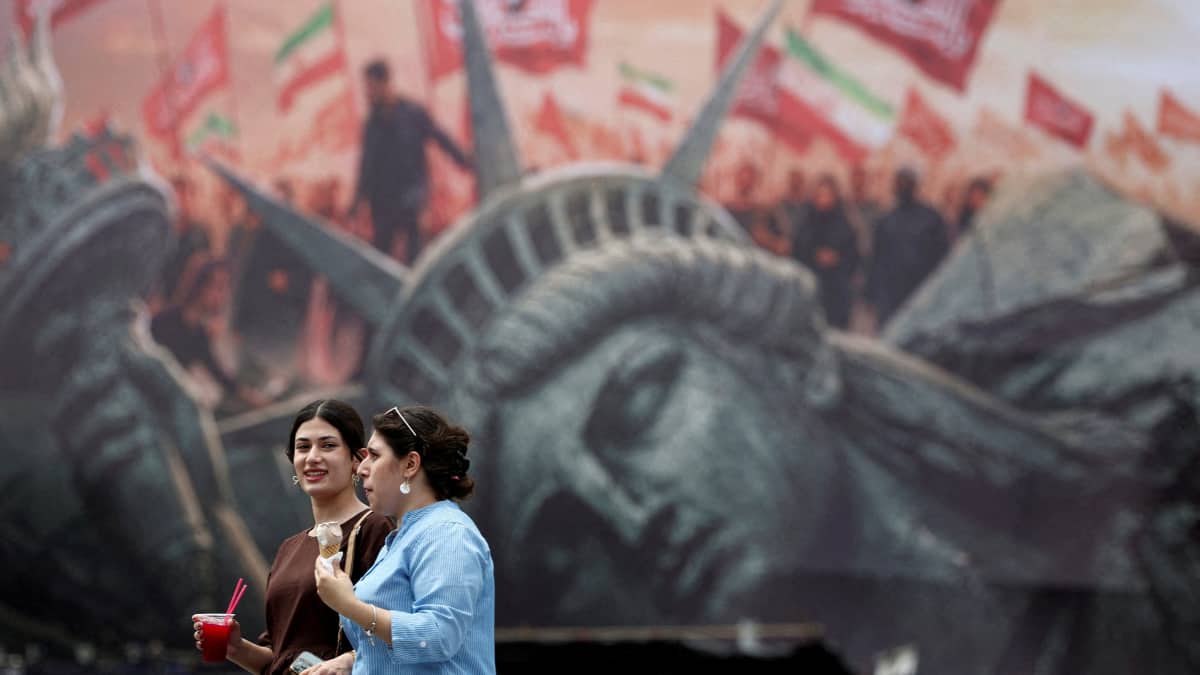
Six Months Into Iran War, No Winners and Global Costs

U.S.-Iran Exchange Escalates Across Middle East, Markets Slide
Trump Aides Seek Quiet Iran War Before Midterm Elections
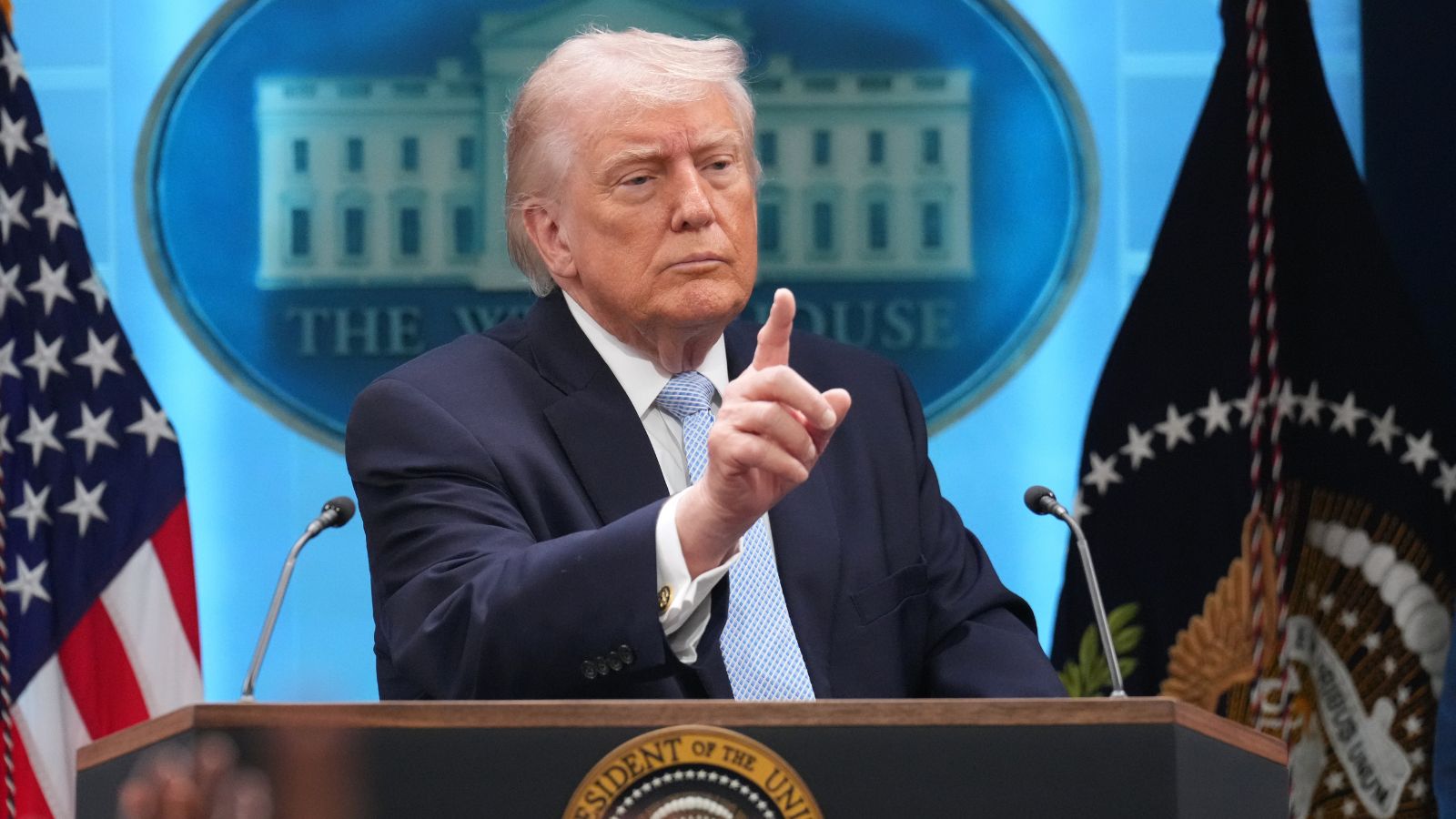
US Warns Middle East Travelers Amid Escalating Iran-Linked Tensions

Indian Stocks Slide as Oil, Conflict and Yields Rise

Silver Rate Today: Prices Fall 0.83% Across Indian Cities