3 days ago
India’s Gas Plants Stabilize Grid Amid Heat-Driven Power Demand

India had very hot weather in April and May 2026.
People used more air conditioners and cooling equipment, so the country needed much more electricity.
Electricity demand reached a record level in May.
Solar power helped during the day, but it could not produce electricity at night.
Gas-fired power plants were able to increase their output when demand was especially high.
This helped keep the electricity system stable.
The International Gas Union said hotter weather may create larger demand spikes in the future.
It also warned that India may need more planning and power capacity as air-conditioner use grows.

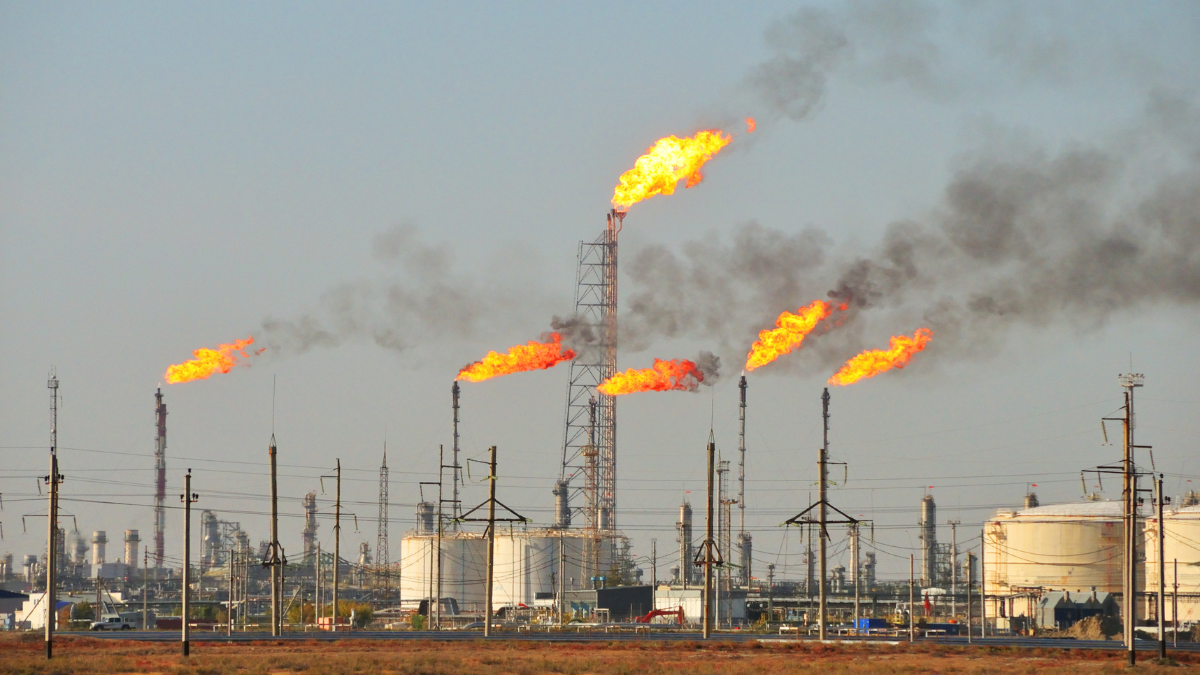
India’s gas-based power plants helped stabilize the grid during peak demand in April and May 2026 as heat waves increased cooling needs.
Peak power demand reached a record 270.82 gigawatts in May 2026, according to the International Gas Union.
Natural gas purchases by power plants on the Indian Gas Exchange rose about 340% year over year to 124.3 million cubic meters during April and May.
Gas plants supplied flexible electricity during evening and night hours when solar generation was unavailable.
The International Gas Union said rising temperatures and air-conditioner ownership create a long-term capacity-planning challenge for India and other Asian markets.
- Who
- India’s gas-based power plants, electricity consumers, and the International Gas Union were central to the developments.
- What
- Gas-fired power plants increased gas purchases and provided flexible electricity as heat waves drove record power demand.
- Where
- Across India, with gas purchases made on the Indian Gas Exchange.
- When
- During April and May 2026; the report was published on August 30, 2026.
- Why
- Severe heat increased cooling demand, especially during evening and night hours when solar generation was unavailable.
Key facts
- Gas-based capacity
- India had 20 gigawatts of gas-based power plants as of July 2026.
- Record peak demand
- Peak power demand reached 270.82 gigawatts in May 2026.
- Gas purchases
- Power plants purchased 124.3 million cubic meters of natural gas on the Indian Gas Exchange during April and May.
- Year-over-year increase
- Natural gas purchases rose by around 340% year over year.
- Temperature effect
- Each 1°C increase in outdoor temperature was associated with more than 7 gigawatts of additional peak demand in 2024, compared with around 4 gigawatts in 2019.
- Solar and gas roles
- Solar helped meet daytime demand, while gas plants supplied flexible power during evening and night hours.
- Future risk
- The International Gas Union said heat-driven demand could become more pronounced in 2026 if expected El Niño conditions develop.
Quotes
International Gas Union
Industry body cited for analysis of gas demand and power-system flexibility
“While solar helped meet daytime demand, natural gas-based plants provided flexible supply and supported grid stability during high demand evening and night hours when solar generation was unavailable. This shows how natural gas can provide short term flexibility when extreme heat pushes electricity demand above normal levels.”
 thehindubusinessline.com
“Peak demand during cooling seasons has become more sensitive to temperature as air-conditioner stock continues to grow. In India, each 1°C increase in outdoor temperature was associated with more than 7 GW of additional peak demand in 2024, up from around 4 GW in 2019.”
thehindubusinessline.com
Sources
Related news
India's August Power Demand Hits Record 258 GW Amid Heat
India’s Solar-Heavy Grid Needs Flexible Demand and Storage

Andhra Pradesh’s Heat Wave Drives Power Demand Up 20%
TGSPDCL Power Demand Soars to 10,839 MW Amid El Niño

India’s Power Demand Surges as Data Centres Expand Grid Needs
India's Solar Open Access Additions Hit Record 3GW in Q2

Nuvama names ACME Solar, NTPC, Power Grid top picks

Rajeev Thakkar: Market cap alone shouldn't decide stock investments

Rajeev Thakkar on Range-Bound Markets: What Investors Should Know