

1 hr ago
KDIGO 2026 Guideline Updates Anaemia Care for CKD Patients
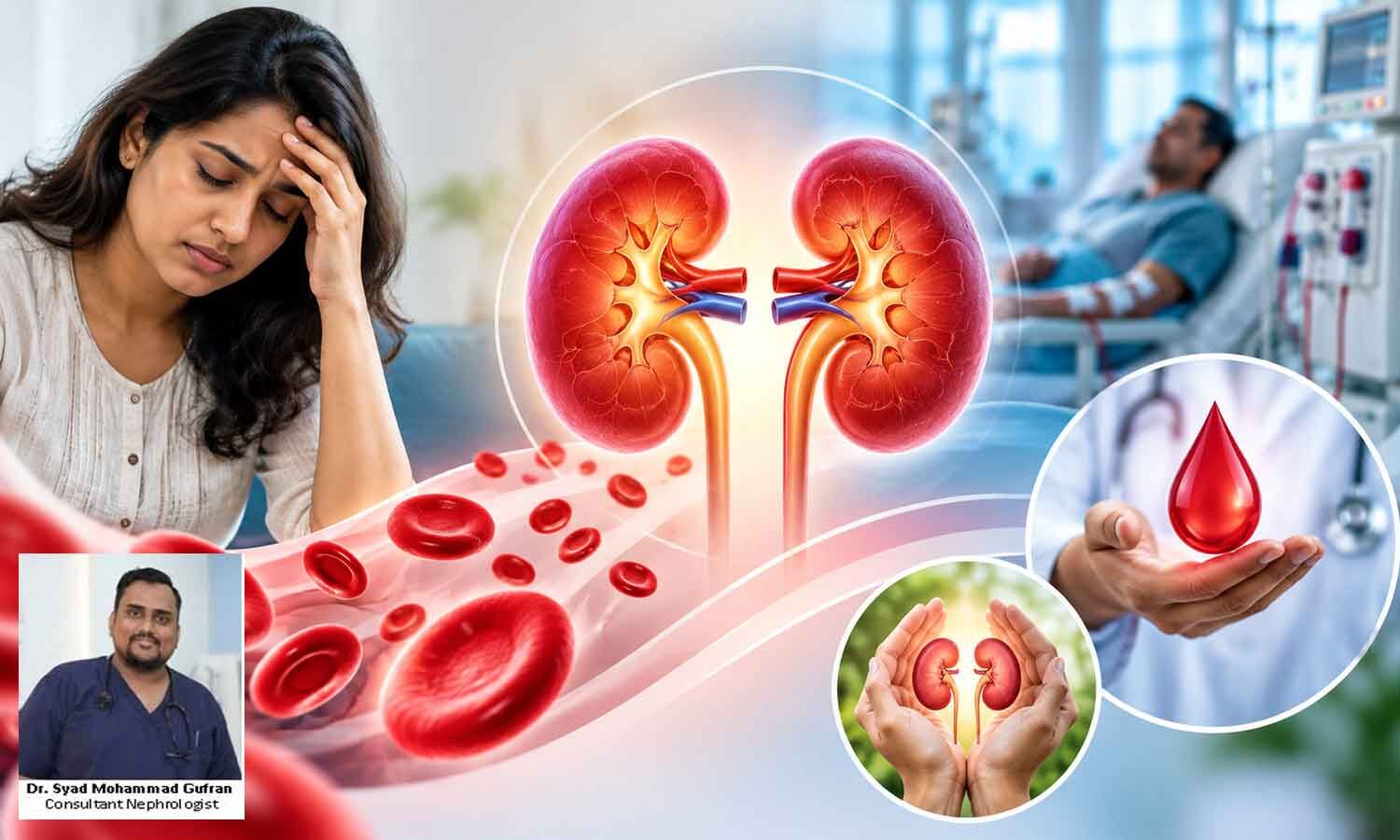
People with chronic kidney disease can develop anaemia, which means they do not have enough healthy red blood cells.
This can make them feel tired, weak or short of breath.
The kidneys normally make a hormone that helps create red blood cells, but damaged kidneys may make less of it.
Other causes, such as low iron, inflammation, blood loss or poor nutrition, can also contribute.
The new KDIGO guideline tells doctors to look for these causes before choosing treatment.
Some patients may need iron, EPO-type medicines or other therapies.
Doctors must balance treatment benefits with risks such as heart and blood-clot problems.
The guideline also gives special advice for people on dialysis and kidney-transplant recipients and encourages avoiding unnecessary blood transfusions.

KDIGO has published its 2026 Clinical Practice Guideline for Anaemia in CKD, replacing the 2012 guidance.
The guideline recommends evaluating iron deficiency, inflammation, blood loss, nutritional deficiencies and other reversible causes.
It updates guidance on oral and intravenous iron, erythropoiesis-stimulating agents and newer HIF-PHIs therapies.
Treatment should be individualised according to symptoms, co-existing illnesses, risks and patient preferences.
The guidance addresses dialysis and kidney-transplant patients while emphasising reduced unnecessary blood transfusions.
- Who
- Kidney Disease: Improving Global Outcomes (KDIGO), doctors and people with chronic kidney disease, including dialysis and kidney-transplant patients.
- What
- KDIGO published its 2026 Clinical Practice Guideline for Anaemia in CKD, updating recommendations for diagnosis and treatment.
- Where
- The article discusses care in Hyderabad and refers to CKD care generally, including dialysis and kidney-transplant settings.
- When
- The guideline was published in 2026 and updates the previous 2012 guideline.
- Why
- To incorporate more than a decade of evidence and improve individualised anaemia management, reduce avoidable transfusions and address reversible causes.
Key facts
- Guideline
- KDIGO 2026 Clinical Practice Guideline for Anaemia in CKD
- Previous guidance
- The updated guideline replaces the 2012 guideline.
- Treatments covered
- Oral and intravenous iron, erythropoiesis-stimulating agents and, where appropriate, HIF-PHIs.
- Patients covered
- People with CKD, including haemodialysis patients, peritoneal dialysis patients and kidney-transplant recipients.
- Important causes
- Iron deficiency, inflammation, blood loss, nutritional deficiencies and other medical conditions can contribute to anaemia.
- Treatment goal
- Improve symptoms and quality of life while balancing cardiovascular and thrombotic risks rather than simply normalising haemoglobin.
- Clinical caution
- Patients are advised not to start iron supplements or EPO injections without medical advice and appropriate blood tests.
Sources
Related news

New Guidelines Urge Kidney Tests for People With Heart Disease

New heart guidelines recommend kidney screening with two simple tests
Panel Urges Biannual Kidney Tests to Detect Silent Disease

Urban Anaemia Often Goes Undetected, Specialists Urge Early Screening

CARE Hospitals Performs Complex ABO-Incompatible Kidney Transplant on 60-Year-Old

90-Year-Old Survives Heart Attack After Emergency Angioplasty

Kidney Disease Can Stay Hidden, But Simple Tests Help

Mumbai Airport Chauffeur Dies by Suicide Amid Kidney Disease

Four Dead, 18 Hospitalised in Gujarat Spurious Liquor Case

Gujarat CM honours three hospitals for national organ donation awards
