

1 week ago
Kidney Disease Can Stay Hidden, But Simple Tests Help

Kidney disease can sometimes develop without making a person feel sick.
This means waiting for symptoms may not find it early.
High blood pressure can hurt the kidneys.
Kidney problems can also make high blood pressure harder to control.
Doctors can look for clues with simple checks.
These include a blood test, a urine test, and a blood-pressure check.
Finding kidney problems earlier may help doctors slow their progression.
People should discuss appropriate screening with a doctor.

Kidney disease can remain silent for years without obvious symptoms.
High blood pressure can damage the kidneys and may also result from kidney disease.
Kidney disease can make blood pressure more difficult to control.
Waiting for symptoms is not the best strategy for kidney-disease screening.
Blood, urine, and blood-pressure tests can provide clues and support earlier detection.
- Who
- People at risk of kidney disease, along with the doctors evaluating them.
- What
- The article explains how kidney disease may remain hidden and how simple tests can help detect it earlier.
- Where
- No specific location is given.
- When
- No specific date or screening schedule is given.
- Why
- Early identification may allow steps to slow kidney-disease progression, while high blood pressure can both damage the kidneys and be affected by kidney disease.
Key facts
- Condition
- Kidney disease
- Potentially silent
- Kidney disease can remain hidden for years.
- Important related factor
- High blood pressure
- Relationship
- High blood pressure can damage the kidneys, while kidney disease can make blood pressure harder to control.
- Blood test
- Can provide clues about possible kidney problems.
- Urine test
- Can provide clues about possible kidney problems.
- Blood-pressure check
- Can help identify possible kidney-related concerns.
Sources
Related news

Doctor Warns Against Ignoring Night-Time Urination and High BP

New heart guidelines recommend kidney screening with two simple tests

Parliamentary panel recommends mandatory kidney tests every six months

Warning Signs May Reveal Hidden Adrenal Tumour Conditions
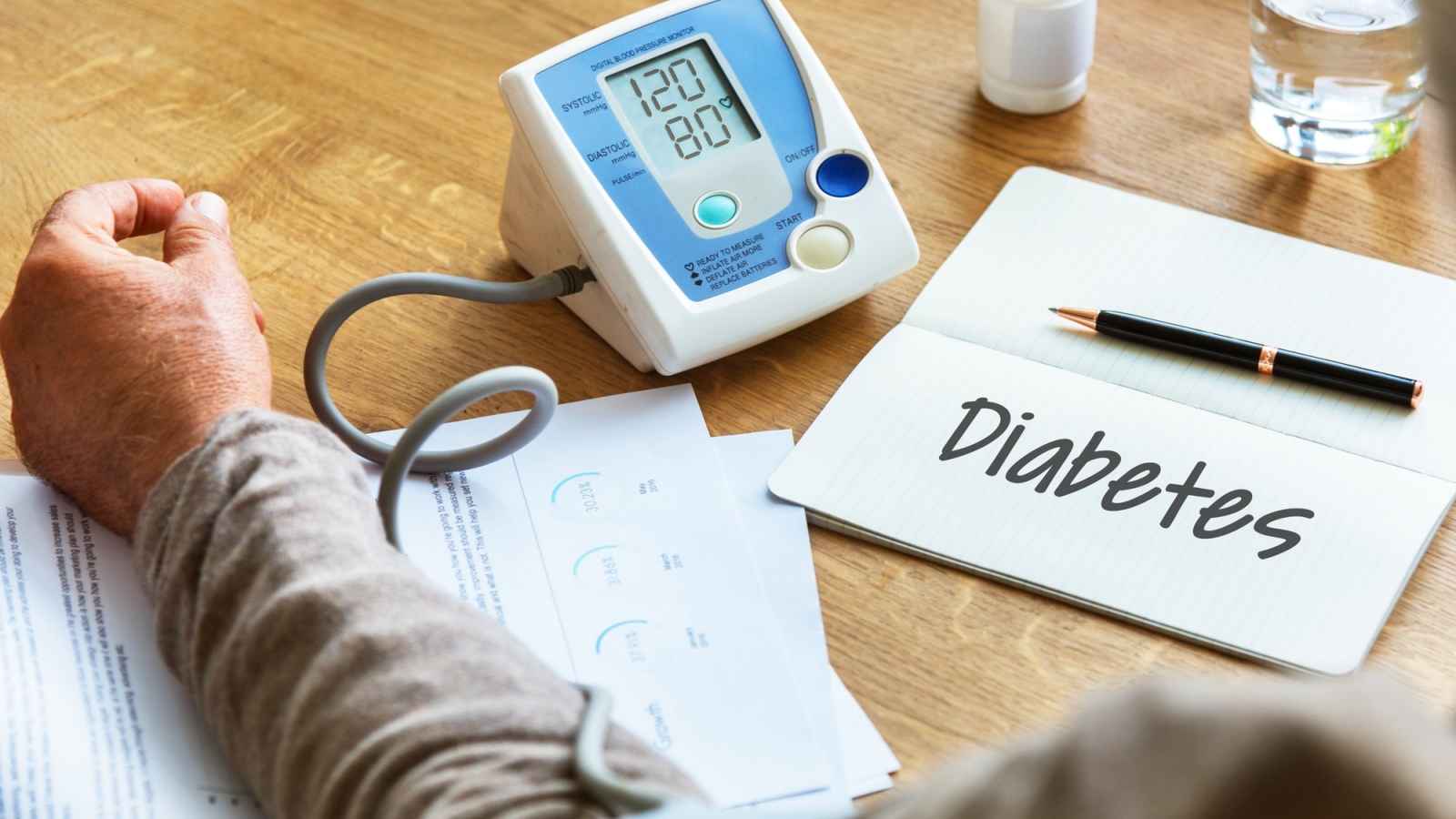
Endocrinologist Explains Link Between Diabetes and High Blood Pressure

Weekend habits damaging kidneys: 6 doctor-flagged mistakes

Mumbai Airport Chauffeur Dies by Suicide Amid Kidney Disease

Four Dead, 18 Hospitalised in Gujarat Spurious Liquor Case

Gujarat CM honours three hospitals for national organ donation awards
