23 hrs ago
Nepal Floods Kill 1,010 as 4,000 Remain Missing
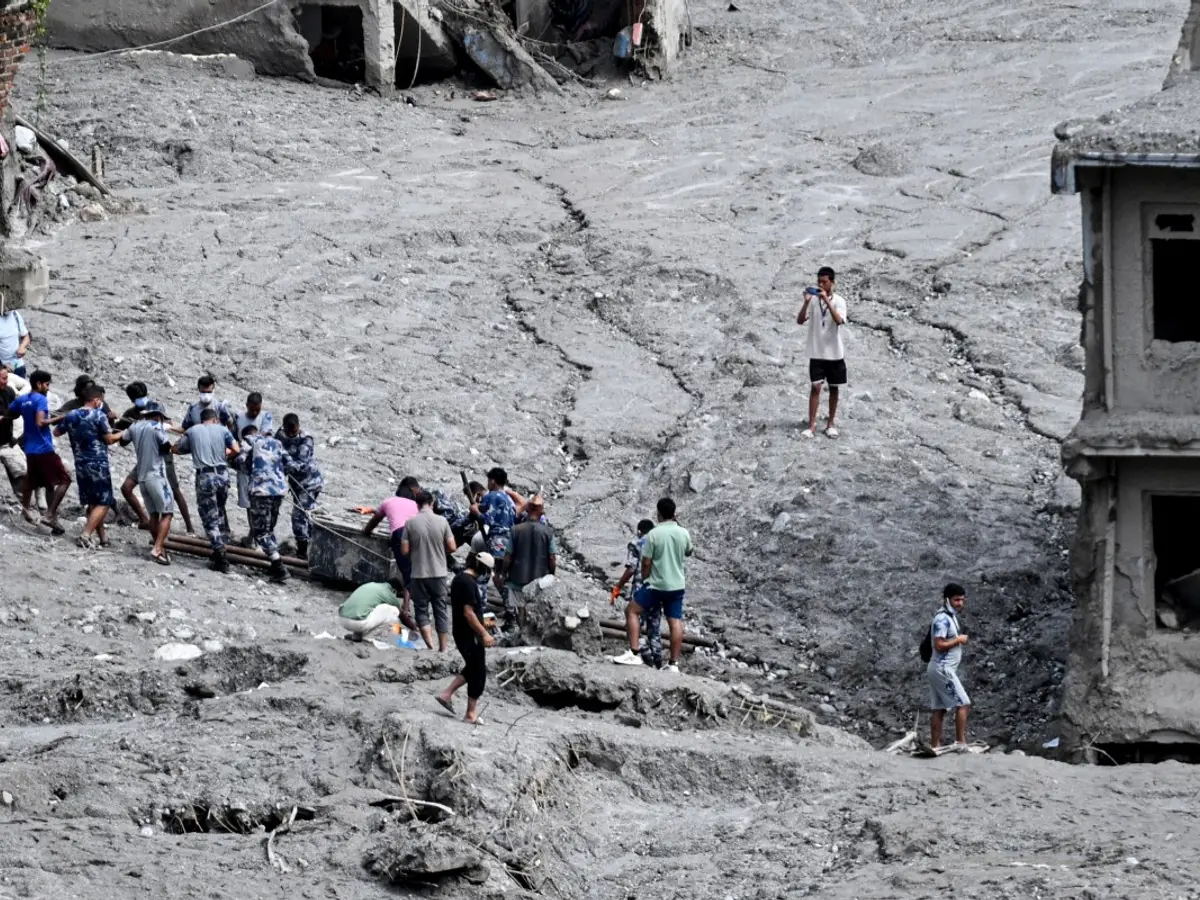
Severe flash floods hit parts of Nepal, causing many deaths and disappearances.
Officials say 1,010 people have died and 4,000 are still missing.
Rescue teams have saved 11,800 people.
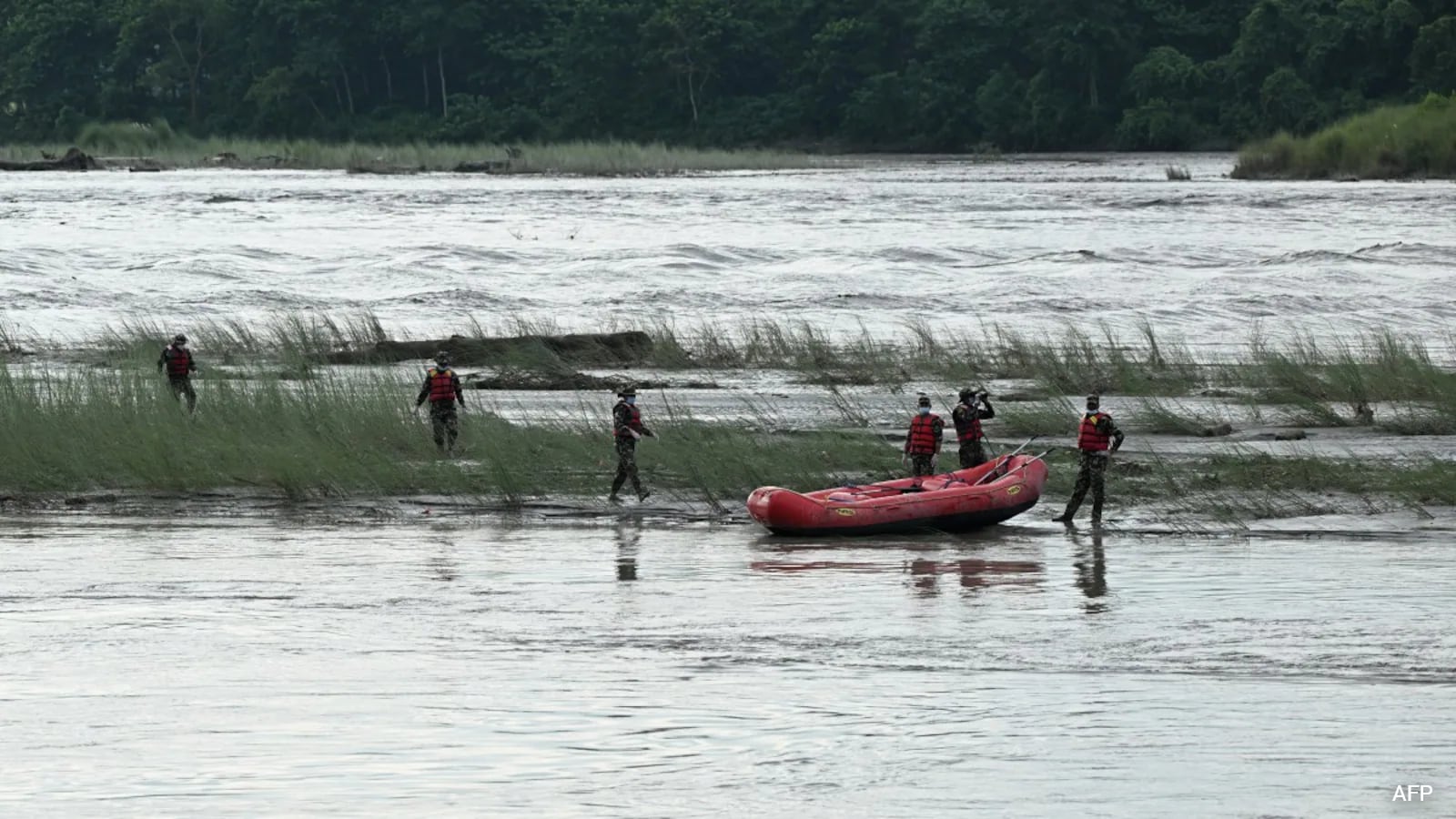
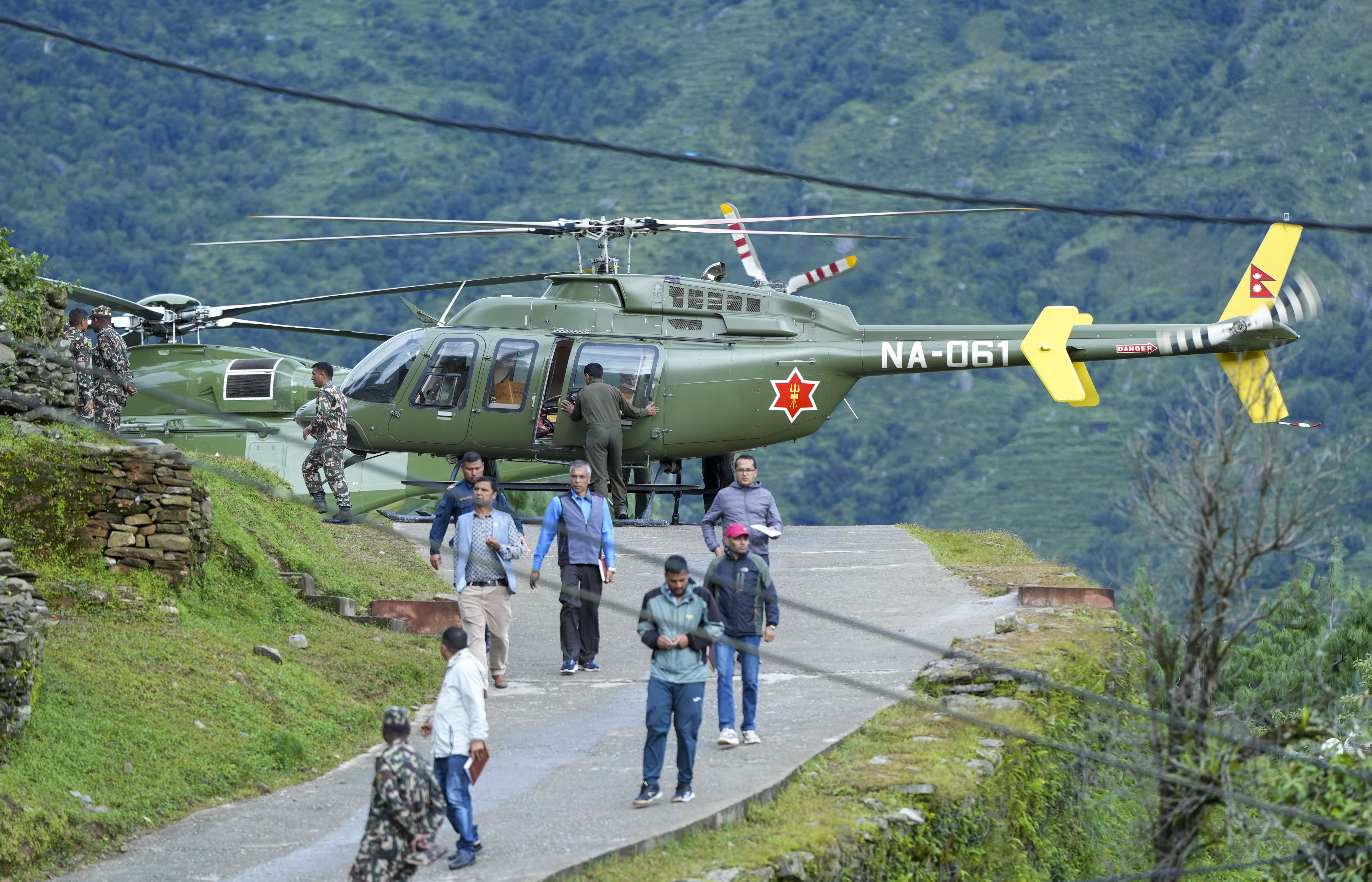
Thousands of army personnel are helping search damaged areas.
Some searches are taking place inside hydropower tunnels.
Many people are angry with Nepal’s government and China.
Nepal’s foreign minister says climate change helped cause the disaster.
He wants countries that produced large amounts of greenhouse gases to help pay for the damage.
Nepal says this support should be seen as a responsibility, not simply as charity.

Five days after flash floods struck Rasuwa and Nuwakot, Nepal reported 1,010 deaths and 4,000 missing people.
A total of 11,800 people have been rescued, including 279 from hydropower projects.
About 9,200 Nepalese Army personnel are deployed across affected areas, with searches intensifying along the Bhotekoshi-Trishuli corridor.
Public anger has focused on the Nepalese government and China over the disaster and response.
Foreign Minister Shisir Khanal said Nepal has formally sought climate compensation, calling assistance a moral liability rather than charity.
- Who
- People in Nepal, Nepalese rescue forces, and Foreign Minister Shisir Khanal are central to the response.
- What
- Flash floods have killed 1,010 people, left 4,000 missing, and prompted Nepal to seek international climate compensation.
- Where
- The floods affected Nepal’s Rasuwa and Nuwakot regions, including hydropower projects along the Bhotekoshi-Trishuli corridor.
- When
- The report was published five days after the flash floods struck.
- Why
- Khanal attributed the disaster to global climate change and said vulnerable countries should receive support from historically high greenhouse-gas emitters.
Nepal’s Government Position
Public Criticism
Responsibility for the disaster
Nepal’s Government Position
Foreign Minister Shisir Khanal said rapid glacier melting and catastrophic mountain floods are consequences of global climate change, and that major historical emitters should compensate vulnerable countries such as Nepal.
Public Criticism
People in Nepal are angry and have blamed the Nepalese government and China for the disaster and its consequences.
Nature of international assistance
Nepal’s Government Position
Nepal says post-disaster assistance should be treated as a moral liability rather than charity.
Public Criticism
The article does not provide a detailed response from China or other international partners to Nepal’s compensation request.
Key facts
- Reported deaths
- 1,010
- People missing
- 4,000
- People rescued
- 11,800
- Army personnel deployed
- Approximately 9,200
- Hydropower rescues
- 279 people were rescued alive from various projects, including 221 from Upper Trishuli-3A and 33 from Upper Trishuli-1.
- Climate compensation
- Nepal’s Finance Ministry dispatched a formal claim letter to international partners.
- Countries identified by Nepal
- Foreign Minister Shisir Khanal named the United States, China, and India as the three largest greenhouse-gas emitters and said they have historical responsibility.
Quotes
Shisir Khanal
Nepal’s foreign minister, speaking in an interview with Kantipur TV
“This is a matter of civilisational survival. If our Himalayan glaciers disappear, the water security of over two billion people in South Asia dependent on rivers like the Ganges and the Trishuli will be permanently compromised. We are advocating not just for Nepal, but for the survival of South Asian civilisation.”
 wionews.com
“We are paying the ultimate price for a global crisis we did not create. The rapid melting of glaciers and these catastrophic mountain tsunamis are direct consequences of global climate change.”
wionews.com
Sources
Related news

Nepal Seeks Climate Compensation After Deadly Floods

Glacial Collapse Floods Nepal and Tibet, Leaving Thousands Missing

Nepal PM Thanks India, China Amid Climate Compensation Demand
Nepal-China Glacier Collapse Leaves Hundreds Dead, Thousands Missing
United States Pledges Aid as Nepal Flood Death Toll Rises

Nepal-China Floods Leave Hundreds Dead and Thousands Missing

Nepal Thanks India as Glacial Disaster Rescue Efforts Continue
Nepal-Tibet Glacial Floods Kill 939 as Rescues Enter Day Six