2 hrs ago
Nepal's Climate Grievance Is Valid, But India's Liability Isn't
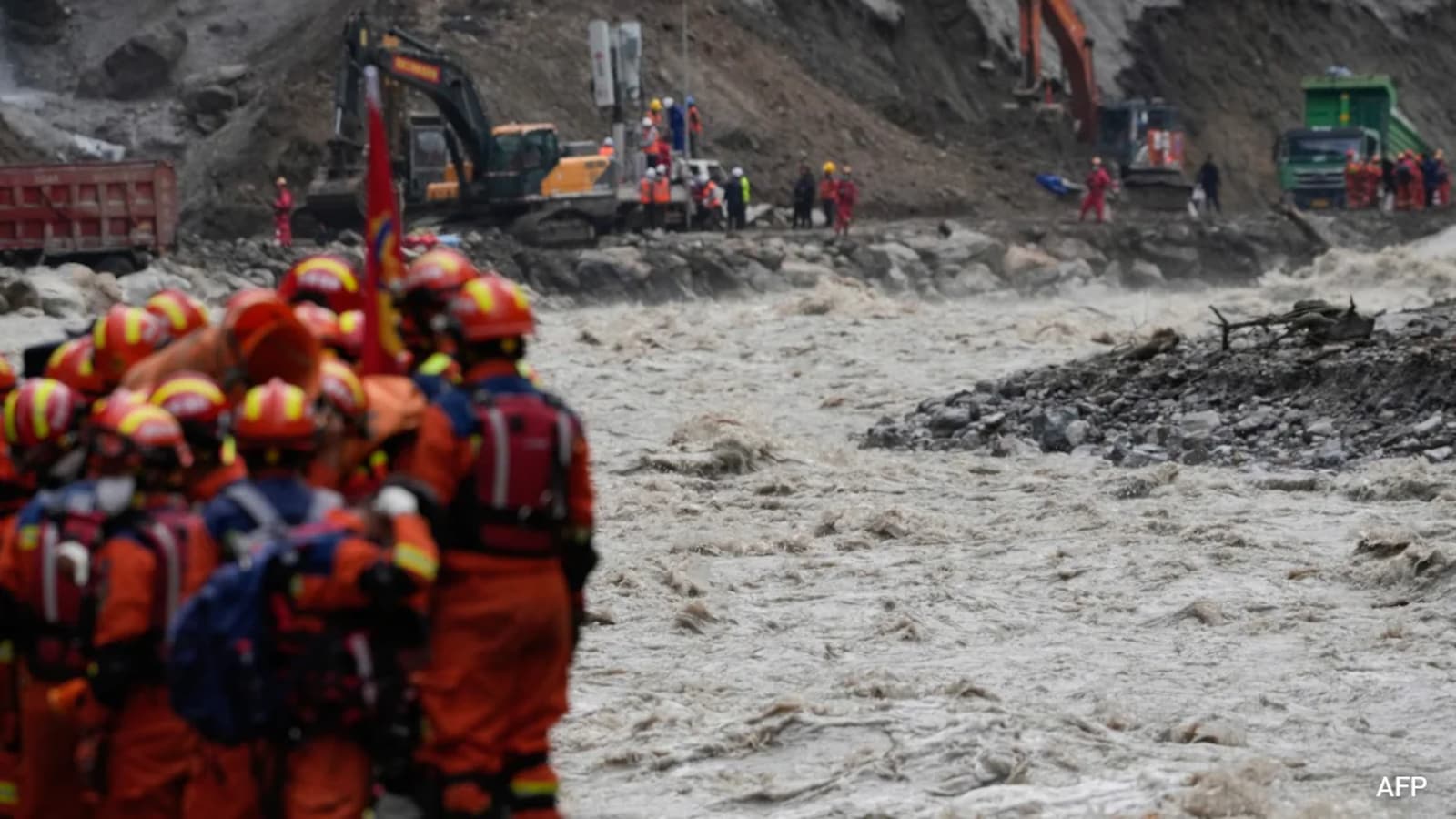
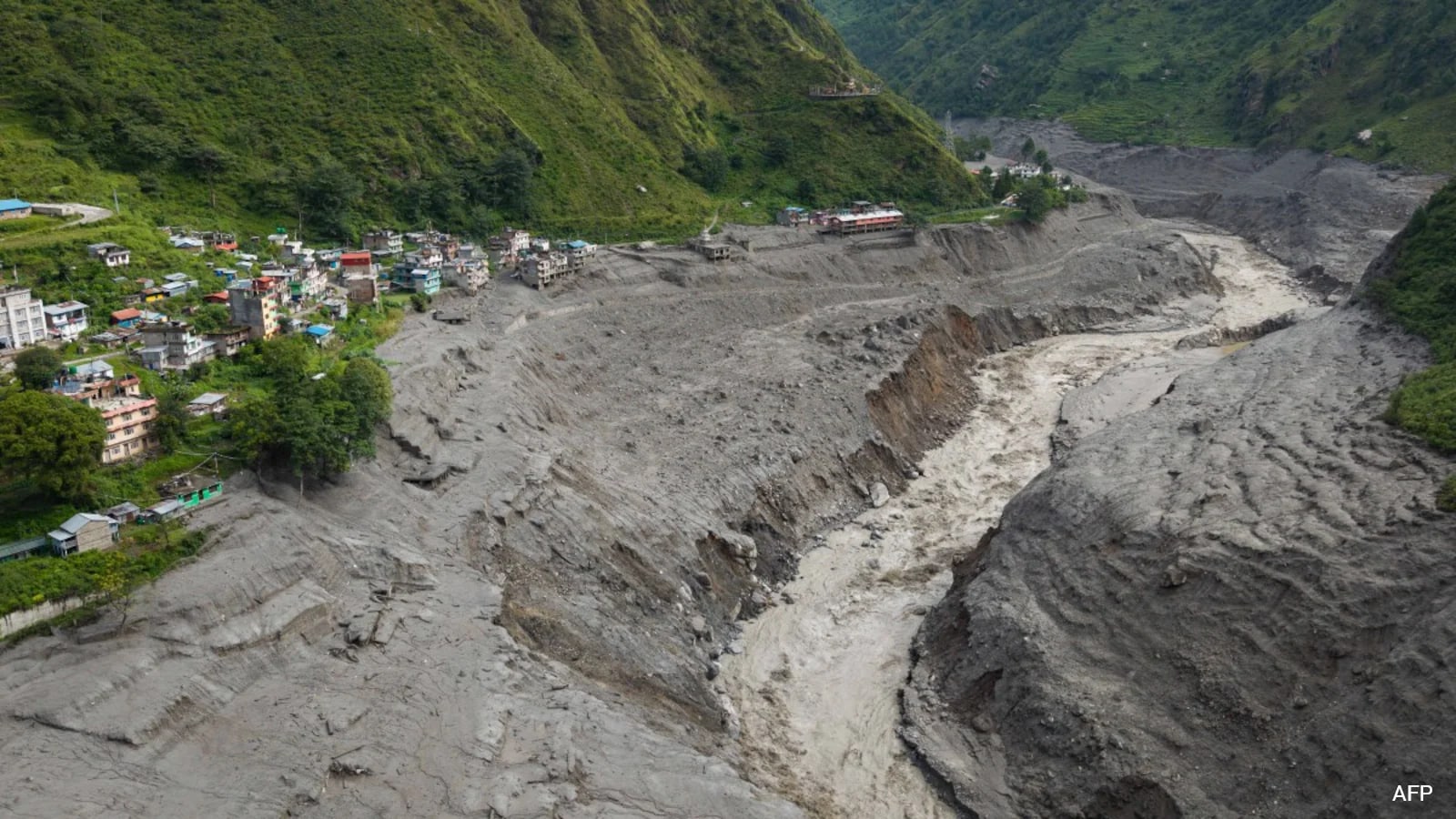
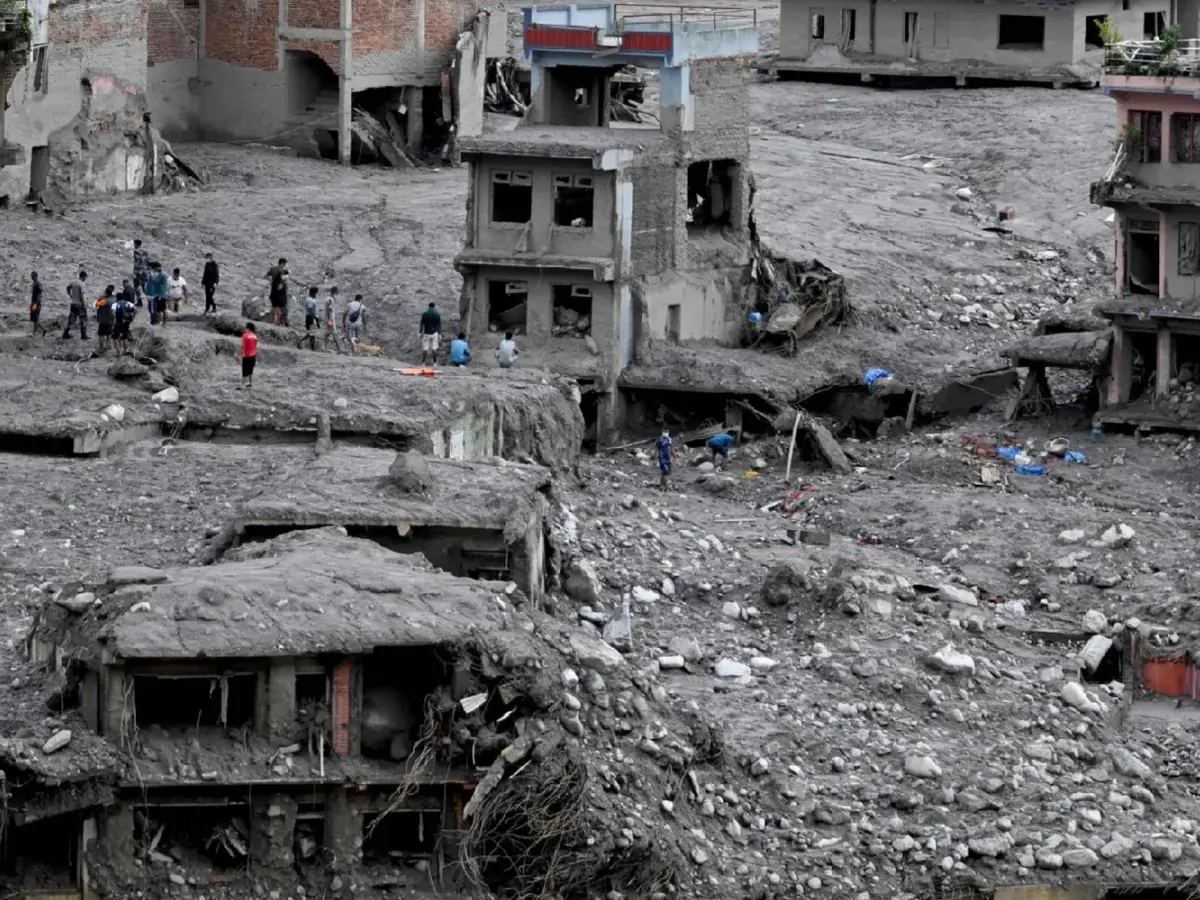
A major flood damaged parts of Nepal and hurt people, homes, roads, and other infrastructure.
Nepal says countries that produced much more pollution should help vulnerable nations recover.
Nepal has asked an international climate fund for urgent support.
Some Nepali officials also named India, China, and the United States as historically responsible.
The article agrees that Nepal needs help because it produces very little carbon pollution and is highly exposed to climate change.
However, it says Nepal has not shown that India legally caused this particular flood.
The flood’s exact trigger is still being investigated.
India could support Nepal’s funding request and share information about glaciers, slopes, and warnings.
The article says helping as a neighbour is different from admitting legal responsibility as a polluter.

Nepal has requested urgent support from the Fund for Responding to Loss and Damage after an August 26 flood.
Foreign Minister Shisir Khanal cited China, the United States, and India as historically responsible for compensating vulnerable countries.
The article says Nepal has a strong claim to multilateral climate finance but has not established Indian legal responsibility for the flood.
Nepal estimates rebuilding could cost USD 4–5 billion, while the loss-and-damage fund has set aside USD 342 million.
The article urges India to support Nepal and improve cross-border disaster-warning and climate-risk cooperation rather than accept liability.
- Who
- Nepal, its officials, and affected communities; the Fund for Responding to Loss and Damage; and India, China, and the United States as countries named by Nepal’s foreign minister.
- What
- Nepal is seeking climate-related loss-and-damage support after a destructive flood and has raised broader questions about historical responsibility and compensation.
- Where
- The flooding affected the Bhote Koshi and Trishuli river system in Nepal.
- When
- The flood occurred on August 26; the Fund for Responding to Loss and Damage is scheduled to consider requests in December 2026.
- Why
- Nepal is highly vulnerable to climate-related hazards despite contributing only a small share of global emissions, while the article says no specific unlawful Indian act has yet been linked to the flood.
Nepal’s Climate Justice Argument
India’s Legal Responsibility Argument
Who should provide support?
Nepal’s Climate Justice Argument
Nepal argues that countries with greater historical or current emissions, including India, China, and the United States, should help vulnerable countries facing climate damage.
India’s Legal Responsibility Argument
The article says the strongest route is multilateral climate finance through the Fund for Responding to Loss and Damage, whose access is based on vulnerability and need rather than assigning a debtor.
Does vulnerability establish liability?
Nepal’s Climate Justice Argument
Nepal’s low emissions and exposure to retreating glaciers, weakened slopes, and intense monsoons support its claim for international assistance.
India’s Legal Responsibility Argument
The article says vulnerability supports a claim for aid but does not by itself prove that India caused this flood or owes compensation.
What should India do?
Nepal’s Climate Justice Argument
Nepal’s position, as described in the article, calls for countries with historical responsibility to compensate vulnerable nations.
India’s Legal Responsibility Argument
The article urges India to support Nepal’s funding request, maintain practical cooperation, and share risk information without conceding legal liability.
Key facts
- Nepal’s annual fossil and industrial CO2 emissions
- About 0.05% of the global total.
- Nepal’s cumulative emissions since 1751
- About 0.01% of the global total.
- Nepal’s per-person emissions
- About 0.63 tonnes.
- Nepal’s rebuilding estimate
- USD 4–5 billion, according to Nepal’s finance minister.
- Fund financing set aside
- USD 342 million under the Fund for Responding to Loss and Damage’s start-up financing arrangements.
- Fund requests received
- 176 requests worth approximately USD 2.8 billion from 119 countries.
- Relevant legal distinction
- The Paris Agreement’s 2015 loss-and-damage provision says it does not establish a basis for liability or compensation.
Quotes

Balen Shah
Prime Minister of Nepal, who addressed climate responsibility in Parliament
“There is a global contribution behind climate change. And the responsibility to manage and minimise its effects also rests on the global community.”
 NDTV
NDTV
Sources
Related news

Nepal Seeks Climate Compensation After Deadly Floods
Nepal Floods Expose Climate Inequality and Himalayan Vulnerability
Nepal Floods Kill 1,010 as 4,000 Remain Missing

Nepal PM Thanks India, China Amid Climate Compensation Demand
Nepal Flood Death Toll Reaches 1,243 as Shah Seeks Justice
Nepal Seeks Climate Reparations While Facing Its Own Responsibility
US Withdraws from Climate Treaties