

1 day ago
Nepal Flood Death Toll Crosses 1,000 as Rescues Continue

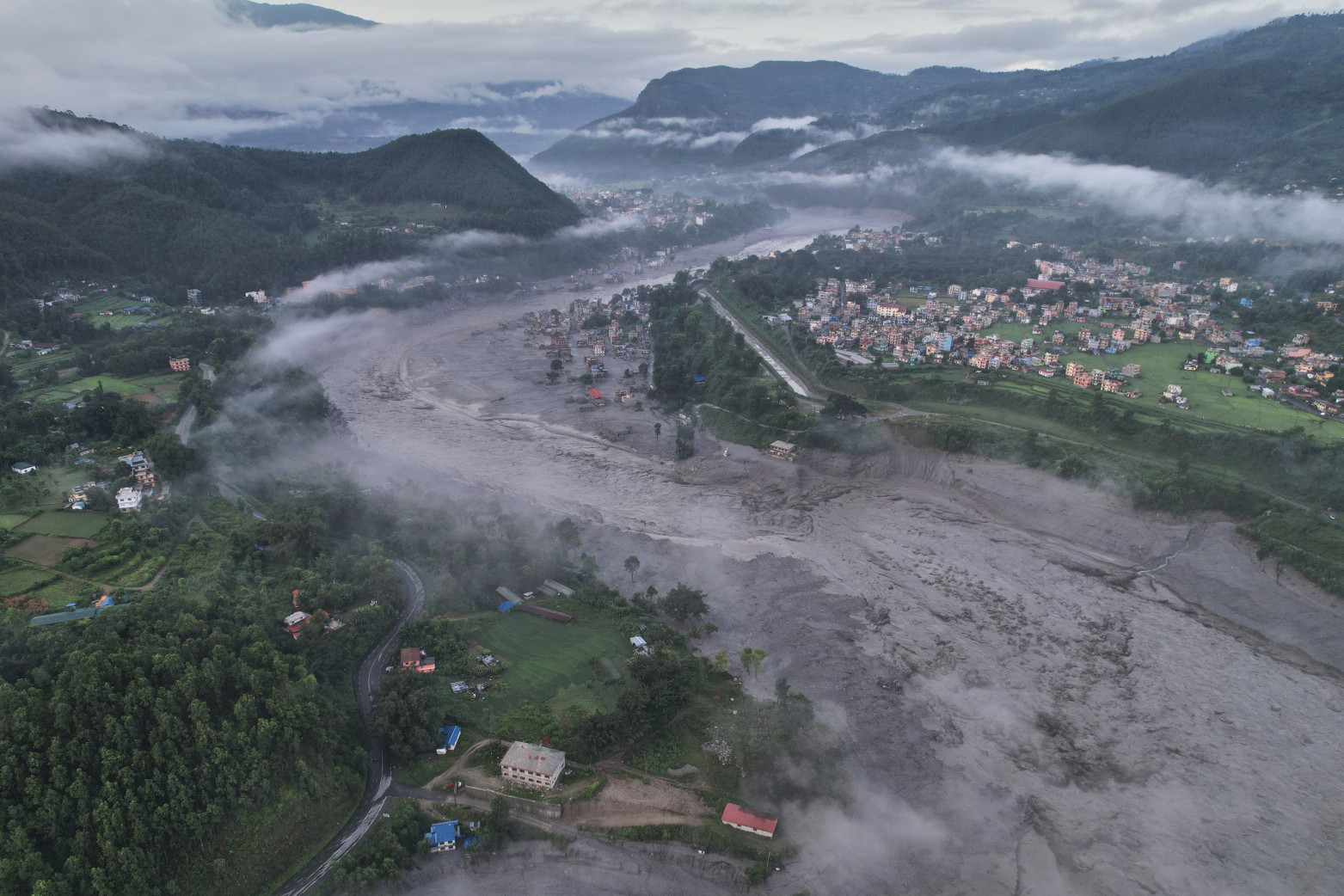
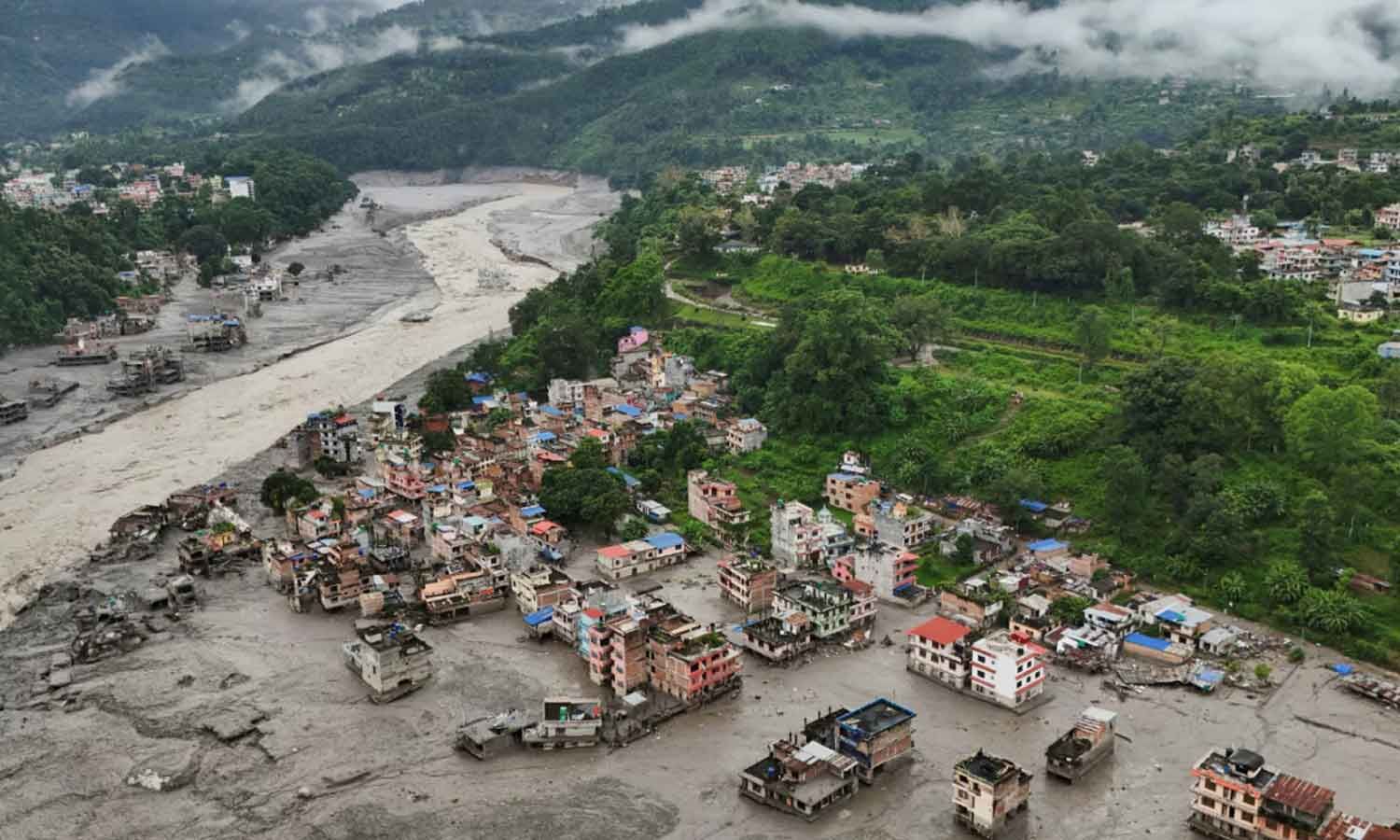
A glacier collapse sent ice, rocks, mud, and water rushing through parts of Nepal near China.
The floods and landslides destroyed homes, roads, bridges, and power facilities.
Reports said between 987 and 1,003 people had died, while about 4,000 were still missing.
More than 11,000 people were rescued.
Many workers were trapped inside tunnels at hydropower stations, so rescuers used excavators and other machines to reach them.
Teams also built temporary bridges and repaired roads to reach isolated communities.
Some electricity and communication services returned.
India, China, South Korea, and other countries sent help.
Nepal’s prime minister and Chinese state media linked the disaster’s risks or causes to glacier instability and global warming.

Nepal’s reported death toll ranged from 987 to 1,003 on September 1, while about 4,000 people remained missing.
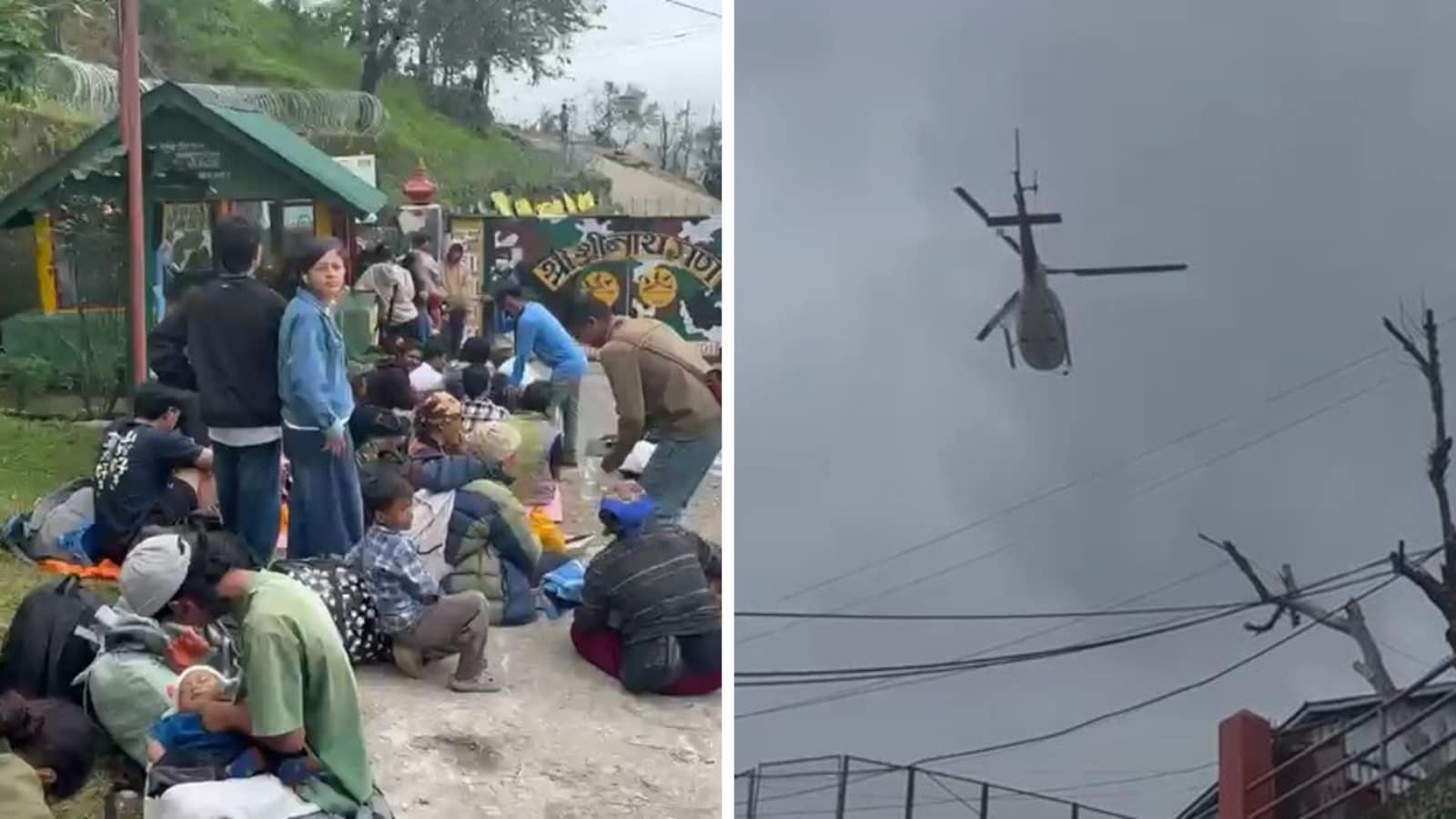
More than 11,000 people were rescued as teams used helicopters, heavy machinery, temporary bridges, and reopened roads.
Hydropower stations remained a major rescue focus, with 279 workers rescued and hundreds more reportedly trapped.
Power and communication lines were restored in some areas, while more than $42 million in aid reached Nepal.
India, China, South Korea, and other countries provided specialized rescue support, supplies, and equipment.
- Who
- Nepali rescuers, soldiers, police, government authorities, and support teams from India, China, and South Korea responded; Prime Minister Balendra Shah announced the latest figures.
- What
- Flash floods and landslides triggered by a glacier-related rush of ice, rock, and mud killed hundreds, left thousands missing, and trapped workers at hydropower projects.
- Where
- The worst-affected areas included Nepal’s Rasuwa and Nuwakot districts and other affected districts, as well as China’s Tibet region.
- When
- The disaster began with an ice-rock avalanche or glacier collapse on August 26; updated rescue figures were reported on September 1, 2026.
- Why
- A glacier collapse or instability triggered the flooding; Prime Minister Shah described it as part of growing climate-related risks, while China’s state broadcaster attributed it to glacier instability linked to long-term global warming.
Climate-risk emphasis
Immediate-trigger emphasis
Cause and responsibility
Climate-risk emphasis
Prime Minister Balendra Shah said the disaster highlighted growing Himalayan risks associated with climate change and called for greater international attention.
Immediate-trigger emphasis
China’s state broadcaster described the immediate cause as glacier instability under the long-term effects of global warming, while the reports also identified the glacier collapse or ice-rock avalanche as the direct trigger.
Role of foreign assistance
Climate-risk emphasis
Nepal initially declined general foreign search-and-rescue involvement and emphasized that its own teams were leading operations.
Immediate-trigger emphasis
Nepal later sought specialized services and advanced equipment, with India, China, South Korea, and other countries contributing rescue teams, supplies, and technology.
Key facts
- Reported Nepal death toll
- Articles reported totals of 987 and 1,003 deaths, reflecting different updates.
- People missing
- About 4,000 people remained missing; one report specified 3,916, including 583 foreign nationals.
- People rescued
- More than 11,000 people were rescued across the affected region.
- Hydropower rescue
- At least 279 workers had been rescued, while estimates of those still trapped ranged from about 600 to nearly 1,000.
- Response infrastructure
- Temporary bridges and reopened roads helped reach isolated areas; electricity and communication lines were restored in some locations.
- International aid
- More than $42 million in aid had reached Nepal.
- Tibet impact
- The Tibetan provincial government reported 16 deaths and 546 missing in China’s Tibet region.
Quotes
Rasuwa district survivor
A survivor who walked from Rasuwa to Nuwakot
“The region must therefore remain vigilant. The time has come for us to strongly raise before the international community the disasters we are experiencing as a consequence of climate change.”
 theprint.in
“The government understands the immense pain they are enduring. The path ahead is to support them through this suffering and help them return to normal life through rehabilitation.”
 telegraphindia.com
Sources
Nepal rescuers reach remote areas, electricity restored nearly a week after devastating floods
Nepal flood death toll crosses 1,000, rescuers reach remote areas
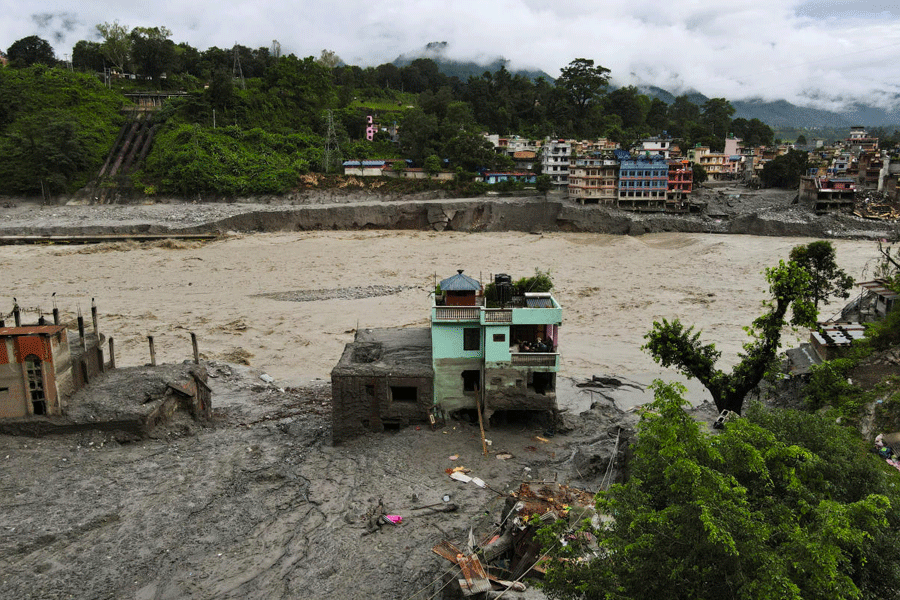
Nepal flood death toll rises to 987, rescuers reach remote areas, power restored
Nepal rescuers reach remote areas in search of thousands missing nearly a week after devastating floods
Related news
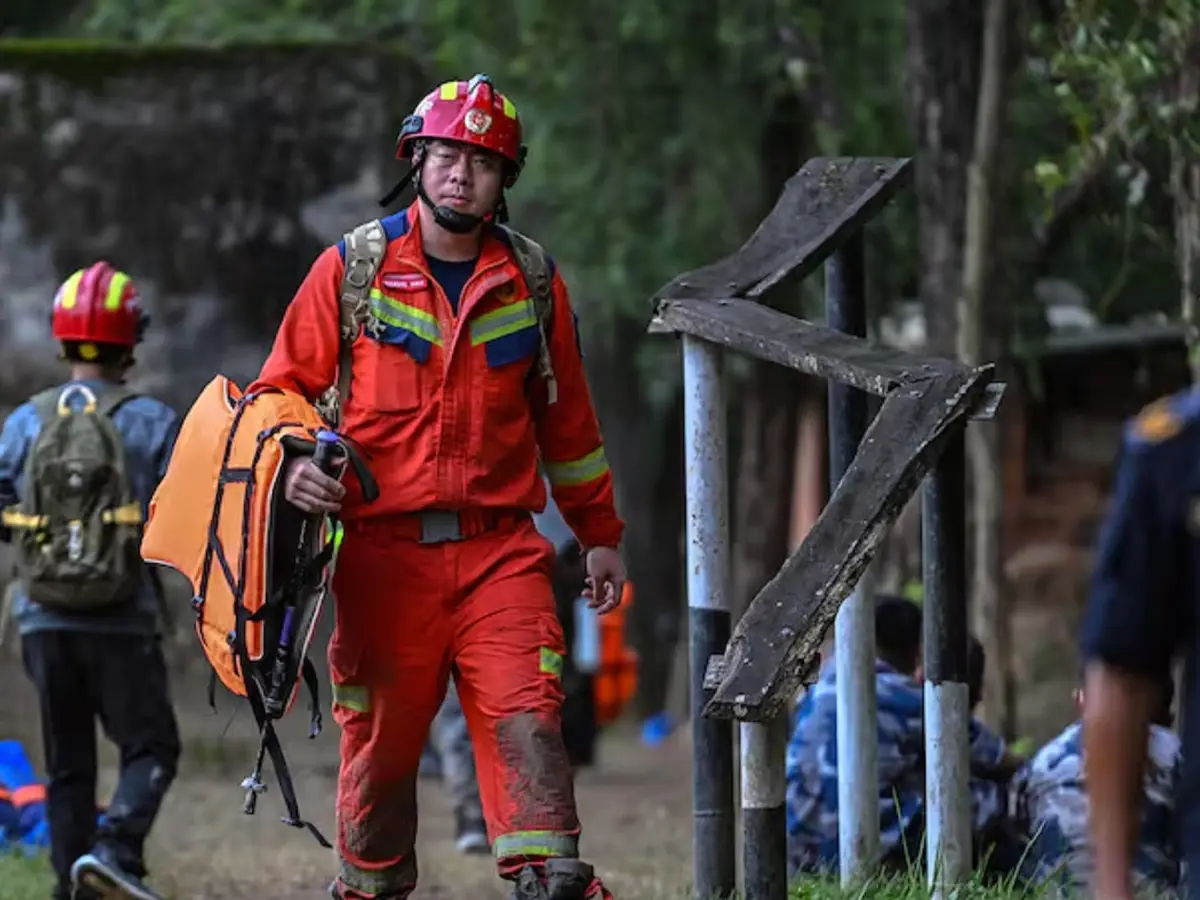
Nepal Floods Leave 933 Hydropower Workers Missing in Tunnels
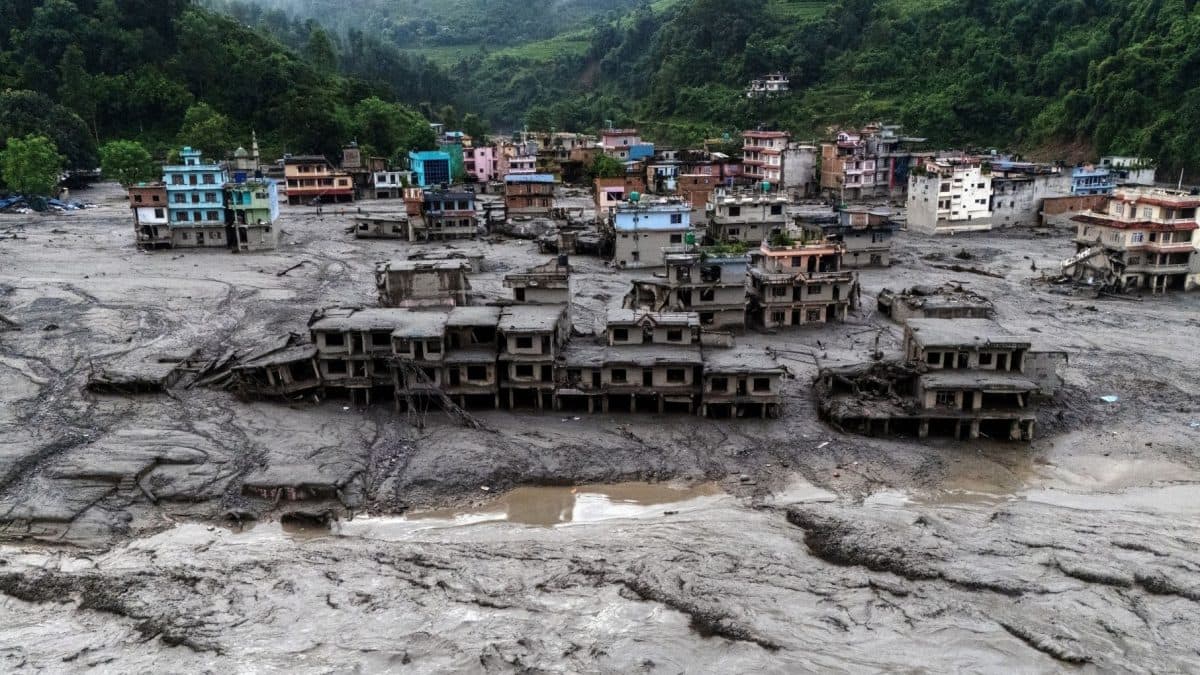
Nepal Flood Death Toll Reaches 955 as Tunnel Searches Continue
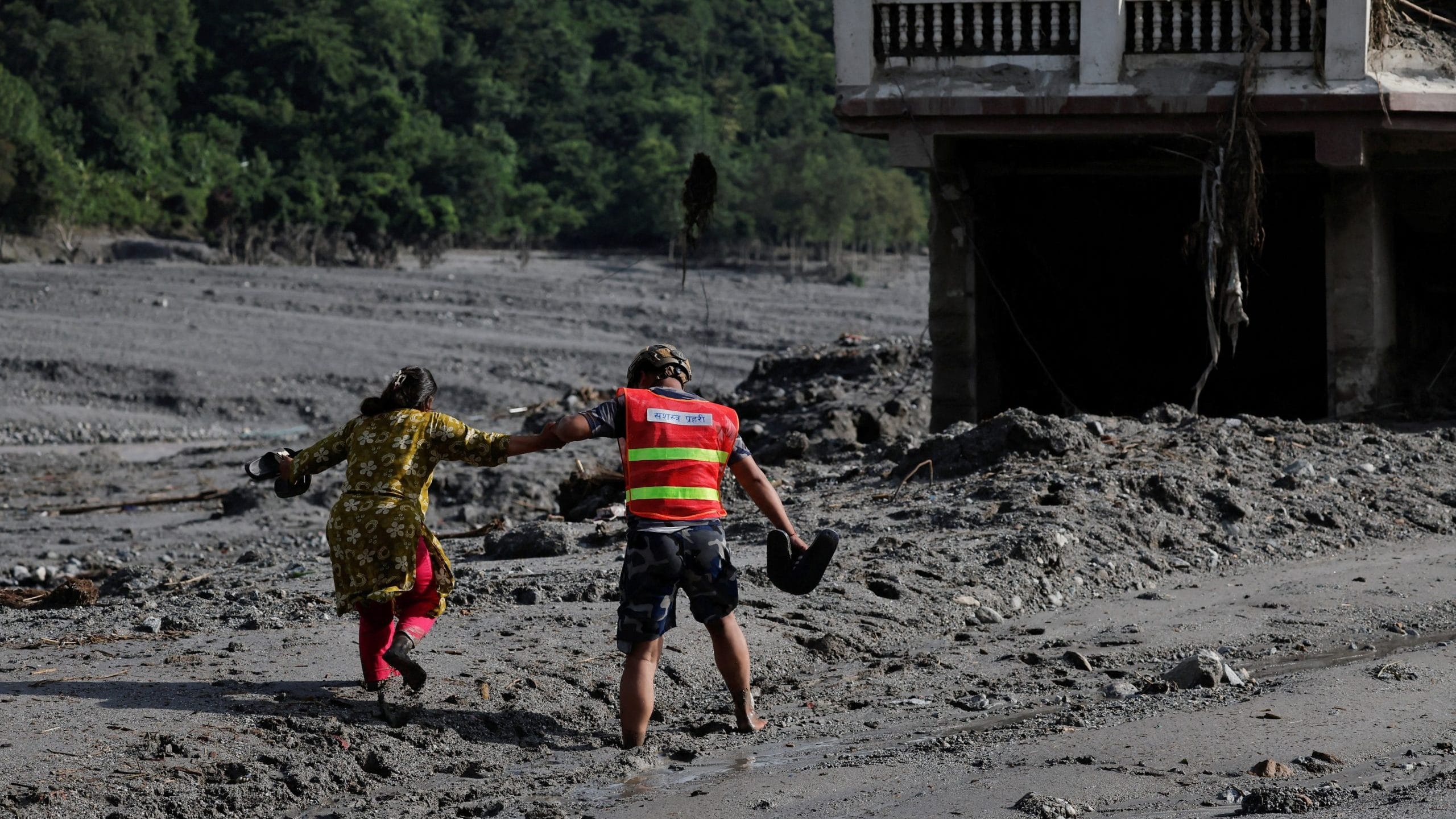
Nepal Flood Toll Rises as Rescue Teams Face More Flooding
Nepal Flood Death Toll Reaches 675 as Thousands Remain Missing
Nepal Flood Toll Reaches 903 as Thousands Remain Missing

Nepal Flood Death Toll Reaches 1,127 as Survivor Hopes Fade
Sonu Sood Takes Flood Relief To Devastated Nepal Villages
Nepal’s Drones Carry Bodies, Aid During Devastating Floods
Nepal Army Choppers Rescue Flood Victims

Nepal Reports 1.6 Million Affected by Bhotekoshi Floods

Teacher Warning Saves 400 Students as Nepal Flood Devastates School
