2 hrs ago
India’s BRICS Summit Pushes Cooperation, Reform, and Global South Voice
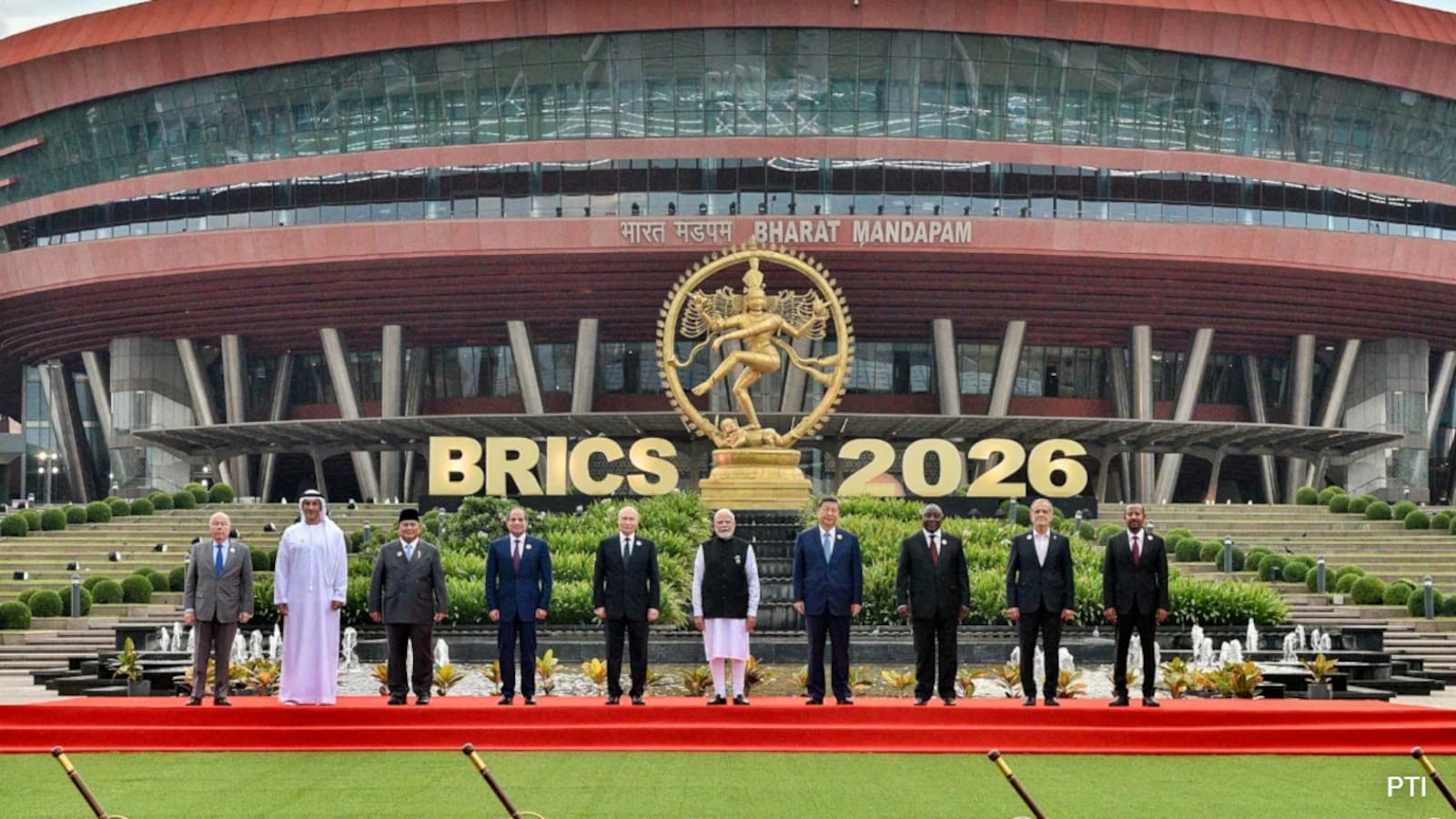
The article says India helped BRICS countries agree on a shared plan.
This happened at the BRICS meeting held under India’s leadership.
The countries discussed wars, trade, technology, food, health, and clean energy.
They called for less fighting and more diplomacy in West Asia.
They also wanted developing countries to have a stronger voice in global institutions.
BRICS plans to make it easier for members to trade using their own currencies.
India also discussed trade, security, and peace with Russia, China, and Iran.
The author says BRICS is trying to improve the existing world system, not destroy it.
The article describes India’s approach as practical, balanced, and focused on cooperation.

India’s chairship produced a consensus New Delhi Declaration at the 18th BRICS Summit on September 12, 2026.
The declaration addressed the West Asia crisis, opposing attacks on civilians and nuclear facilities while calling for restraint, diplomacy, and respect for international law.
BRICS members backed initiatives involving food security, digital infrastructure, artificial intelligence, clean energy, public health, and developing-country innovation.
The declaration supported expanded global governance, including permanent Security Council seats for India and Brazil and greater developing-country influence at the IMF.
Prime Minister Narendra Modi held more than 15 bilateral meetings, including talks with the leaders of Russia, China, and Iran, while the article presented BRICS as a reform-oriented rather than anti-Western grouping.
- Who
- India, the BRICS member states, and Prime Minister Narendra Modi were central participants; the summit also involved leaders including Vladimir Putin, Xi Jinping, and Masoud Pezeshkian.
- What
- The 18th BRICS Summit adopted the New Delhi Declaration, covering global governance reform, West Asia, trade, finance, technology, development, and sustainability.
- Where
- The summit was held under India’s chairship in New Delhi, with additional bilateral meetings held on its sidelines.
- When
- The declaration was adopted on September 12, 2026, after a BRICS Foreign Ministers meeting in May 2026 failed to reach consensus.
- Why
- The article says India sought to build consensus, strengthen the Global South’s voice, and promote practical cooperation and reform of international institutions.
BRICS as Reform Platform
BRICS as Anti-Western Bloc
Purpose of the grouping
BRICS as Reform Platform
The article argues that BRICS seeks to reform existing international institutions, give the Global South a fairer voice, and cooperate with external partners.
BRICS as Anti-Western Bloc
The article identifies a competing characterization of BRICS as an anti-Western coalition seeking to replace the existing global order, but argues that the summit’s declaration does not support this view.
Approach to global politics
BRICS as Reform Platform
India’s approach emphasized strategic autonomy, consensus-building, diplomacy, and practical development initiatives rather than Cold War-style bloc politics.
BRICS as Anti-Western Bloc
Critics may interpret BRICS opposition to unilateral sanctions, tariffs, and other economic restrictions as evidence of confrontation with Western powers; the article says this criticism has come mainly from United States President Donald Trump and some U.S. policy circles.
Key facts
- Summit
- 18th BRICS Summit
- Declaration
- New Delhi Declaration: “Building for Resilience, Innovation, Cooperation and Sustainability”
- Adoption date
- September 12, 2026
- Trade finance
- BRICS Payment Task Force framework for local-currency settlements and financial messaging
- Global governance
- Support for permanent Security Council seats for India and Brazil
- Bilateral diplomacy
- Narendra Modi held more than 15 structured bilateral meetings
- Currency policy
- The declaration did not propose a new BRICS currency or an explicit de-dollarization effort
Sources
Related news
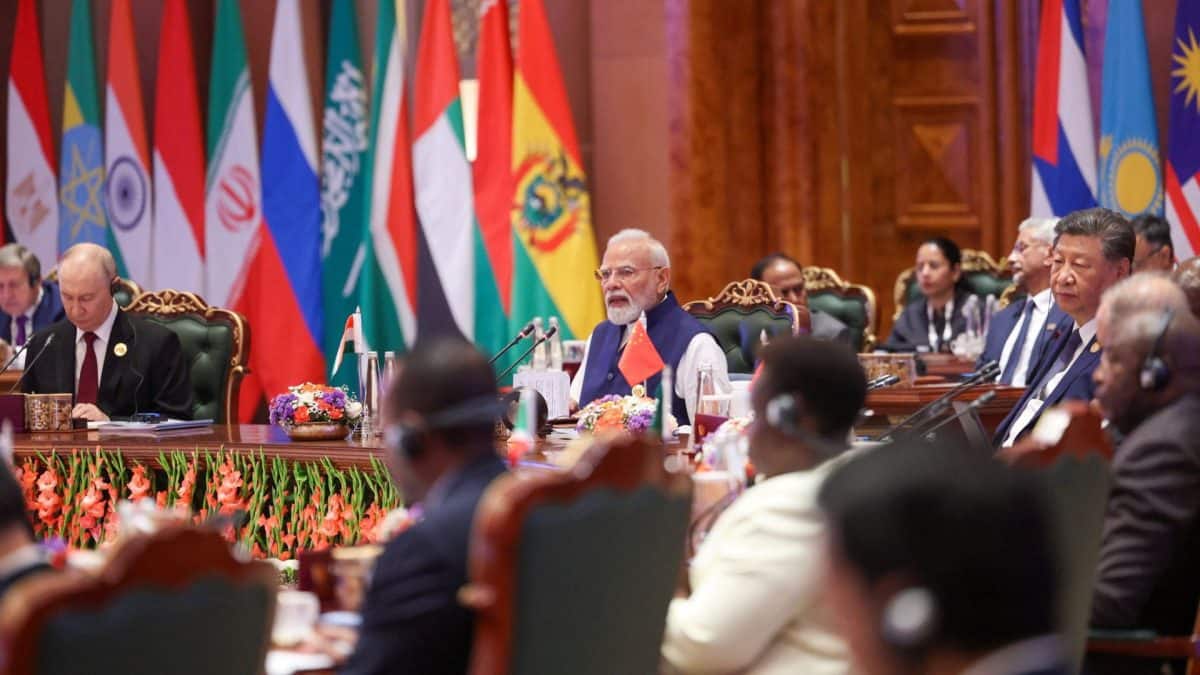
India Uses 2026 BRICS Summit to Advance Global South Cooperation
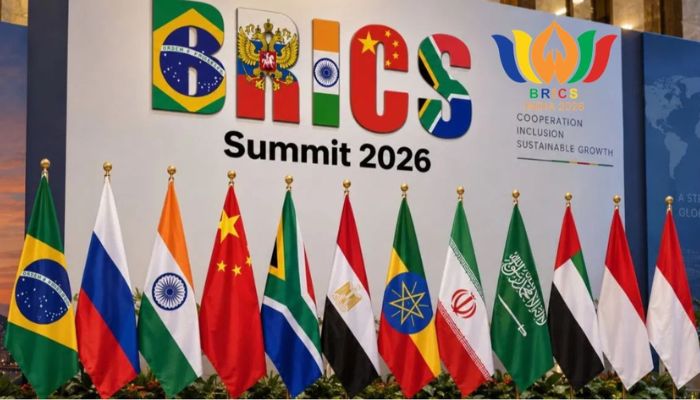
BRICS Adopts New Delhi Declaration Amid Global Divisions
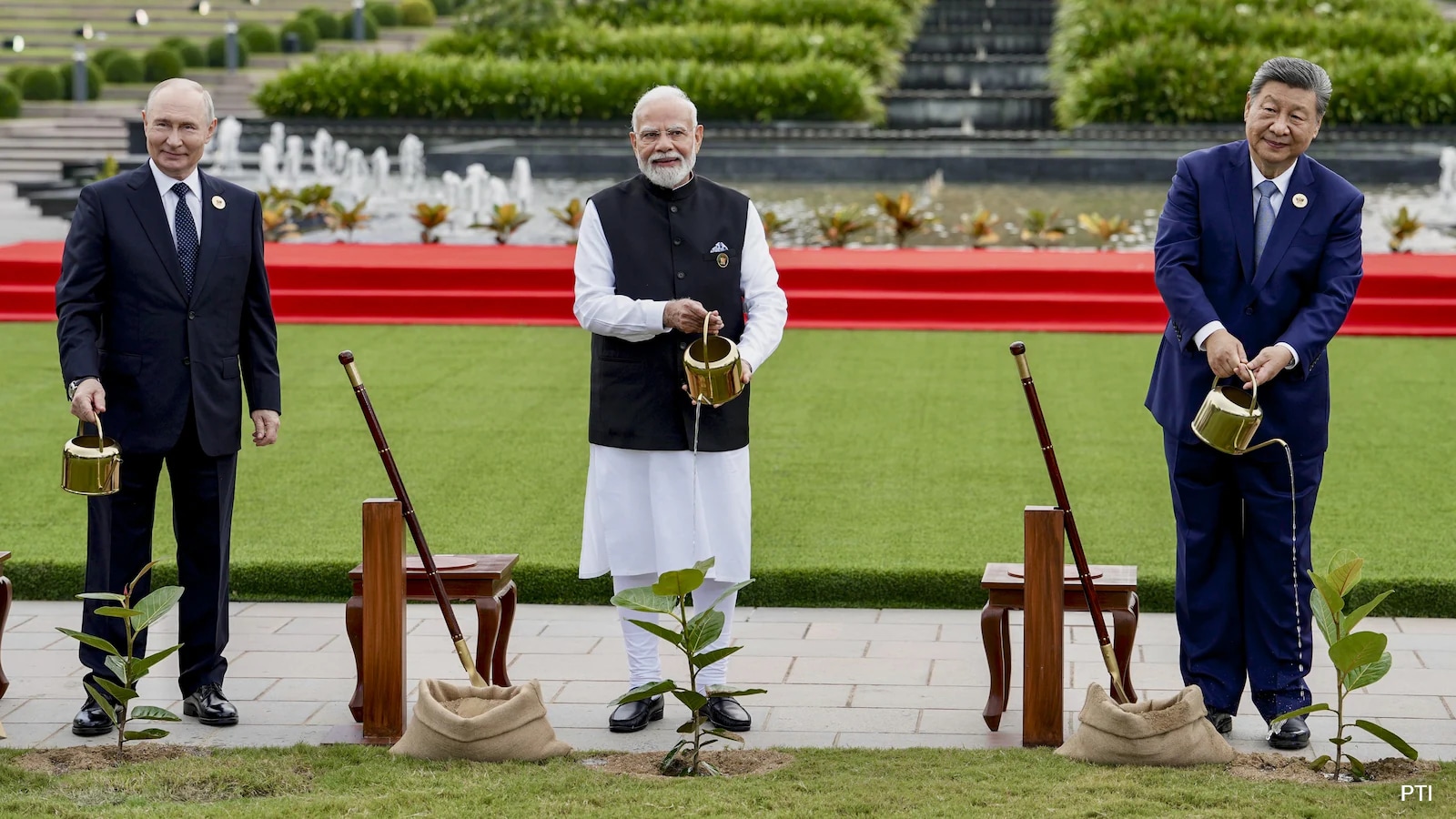
BRICS Summit Reaches Consensus Amid Global Tensions
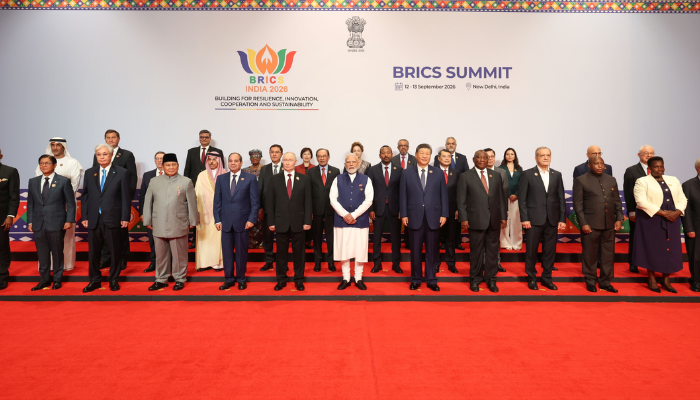
India’s BRICS Summit Wins Consensus Amid Global Divisions

BRICS Summit Adopts New Delhi Declaration After Overnight Consensus

Congress Calls New UPI Merchant Charges ‘Modi Tax’
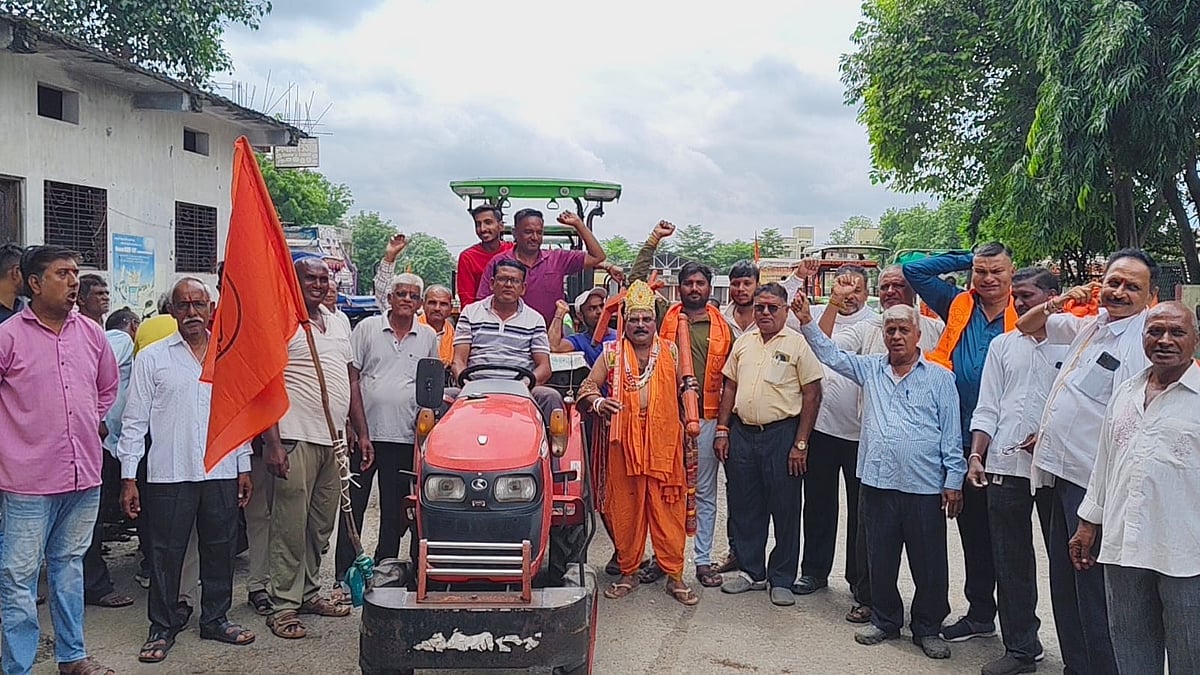
Madhya Pradesh Farmers Rally for GST Relief, Better Crop Prices
Government Sets UPI Merchant Fee Above ₹2,000
Khadse Calls for Stronger Mizoram Sports Infrastructure and Support
Bike rallies from Modi’s birthplace to Varanasi begin September 17