1 hr ago
ICMR Chief Warns Dengue Mosquitoes Breed Around Homes
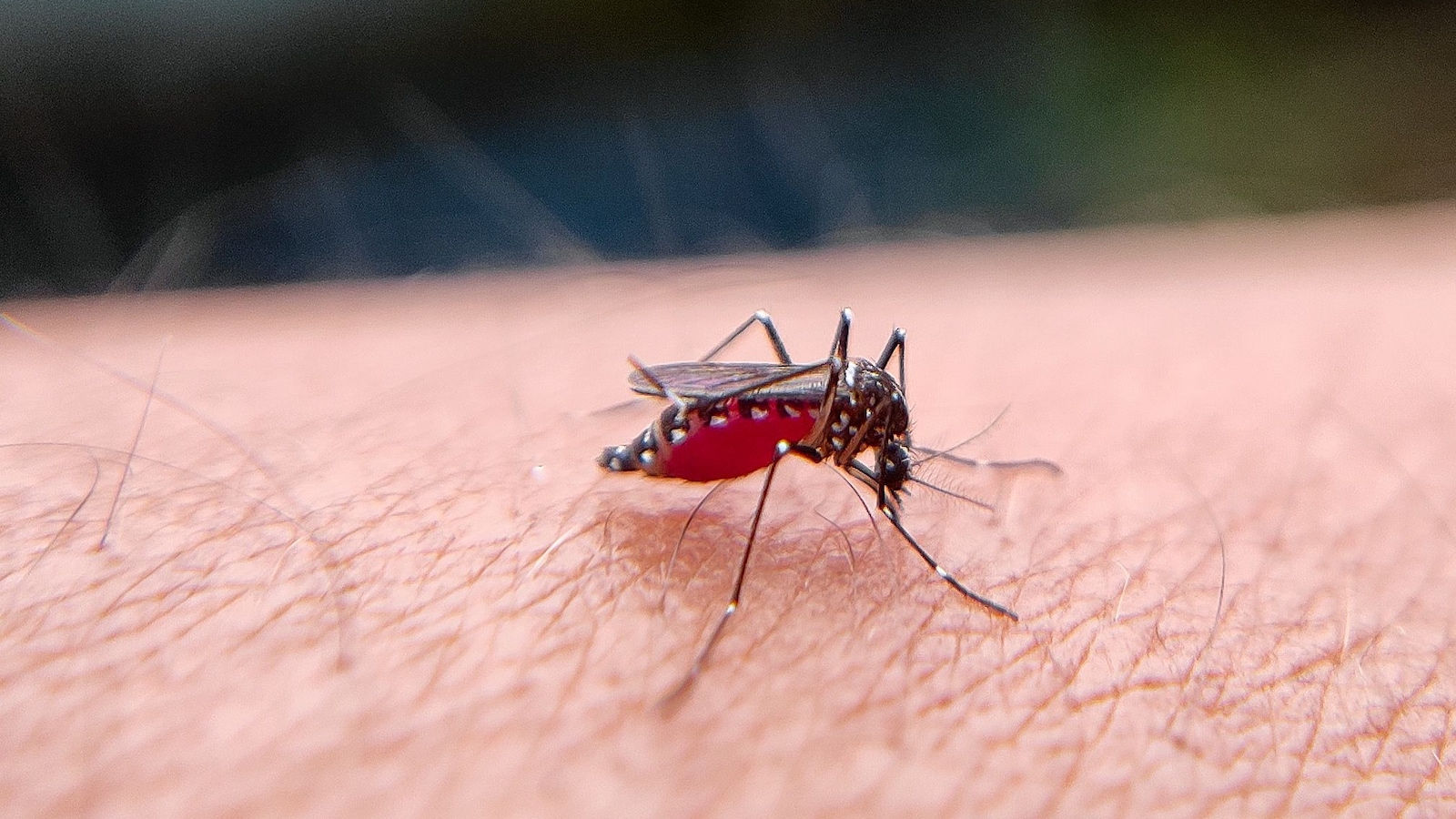
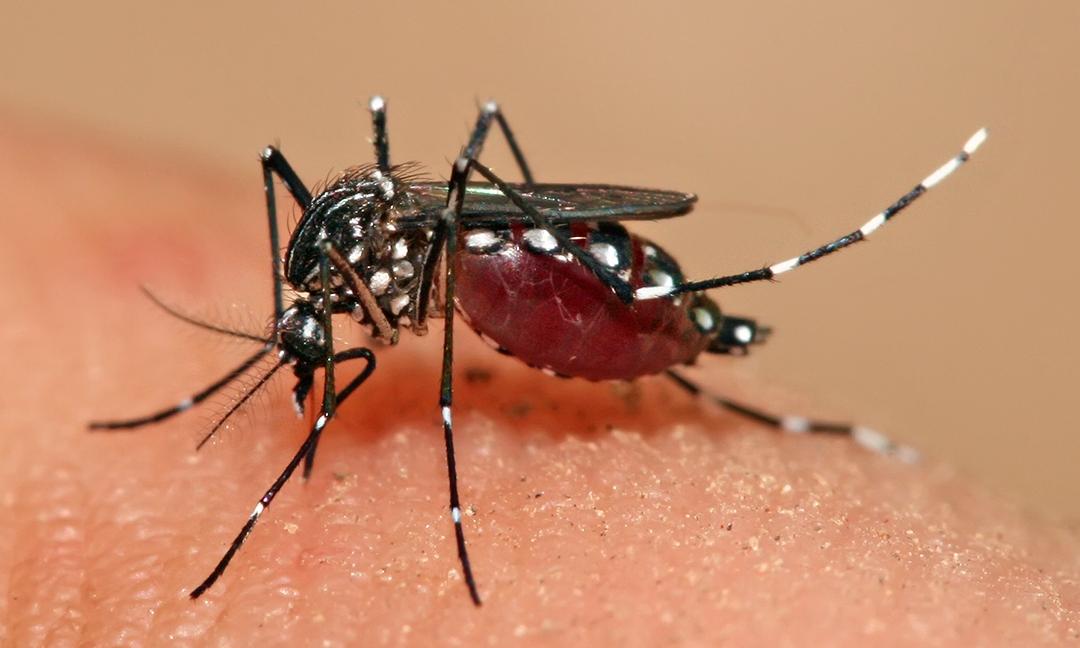
Dengue is spread by mosquitoes that can live very close to people’s homes.
They may grow in small amounts of water in flower pots or bottles.
Even a little water can let mosquito eggs hatch.
These mosquitoes often bite during the daytime.
People can help protect themselves by using mosquito repellents and ointments.
Authorities also need to remove breeding places and spray areas.
Bengal had reported 6,026 dengue cases by September 9.
A dengue vaccine is being tested, but it is not expected to be available before the next monsoon season.

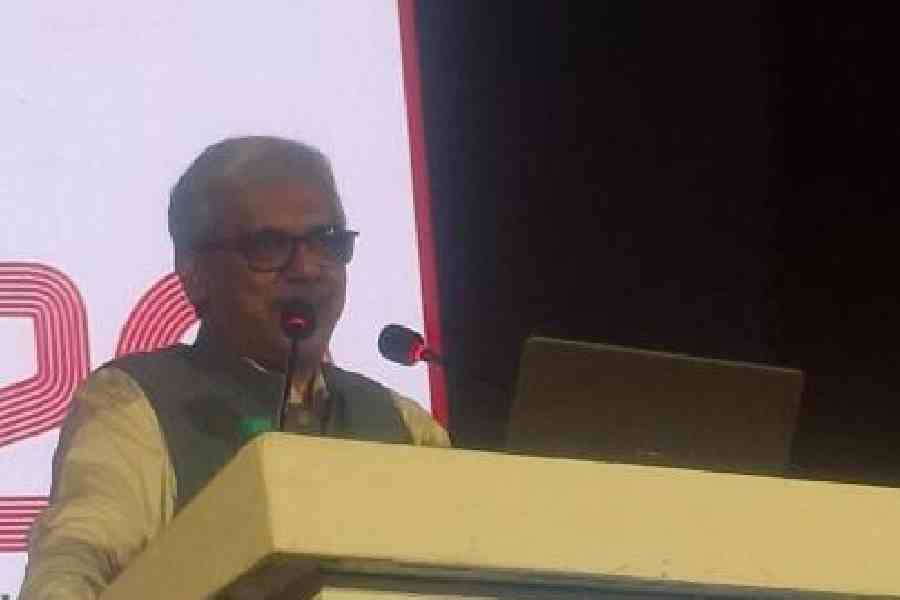
ICMR chief Rajiv Bahl said dengue-transmitting mosquitoes often breed inside or near homes.
Flower pots, bottles and other containers holding small amounts of water can become breeding sites.
Because these mosquitoes bite during the day, Bahl urged people to use repellents and ointments.
Bengal reported 6,026 dengue cases by September 9, fewer than at the same point last year.
An ICMR phase-III dengue vaccine trial has enrolled 10,335 volunteers across 20 centres.
- Who
- ICMR director-general Rajiv Bahl, health authorities and Bengal residents.
- What
- Officials highlighted household mosquito breeding, personal protection and sustained dengue-control measures.
- Where
- The lecture was delivered in Calcutta, and the vaccine trial is being conducted across 20 centres.
- When
- The remarks were made on Sunday; Bengal’s case count was reported through September 9.
- Why
- Dengue mosquitoes breed in or near homes and are active during the day, making water removal and bite prevention important.
Key facts
- Dengue cases
- Bengal reported 6,026 cases through September 9.
- High-risk period
- August and September were identified as critical months for dengue spread.
- Breeding sites
- Flower pots, bottles and other containers with standing water can support mosquito breeding.
- Mosquito activity
- Dengue-transmitting mosquitoes bite during the day.
- Vaccine trial
- The ICMR phase-III trial involves 10,335 volunteers across 20 centres.
- Trial status
- Recruitment was completed in December last year, and almost one year of the two-year follow-up had been completed.
- Expected availability
- Sources said the vaccine is unlikely to be available before the next monsoon season.
Quotes

Rajiv Bahl
ICMR director-general and secretary of the department of health research
“We completed the recruitment in December last year. It took about six months longer than expected, largely due to difficulties in finding volunteers willing to be vaccinated. We are now in the two-year follow-up phase, and almost one year has been completed.”
 telegraphindia.com
“It is a day-biting mosquito, so all through the day you have to be careful. Use mosquito repellents and ointments.”
telegraphindia.com
Sources
Related news

West Bengal Names Five Dengue Hotspots Amid Intensifying Monsoon
Monsoon Mosquito Menace Raises Dengue Fears Across Hyderabad Suburbs
Bangladesh Dengue Outbreak Intensifies as Hospitals Face Record Daily Admissions
West Bengal Reports More Than 4,500 Dengue Cases This Year
Doctors Warn Dengue and Malaria Risks Continue Beyond Monsoon

Bengal’s Statewide Cleanliness Drive Targets Dengue as Cases Top 4,000

Mother-Newborn Units Bring Shift in Low-Birth-Weight Baby Care

Flu Precautions: When Masks and N95s May Help

Sixty-Five Doctors Apply for AIIMS Delhi Director’s Post

India's Seasonal H1N1 Surge Prompts Advisories, Doctors Urge Calm