1 hr ago
Mother-Newborn Units Bring Shift in Low-Birth-Weight Baby Care

Some very small or sick babies need intensive medical care after birth.
Usually, this can mean babies are separated from their mothers.
Mother-newborn intensive care units let mothers stay beside their babies during treatment.
Babies can receive warmth, fluids, oxygen and breathing support while lying on their mothers’ chests.
This close contact is called kangaroo mother care.
A grandmother, aunt or another caregiver can help if the mother is tired or recovering.
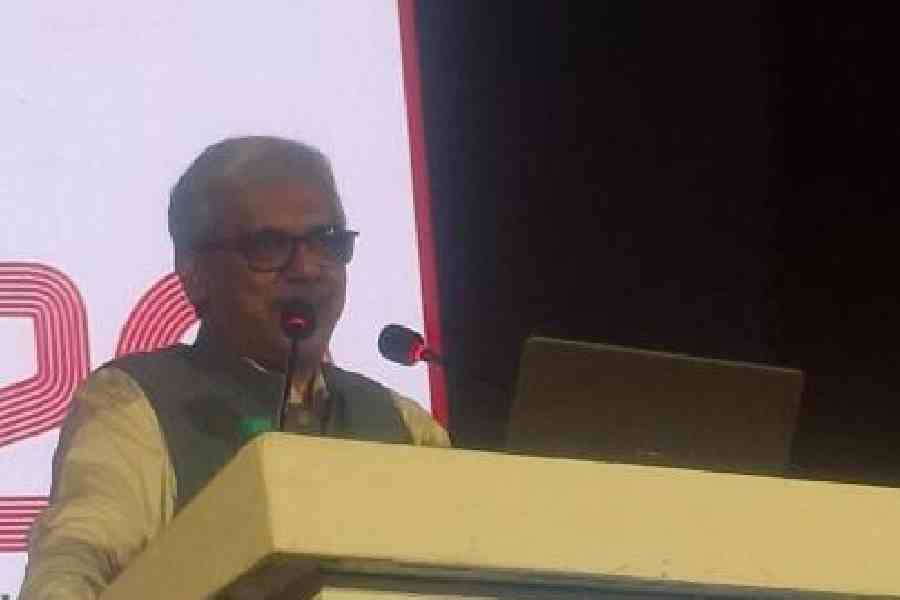
Rajiv Bahl said the approach lowered deaths in a high-risk group from about 13% to 9%.
The units also provide toilets and dining areas so mothers can stay nearby.
The approach became part of World Health Organization and Indian guidelines in 2025.

Mother-newborn intensive care units keep sick babies with their mothers during intensive treatment.
The units provide warmth, intravenous fluids, oxygen and continuous positive airway pressure when needed.
ICMR director-general Rajiv Bahl said the approach reduced mortality from about 13% to 9% in a high-risk group.
Continuous kangaroo mother care is provided, with surrogate caregivers able to help if mothers become exhausted.
The model was incorporated into World Health Organization and Indian national guidelines in 2025.
- Who
- Rajiv Bahl, the Indian Council of Medical Research director-general, discussed the units and kangaroo mother care for sick and low-birth-weight newborns.
- What
- Mother-newborn intensive care units allow babies to receive intensive treatment while remaining with their mothers.
- Where
- The remarks were made at the fourth Dilip Mahalanabis Oration organised by Liver Foundation, West Bengal; the trial involved developing-country tertiary-care hospitals.
- When
- Bahl spoke on Sunday; the units were incorporated into World Health Organization and Indian national guidelines in 2025.
- Why
- The model aims to provide intensive care while preventing separation between mothers and newborns and supporting continuous kangaroo mother care.
Key facts
- Speaker
- Rajiv Bahl, director-general of the Indian Council of Medical Research
- Care model
- Mother-newborn intensive care units
- Treatments available
- Warmth, intravenous fluids, oxygen and continuous positive airway pressure
- Reported mortality change
- From about 13% to 9% in a very high-risk group
- Guideline adoption
- Included in World Health Organization and Indian national guidelines in 2025
- Care approach
- Continuous kangaroo mother care, with surrogate caregivers available
- Historical foundation
- Dilip Mahalanabis’s Sick Newborn Care Units helped establish newborn care in low-resource settings
Quotes
Abhijit Chowdhury
Chief mentor of the Liver Foundation, West Bengal
“Mothers were happy to be with the babies and the babies were happy to be with their mothers. It reduced mortality from something like 13% to 9% in a very high-risk group in developing countries, even in tertiary-care hospitals. This was a change.”
 telegraphindia.com
“Throughout the mother-newborn intensive care unit, continuous kangaroo mother care was given to the baby. In the nursery, on the other hand, babies received brief sessions of kangaroo mother care once they started becoming stable.”
telegraphindia.com
Sources
Related news

A premature birth transforms motherhood inside India’s NICU
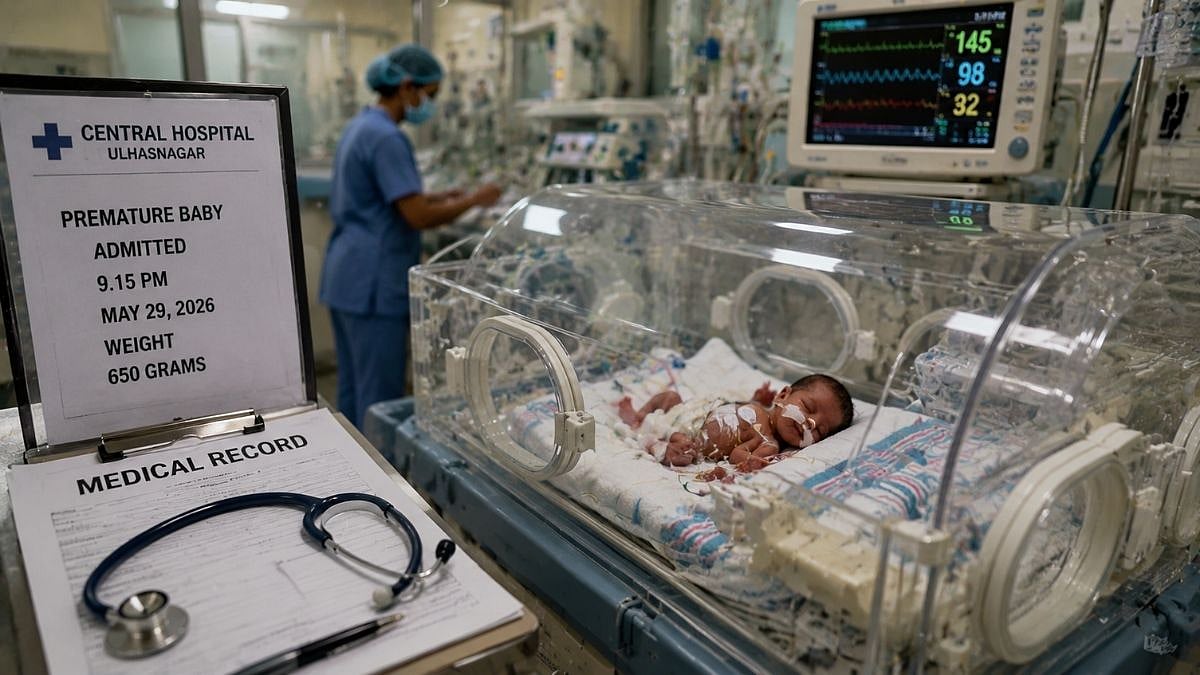
Maharashtra Rights Panel Closes Case, Finds No Medical Negligence

Newborn Dies After NICU Warmer Fire in Madhya Pradesh
BMC Denies Treatment Lapses In Three Rajawadi Hospital Infant Deaths
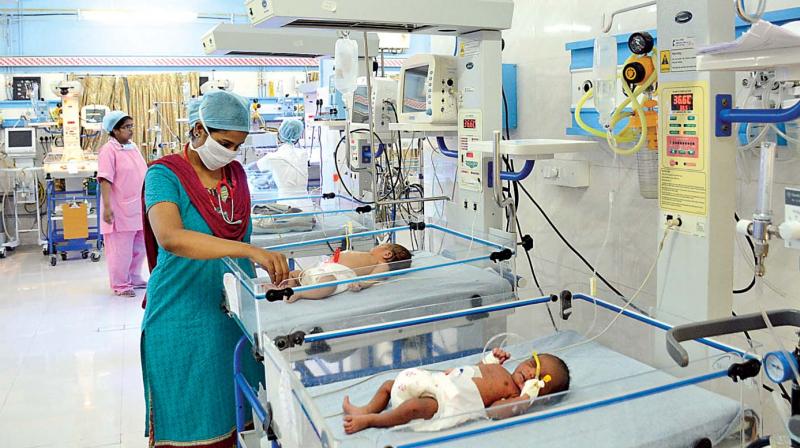
Chhindwara NICU Warmer Fire Injures Three Newborns, One Dies
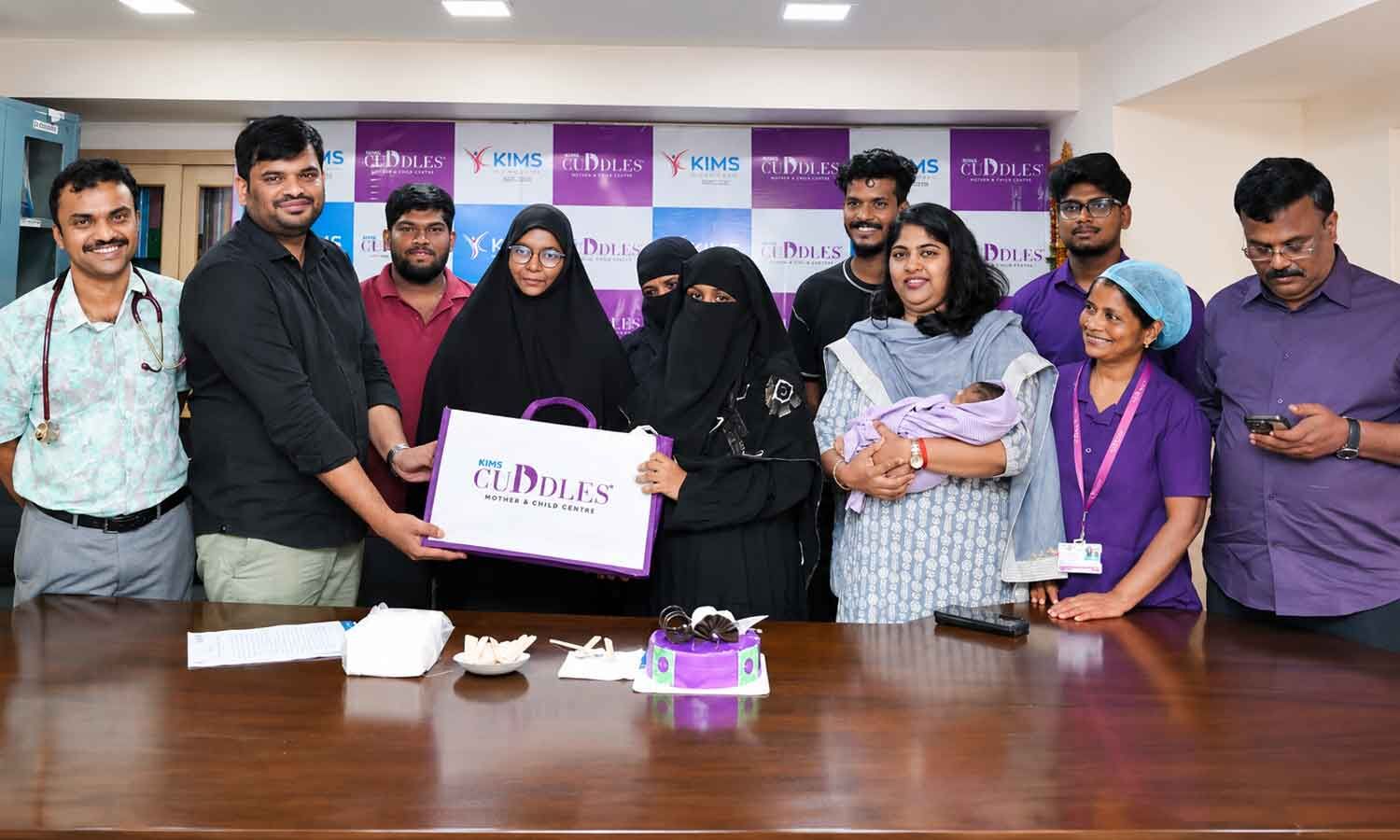
Critically Ill Newborn Recovers After Advanced Care at KIMS Cuddles
ICMR Chief Warns Dengue Mosquitoes Breed Around Homes

Flu Precautions: When Masks and N95s May Help

Sixty-Five Doctors Apply for AIIMS Delhi Director’s Post

India's Seasonal H1N1 Surge Prompts Advisories, Doctors Urge Calm