1 day ago
West Bengal Names Five Dengue Hotspots Amid Intensifying Monsoon

West Bengal has identified five districts where dengue is a particular concern.
They are Kolkata, Howrah, North 24 Parganas, South 24 Parganas and Murshidabad.
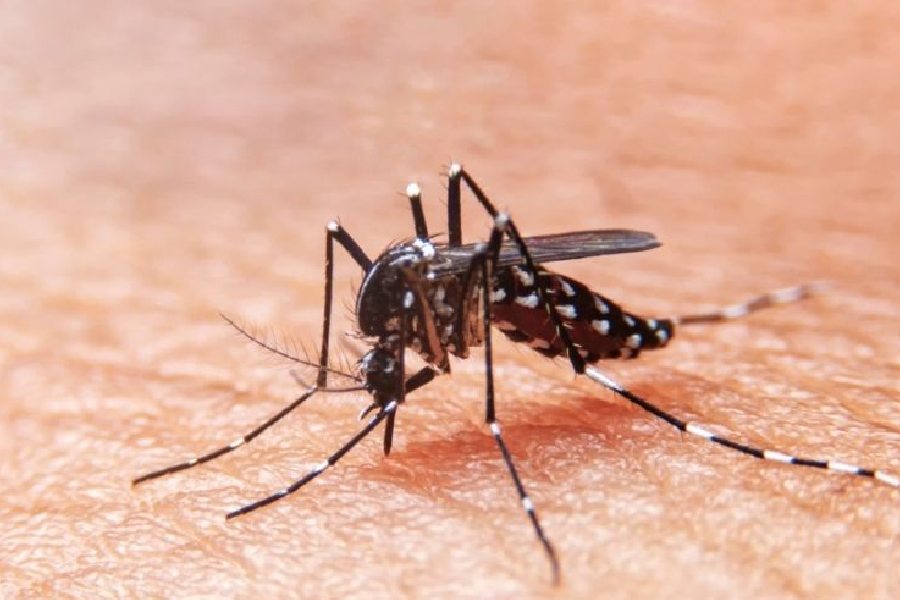
Dengue is spread by mosquitoes, which can breed in standing water.
Heavy rain can leave water in pots, containers, rooftops and other places.
The state had recorded 4,035 dengue cases by August 19.
Seven deaths were officially linked to dengue, while officials counted 10 when other seriously ill patients were included.
Government departments and municipalities are increasing inspections and mosquito-control work.
Kolkata Municipal Corporation and Metro Railway are also checking Metro stations and nearby areas.
Residents are being asked to remove standing water and keep their surroundings clean.

Kolkata, Howrah, North 24 Parganas, South 24 Parganas and Murshidabad were identified as West Bengal’s most dengue-prone districts.
West Bengal recorded 4,035 dengue cases by August 19, with seven officially attributed deaths and 10 deaths including patients with other serious conditions.
The state reported 15% fewer dengue cases than during the corresponding period last year as of August 16, officials said.
Authorities ordered expanded surveillance, cleanliness drives and mosquito-breeding-site inspections, including at government buildings and Metro stations.
Officials urged residents to remove stagnant water and cooperate with civic workers as continued monsoon rainfall could create new breeding sites.
- Who
- West Bengal government authorities, municipalities, Kolkata Municipal Corporation, Metro Railway and residents are involved; Minister Agnimitra Paul announced the measures.
- What
- Five districts were designated dengue hotspots as authorities intensified surveillance and vector-control efforts.
- Where
- West Bengal, particularly Kolkata, Howrah, North 24 Parganas, South 24 Parganas and Murshidabad; the campaign includes Metro stations and nearby areas.
- When
- The assessment covered cases reported during the previous month and the current monsoon; West Bengal had recorded 4,035 cases by August 19, and the Metro campaign will continue until September 3.
- Why
- Intense and continuing monsoon rainfall may create stagnant-water mosquito-breeding sites and increase the risk of vector-borne disease.
Government Response
Criticism and Public Responsibility
Dengue-control efforts
Government Response
Authorities said they were taking preventive steps, including surveillance, inspections, cleanliness work, canal clearing and vector-control operations.
Criticism and Public Responsibility
Minister Agnimitra Paul criticised the previous administration and municipal authorities, alleging they had failed to address broken roads and other problems before the monsoon.
Prevention priorities
Government Response
The government urged residents to inspect rooftops, garages, gardens and other areas, remove stagnant water and cooperate with civic workers.
Criticism and Public Responsibility
Paul said prevention should not be limited to government premises or major public spaces and that residents, including those in densely populated tenements, needed greater awareness and participation.
Current trend and future risk
Government Response
Officials reported 15% fewer cases than in the comparable period last year as of August 16.
Criticism and Public Responsibility
Authorities warned that continued rainfall could create fresh mosquito-breeding sites and increase vector-borne disease risks.
Key facts
- Hotspot districts
- Kolkata, Howrah, North 24 Parganas, South 24 Parganas and Murshidabad
- Reported dengue cases
- 4,035 cases in West Bengal by August 19
- Official dengue deaths
- Seven deaths were officially attributed to dengue
- Broader reported death count
- The toll was 10 when dengue-positive patients with other serious underlying conditions were included
- Year-on-year comparison
- Cases were 15% lower than during the corresponding period last year as of August 16
- Kolkata cases
- 327 cases from January 1 to August 23, compared with 387 during the corresponding period last year
- Control campaign
- Kolkata Municipal Corporation and Metro Railway launched a drive continuing through September 3
Quotes

Agnimitra Paul
West Bengal Urban Development and Municipal Affairs Minister
“The rains are here and this is the time when vector-borne diseases can increase. We are taking all possible steps, but public awareness and cooperation are equally important.”
 thestatesman.com
“Awareness is very important. People living in tenements must also be made aware and encouraged to check their surroundings and maintain cleanliness.”
thestatesman.com
Sources
Related news

West Bengal Reports Fewer Dengue Cases, But Monsoon Risks Remain

Bengal’s Statewide Cleanliness Drive Targets Dengue as Cases Top 4,000
Bengal Reports Over 4,000 Dengue Cases, Down 50% This Year
West Bengal Says Dengue Under Control, Announces Cleanliness Drive

West Bengal Reports Nearly Half as Many Dengue Cases
Ulhasnagar Reports 30 Suspected Dengue Cases, Ramps Up Prevention
Girl Dies at Farakka Hostel as Murder, Suicide Claims Clash

TMC Councillors Vote Out Dhuliyan Municipality Chairman Over Alleged Failures

Bengal Minister Attacks Murshidabad MPs After Party Switches