2 weeks ago
Independence Day 2026: How Overseas Indians Fought the British Raj
India used to be ruled by Britain, and many years ago Indian people wanted freedom.
A lot of the brave people who helped India become free lived in other countries far away.
They built secret meeting places in big cities like London, Paris, Berlin, and San Francisco.
In London, a home called India House became a school for young revolutionaries.
In Germany, a lady named Madam Cama showed a flag that looked like India's future national flag.
Some people made newspapers and hid them in furniture to send them back to India.
Others tried to get weapons and armies together to fight the British.
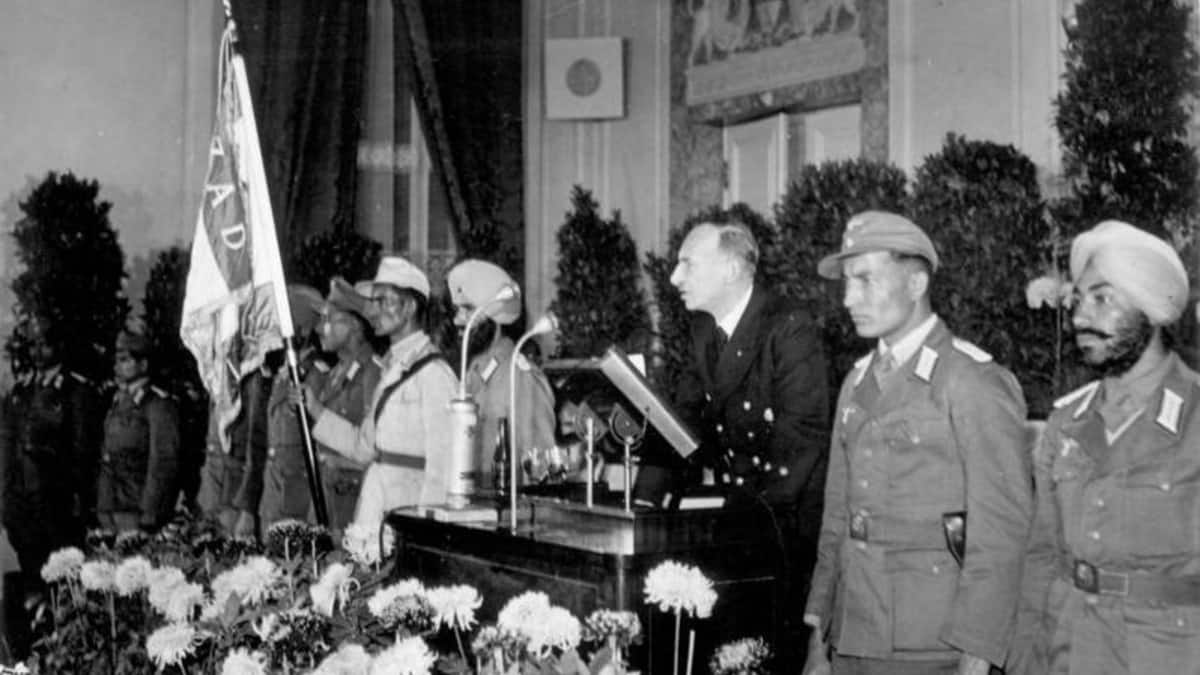
A man named Subhas Chandra Bose even started a special army in Singapore called the Azad Hind Fauj.
All these people working in different countries helped make India free in 1947.
That is why, on India's Independence Day, we remember that the freedom fight happened all over the world, not just in India.

Ahead of Independence Day on August 15, 2026, historians highlight how Indian revolutionaries abroad — from London and Paris to San Francisco, Kabul, Moscow and Singapore — turned the fight against British rule into a global movement.
Shyamji Krishna Varma founded the Indian Home Rule Society and India House in Highgate, London in 1905, where Madan Lal Dhingra assassinated British official Sir William Hutt Curzon Wyllie on July 1, 1909.
Madam Bhikaiji Cama unfurled an early tricolour precursor to India's national flag at the International Socialist Congress in Stuttgart on August 22, 1907.
The Berlin Committee coordinated the Hindu-German Conspiracy during World War I, and on December 1, 1915, a Provisional Government of Free India was proclaimed in Kabul.
The San Francisco-based Ghadar Party and Subhas Chandra Bose's Azad Hind Fauj raised armed forces abroad, with the Indian National Army launching the U-Go Offensive into Northeast India in early 1944.
- Who
- Indian revolutionaries in exile, including Shyamji Krishna Varma, Madam Bhikaiji Cama, Lala Hardayal, Rash Behari Bose and Subhas Chandra Bose.
- What
- A global overseas movement that complemented the subcontinent's freedom struggle through propaganda, arms smuggling, foreign alliances and liberation armies, contributing to India's independence in 1947.
- Where
- London, Paris, Berlin, Stuttgart, Kabul, San Francisco, Vancouver, Singapore, Tokyo, Moscow and Tashkent, among other foreign cities.
- When
- From the early 1900s (India House founded in 1905) through 1947, recalled ahead of Independence Day on August 15, 2026.
- Why
- Driven abroad by colonial surveillance, political exile and economic migration, revolutionaries sought to globalise the question of Indian freedom and challenge British rule from outside the subcontinent.
Key facts
- Event
- Independence Day 2026 commemorations highlighting the overseas Indian freedom movement
- India gained independence
- 1947 (British flag lowered)
- First overseas hub
- India House, 65 Cromwell Avenue, Highgate, London (founded 1905)
- Flag unfurled at Stuttgart
- August 22, 1907, by Madam Bhikaiji Cama
- Provisional Government of Free India
- Proclaimed December 1, 1915, in Kabul
- Provisional Government of Azad Hind
- Proclaimed October 21, 1943, in Singapore
- Komagata Maru
- 376 passengers turned back from Vancouver; 19 killed at Budge Budge in September 1914
- Communist Party of India founded
- October 1920, in Tashkent
Quotes
Madam Bhikaiji Cama
Indian revolutionary and founder of the Paris India Society
“"Behold, the flag of Indian Independence is born! I appeal to lovers of freedom all over the world to cooperate with this flag in freeing one-fifth of the human race,"”
 firstpost.com
Sources
Related news

Quit India Day Observed; Tributes Paid to Freedom Fighters
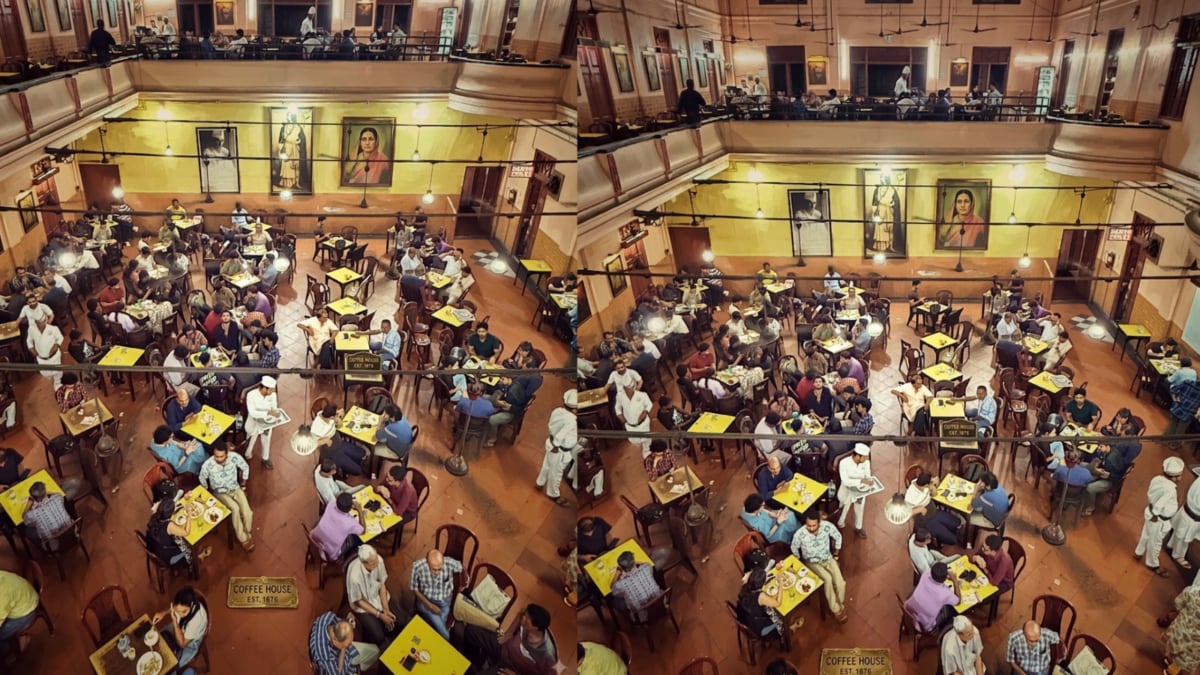
How Kolkata's Indian Coffee House Became a Freedom Movement Hub

Indian Diaspora Celebrates 80th Independence Day in Kenya, Bahrain, France
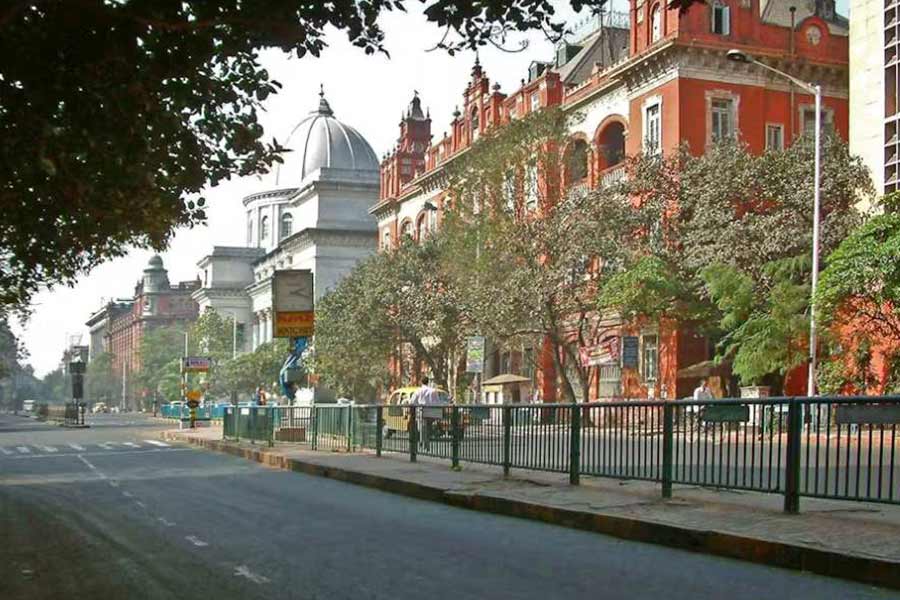
5 Kolkata Landmarks Linked to India's Freedom Struggle
Vice-President pays tributes to freedom fighters on 80th Independence Day

Indian envoy leads 80th Independence Day celebration in Singapore
Cold Weather Triggers Silent Hypertension and Kidney Risks
ED Raids Ex-Haryana Minister's House