2 weeks ago
How Kolkata's Indian Coffee House Became a Freedom Movement Hub
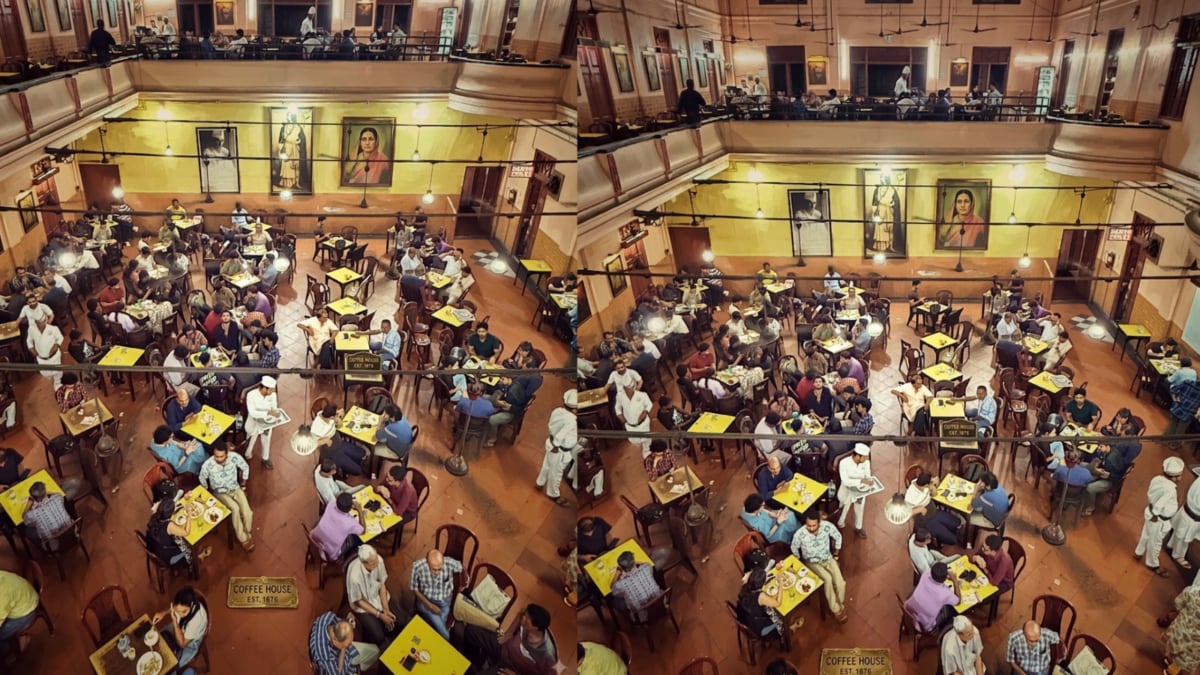
Long ago, in 1876, a big meeting hall was built in Kolkata and named Albert Hall, after Prince Albert, the husband of Queen Victoria.
Even though it had a British name, Indian people used it to talk about making their country free.
In 1883, two leaders, Surendranath Bandyopadhyay and Anandamohan Bose, held a big national conference there.
In 1942, the Coffee Board opened a coffee shop inside the building.
Soon, students, poets, artists and politicians began meeting there to drink coffee and share ideas.
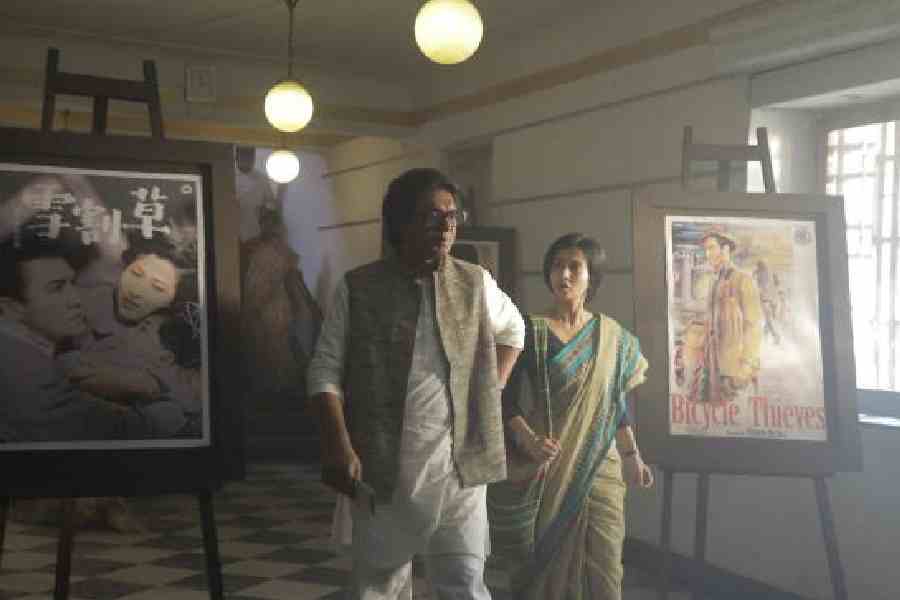
Famous people like Netaji Subhas Chandra Bose, Satyajit Ray and Amartya Sen are linked to the place.
After India became independent, workers went on strike in 1948 to stop the coffee houses from closing.
By 1957, the workers' cooperative took over and ran the coffee houses themselves.
Today it is called the Indian Coffee House.
It is still a special place in Kolkata where people gather to talk and drink coffee.

The building that now houses the Indian Coffee House was built in 1876 and was originally known as Albert Hall.
In 1883, Surendranath Bandyopadhyay and Anandamohan Bose organized the Bharat Sabha national conference there.
The Coffee Board opened a coffee shop at Albert Hall in 1942, during the final years of British rule.
The venue hosted nationalist meetings and was associated with figures including Netaji Subhas Chandra Bose.
After a 1948 workers' strike in Calcutta, the Indian Coffee House Workers' Cooperative Society took over the establishments by 1957.
- Who
- Surendranath Bandyopadhyay and Anandamohan Bose organized early nationalist conferences; figures including Netaji Subhas Chandra Bose, Satyajit Ray and Amartya Sen were associated with the venue.
- What
- The building that became Kolkata's Indian Coffee House, originally Albert Hall, served as a quiet hub of nationalist meetings and political debate during India's freedom movement.
- Where
- College Street, Kolkata (formerly Calcutta), India.
- When
- From its founding as Albert Hall in 1876 through the freedom movement era; the Coffee Board opened its coffee shop there in 1942 and workers took over by 1957.
- Why
- The space gave people a place to sit, talk and exchange ideas, hosting gatherings and conversations that challenged British rule.
Key facts
- Original name
- Albert Hall, built in 1876
- Namesake
- Prince Albert, husband of Queen Victoria
- Key early event
- Bharat Sabha national conference organized in 1883 by Surendranath Bandyopadhyay and Anandamohan Bose
- Coffee shop opened
- 1942, by the Coffee Board
- Workers' strike
- 1948, against threatened closures
- Cooperative takeover
- 1957, by the Indian Coffee House Workers' Cooperative Society
- Location
- College Street, Kolkata
- Notable figures
- Netaji Subhas Chandra Bose, Satyajit Ray, Amartya Sen, Mrinal Sen, Aparna Sen
Sources
Related news
Lucknow's 88-Year-Old Coffee House Falls Silent After Closure

Indian Association Marks 150 Years of Freedom Struggle History
5 Kolkata Landmarks Linked to India's Freedom Struggle
From Irani Chai to Specialty Coffee: Hyderabad's Taste Evolves
Independence Day 2026: How Overseas Indians Fought the British Raj
CJP Says Kolkata Venues Closed Doors Amid Political Pressure
West Bengal Announces Four-Day Celebration for Uttam Kumar Centenary
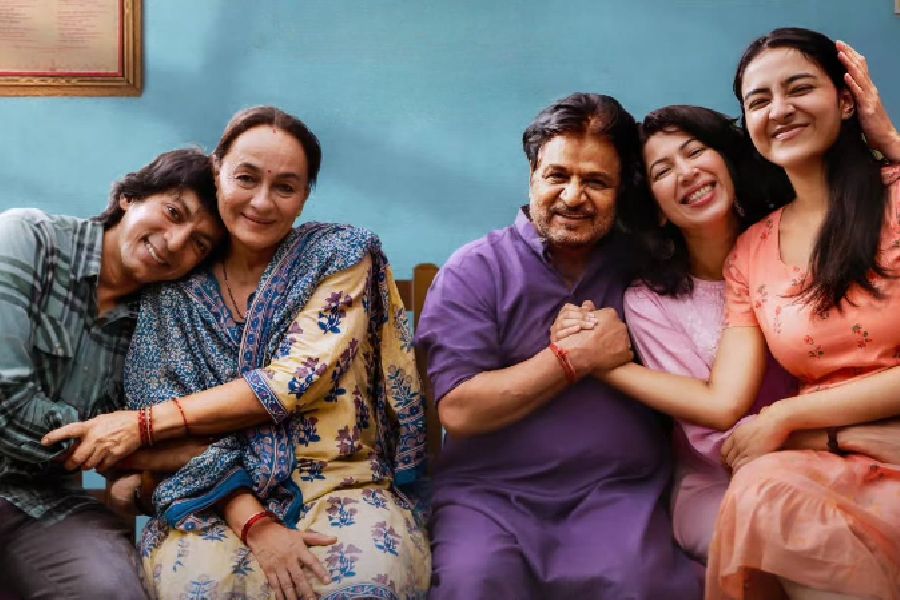
‘Om Ka Hari’ Sets September 18, 2026 Theatrical Release

PM Modi and Bengal CM Adhikari honor Uttam Kumar
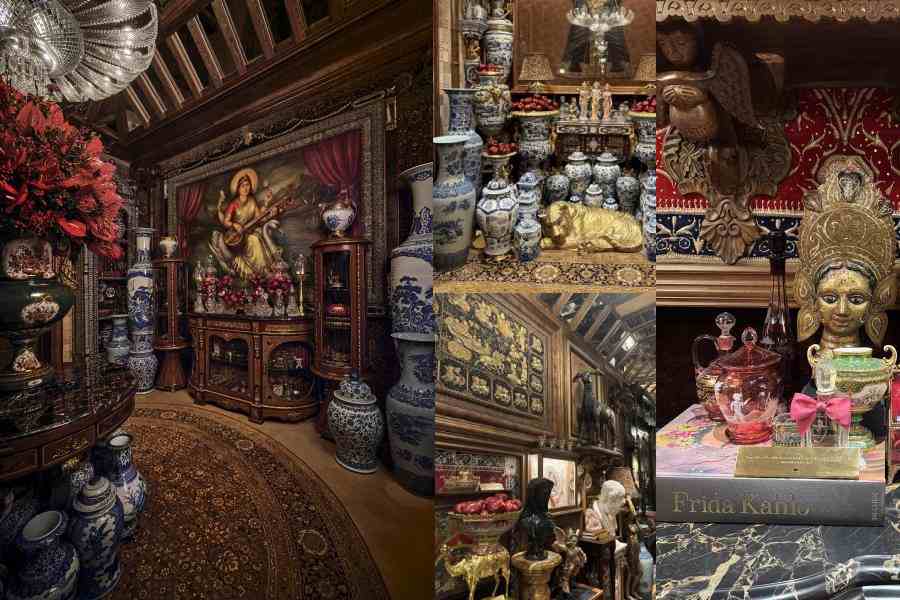
Sabyasachi Opens Calcutta-Inspired New Delhi Flagship, Announces MET Collaboration
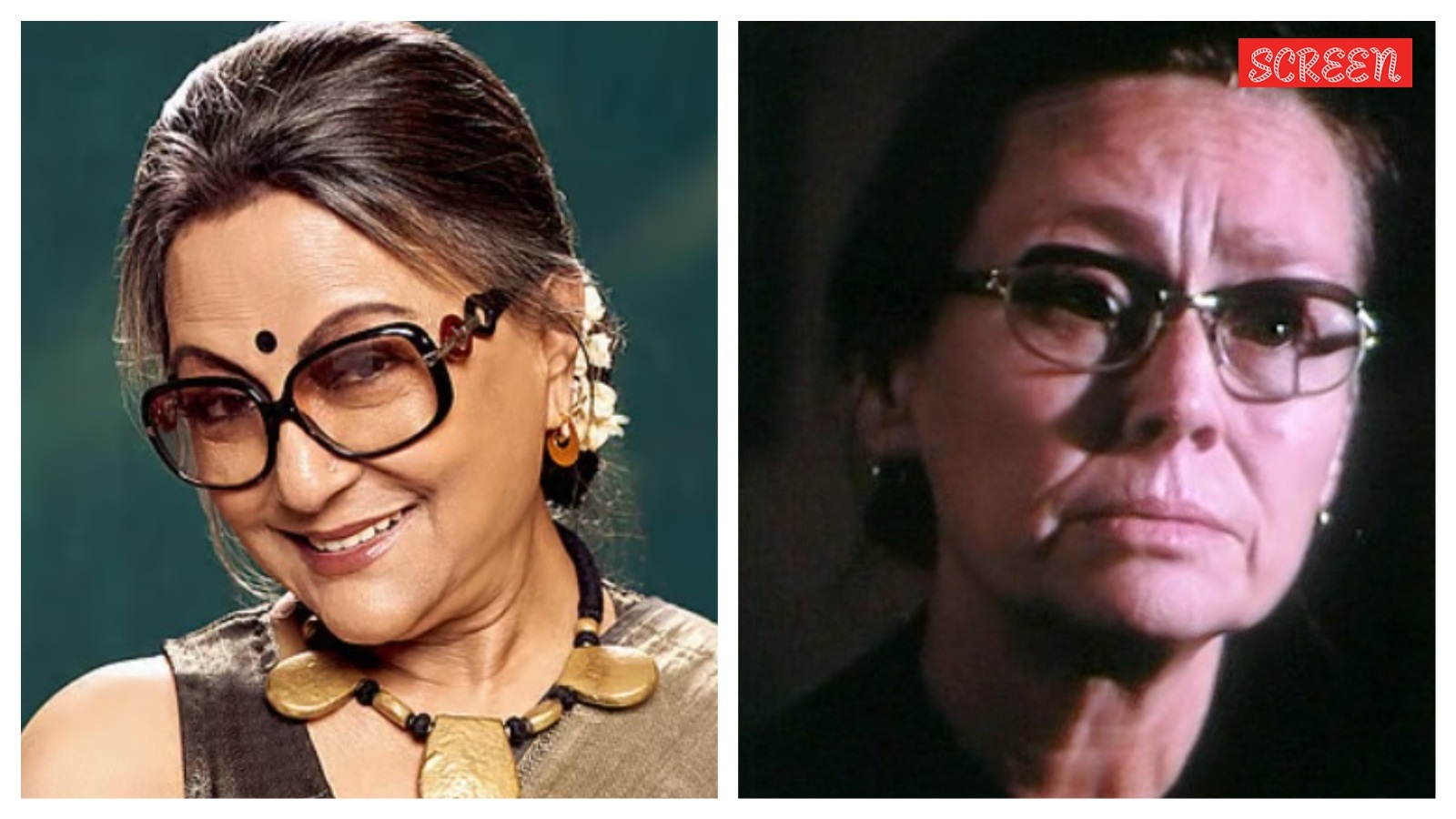
Satyajit Ray’s Advice Helped Aparna Sen Make 36 Chowringhee Lane