1 day ago
Engineer Criticises Six-Day Rescue Delay at Trishuli-3A Tunnel

A huge flood and landslide buried the entrance to a hydropower tunnel in Nepal.
Workers and rescuers have been trying to reach people inside the tunnel.
A surveyor named Pranaya Magar said the rescue was moving too slowly.
He said several excavators and a breaker machine should have been used from the first day.
He also said only one excavator was actually working, despite reports that three were operating continuously.
Officials said the tunnel entrance was completely buried and that equipment was needed to clear it.
The disaster began after a glacier collapse near Nepal’s border with Tibet caused a massive landslide.
More than 900 people were reported dead in Nepal, and thousands were still missing.
Families continued waiting for news about the missing workers.

Surveyor Pranaya Magar said four excavators and one breaker could have completed the rescue sooner.
He claimed six days passed without rescuers creating an access route into the tunnel.
Magar disputed reports that three excavators operated around the clock, saying only one was running.
The tunnel entrance was completely buried after a major landslide and flood struck on August 26.
Authorities reported more than 900 deaths in Nepal, while thousands remained missing across the affected areas.
- Who
- Rescuers, technical teams, the Nepal Army, hydropower workers, and surveyor Pranaya Magar were involved or discussed.
- What
- Rescue operations at the Upper Trishuli-3A hydropower tunnel faced criticism over delays and equipment deployment.
- Where
- At the Upper Trishuli-3A hydropower tunnel in Rasuwa, Nepal, amid flooding affecting Rasuwa, Nuwakot, and Dhading.
- When
- The flood struck on August 26; authorities reported the death and missing-person figures on Monday, after six rescue days.
- Why
- A glacier collapse near the Nepal-Tibet border triggered a landslide and flood that buried the tunnel entrance.
Rescue Criticism
Authorities’ Explanation
Speed of the operation
Rescue Criticism
Surveyor Pranaya Magar argued that basic machinery deployed from the first day could have opened an access route much sooner.
Authorities’ Explanation
Authorities said the tunnel entrance was completely buried, requiring the Army and technical teams to bring in excavation equipment.
Number of machines operating
Rescue Criticism
Magar disputed reports that three excavators worked continuously, saying only one was running at the site.
Authorities’ Explanation
Reports cited by Magar claimed that three excavators were operating around the clock, although the article does not provide a separate official response to his claim.
Role of decision-makers
Rescue Criticism
Magar urged lawmakers to let technical experts manage the work and to provide the ground team with all requested equipment.
Authorities’ Explanation
The article describes government, Army, and technical teams coordinating the excavation but does not state their response to Magar’s remarks.
Key facts
- Rescue criticism
- Pranaya Magar said three or four excavators and one breaker could have completed the work sooner.
- Reported equipment dispute
- Magar said only one excavator was running, contradicting reports that three operated around the clock.
- Flood date
- The flood struck on August 26.
- River surge
- The Trishuli River rose nine metres in 30 minutes.
- Nepal casualties
- Nepali authorities reported more than 900 deaths and thousands missing.
- Tibet casualties
- Chinese officials reported 16 deaths and 546 missing in Tibet’s Gyirong county.
- Hydropower impact
- Workers from nine hydropower projects in Rasuwa and Nuwakot were reported missing.
Sources
Related news
Nepal Tunnel Rescue Race Against Time After Devastating Floods
Nepal Intensifies Rescue for Workers Trapped in Hydropower Tunnels
Nepal Floods Leave 933 Hydropower Workers Missing in Tunnels
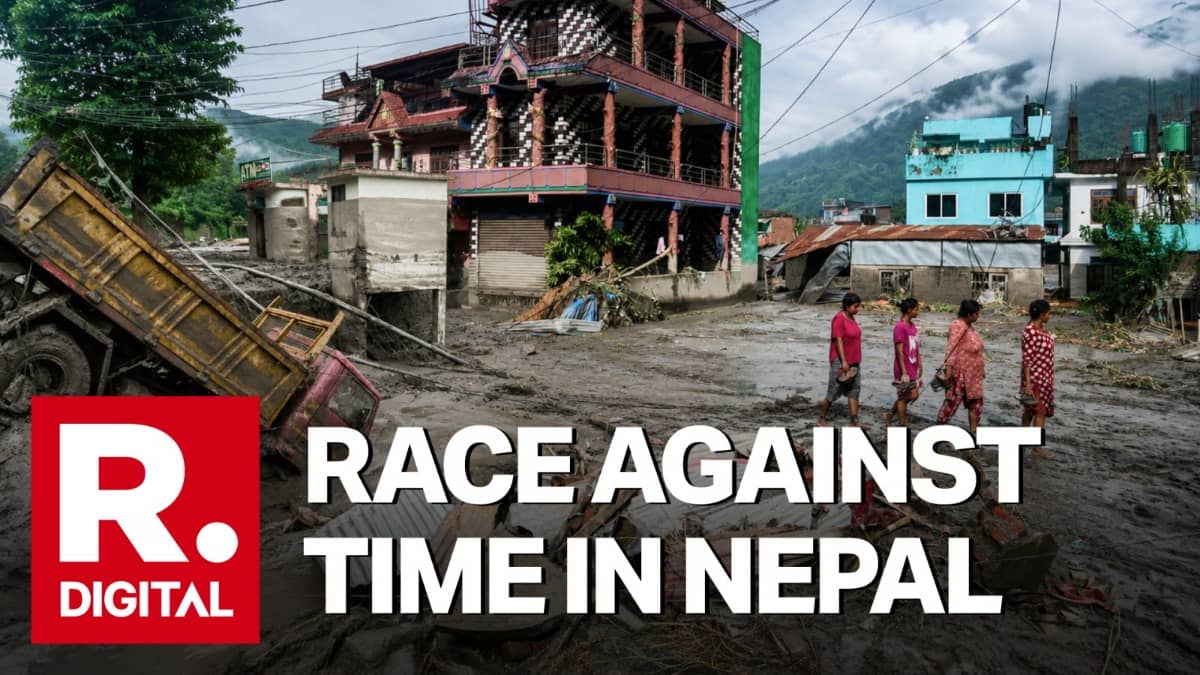
Nepal Searches for 933 Hydropower Workers Missing After Floods

Indian Experts Join Nepal Rescue For Trapped Hydropower Workers
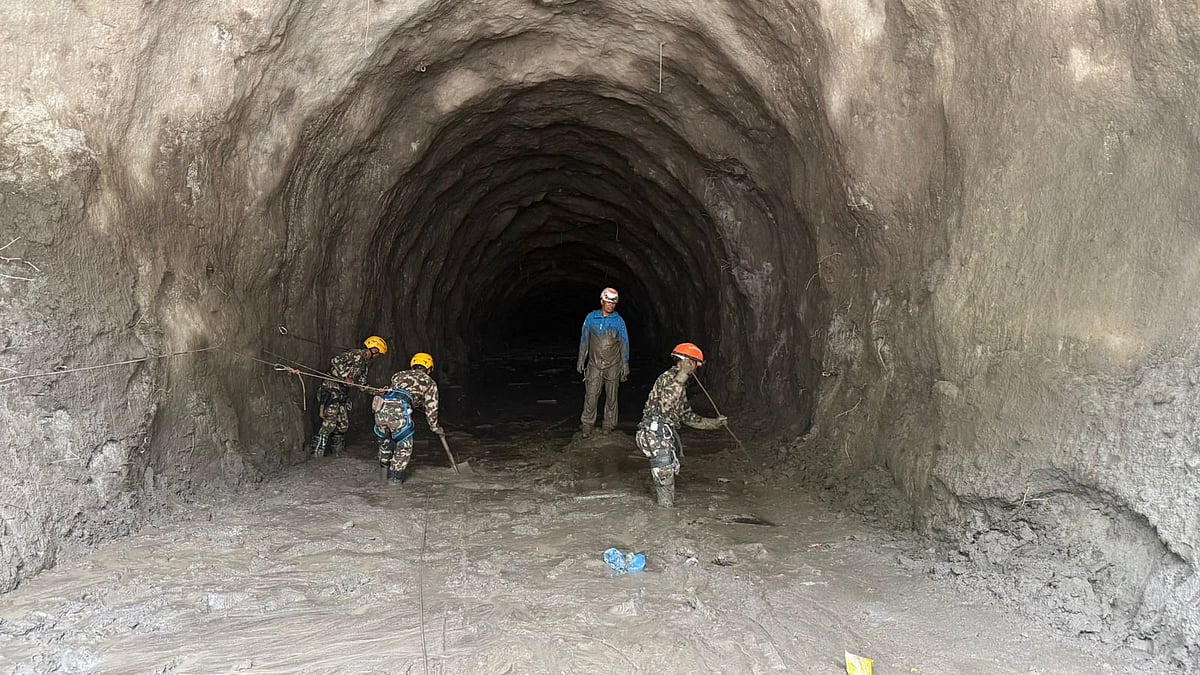
Nepal Tunnel Survivor Alleges Chinese Supervisor Fled During Flood

Nepal Thanks India as Glacial Disaster Rescue Efforts Continue
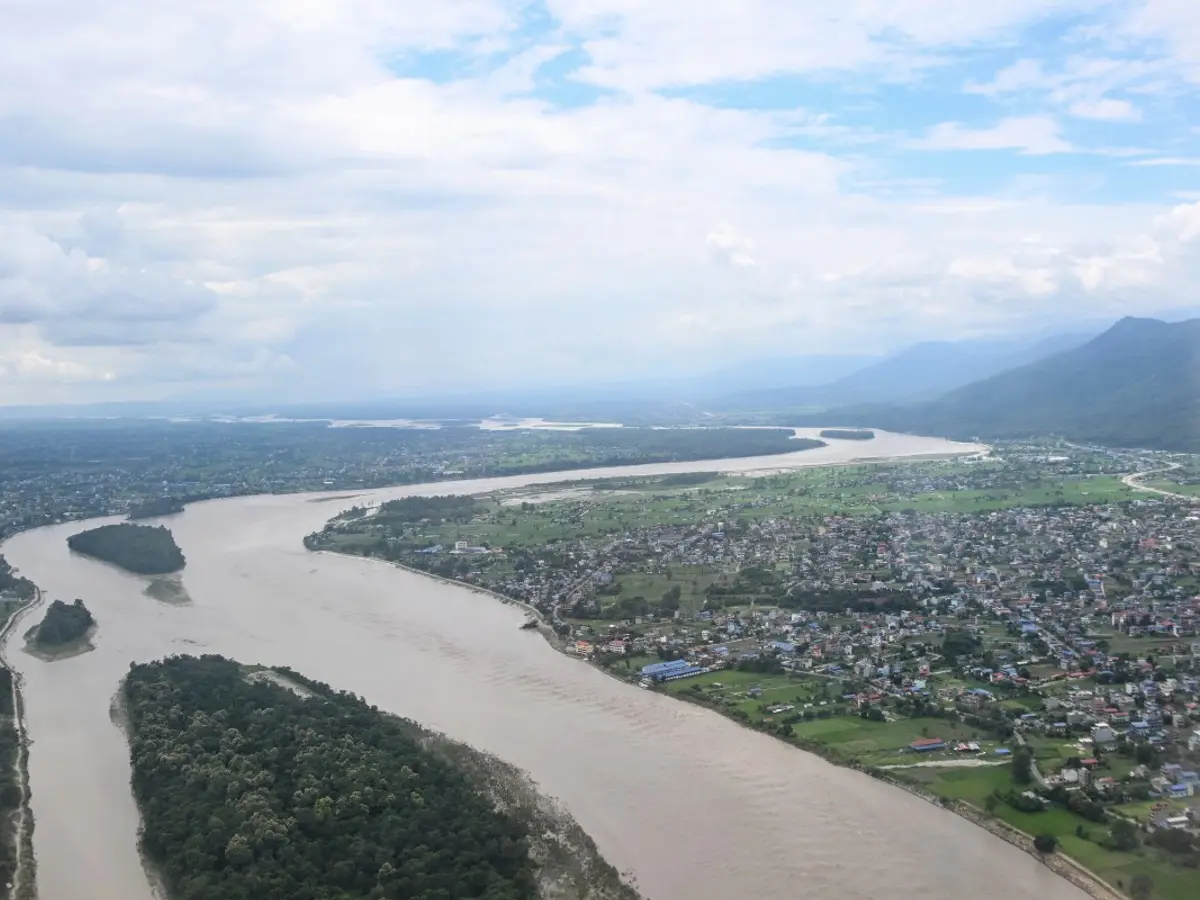
Nepal Warns of Heavy Rain After Deadly Floods
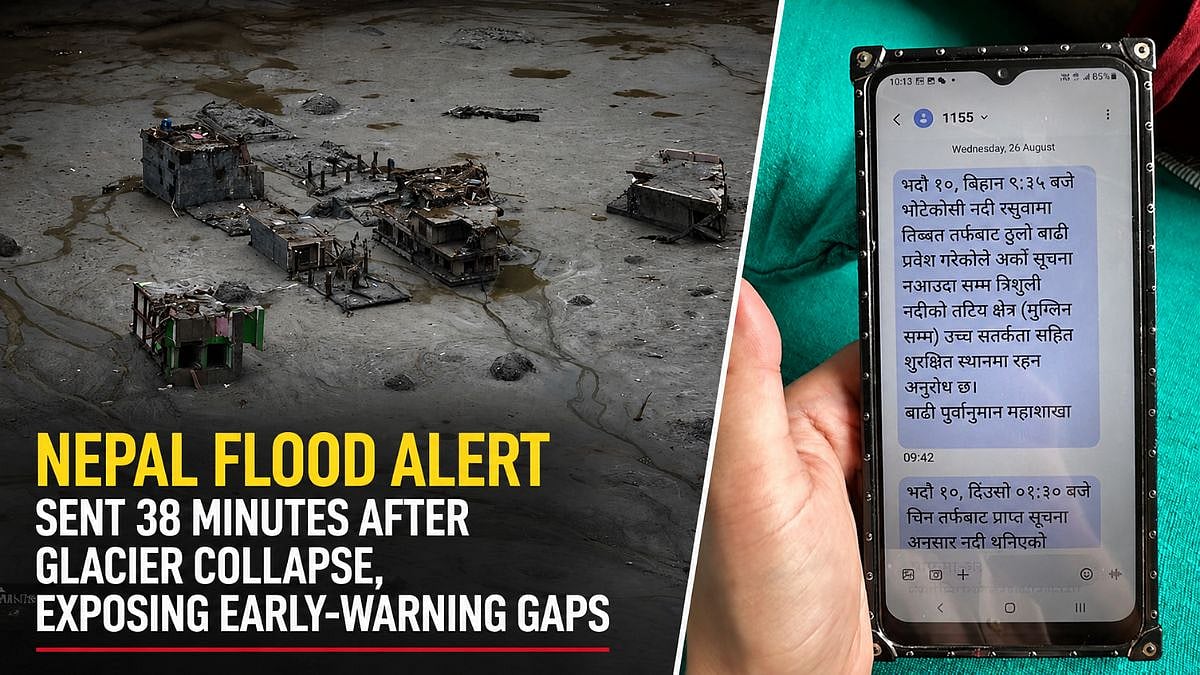
Nepal Flood Exposes Delayed Alerts and Cross-Border Warning Gaps
Bhotekoshi Flood Crisis: Nepal PM Shah Calls for Courage
Nepal PM Thanks India, China Amid Climate Compensation Demand