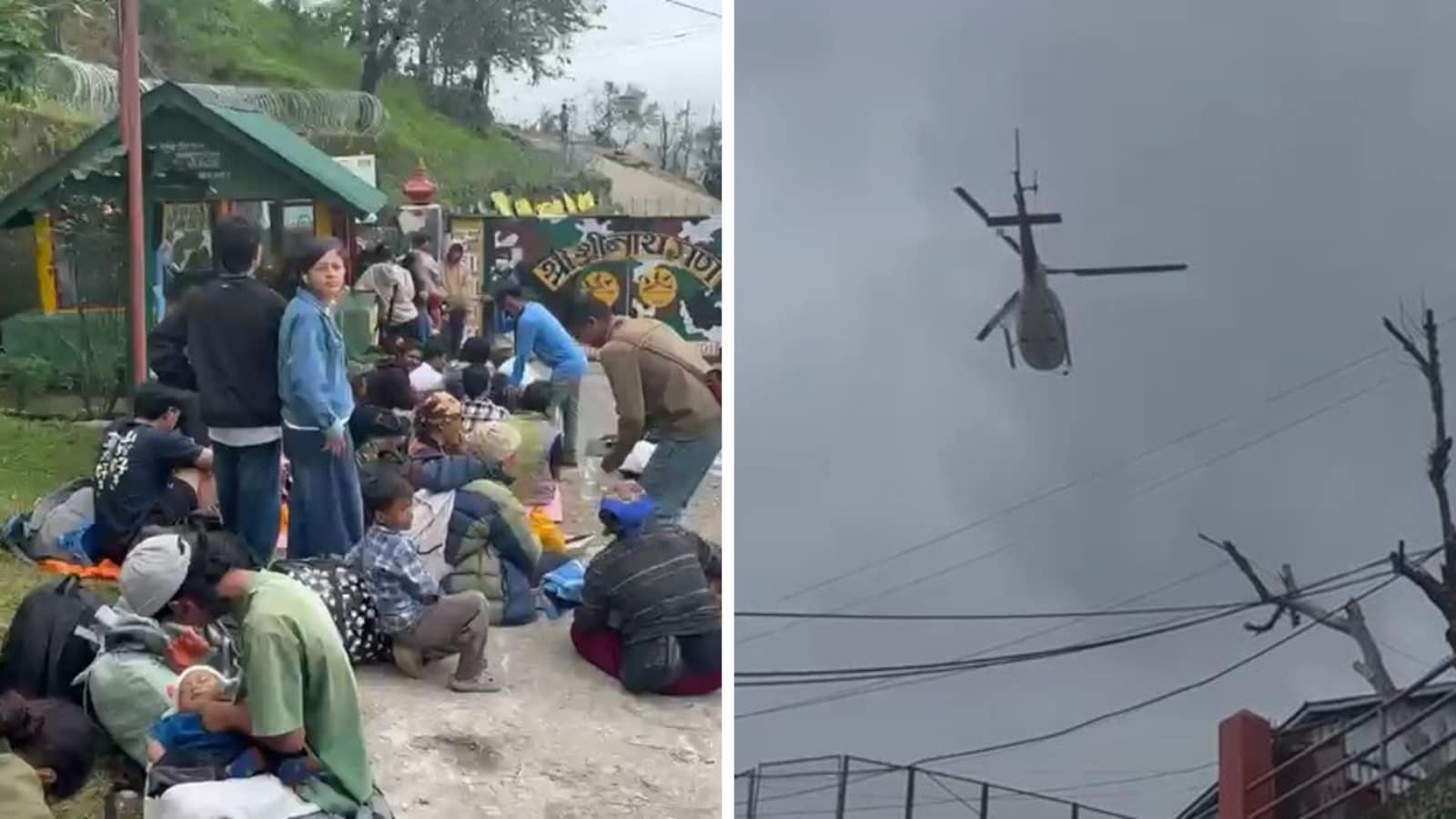
2 days ago
Nepal Floods Leave 933 Hydropower Workers Missing in Tunnels
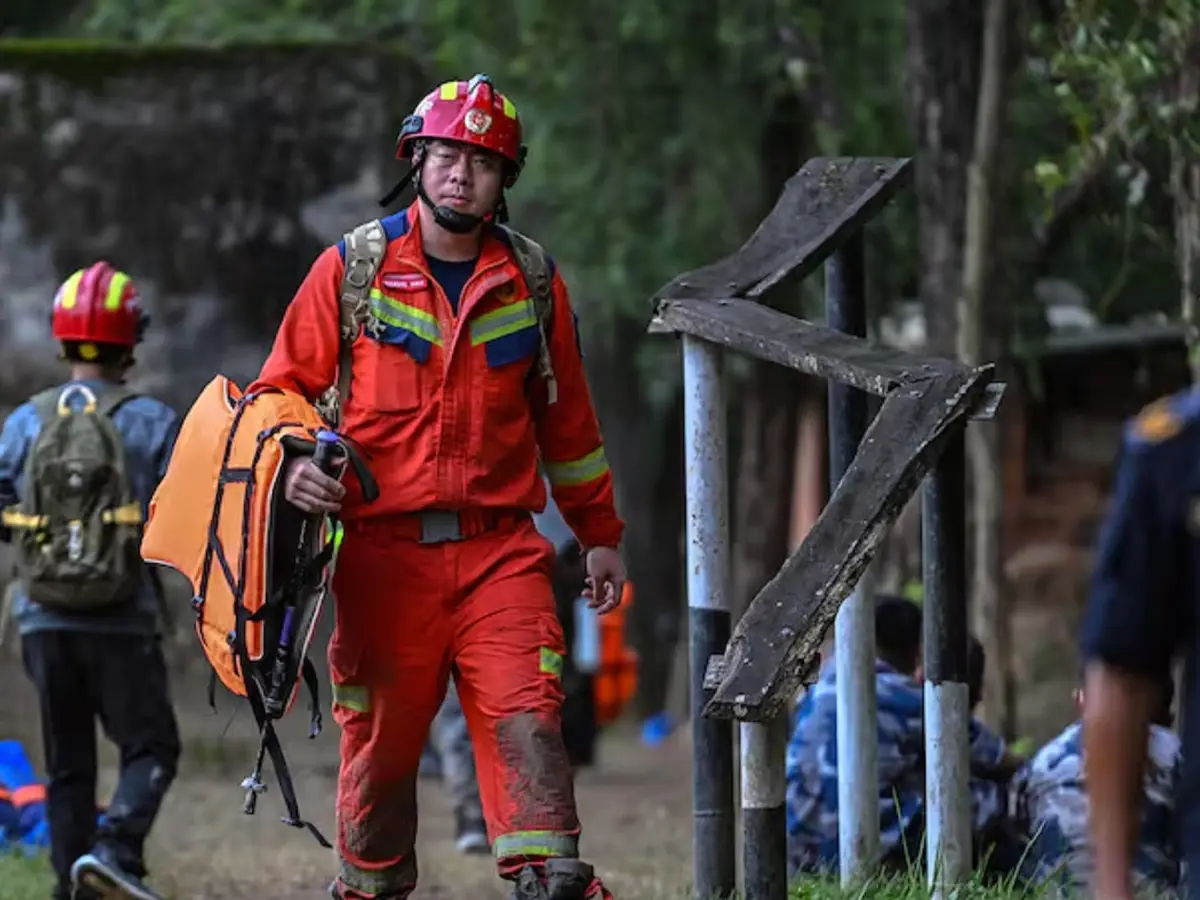
A huge flood of ice, rocks, mud and water swept through Nepal’s mountain valleys.
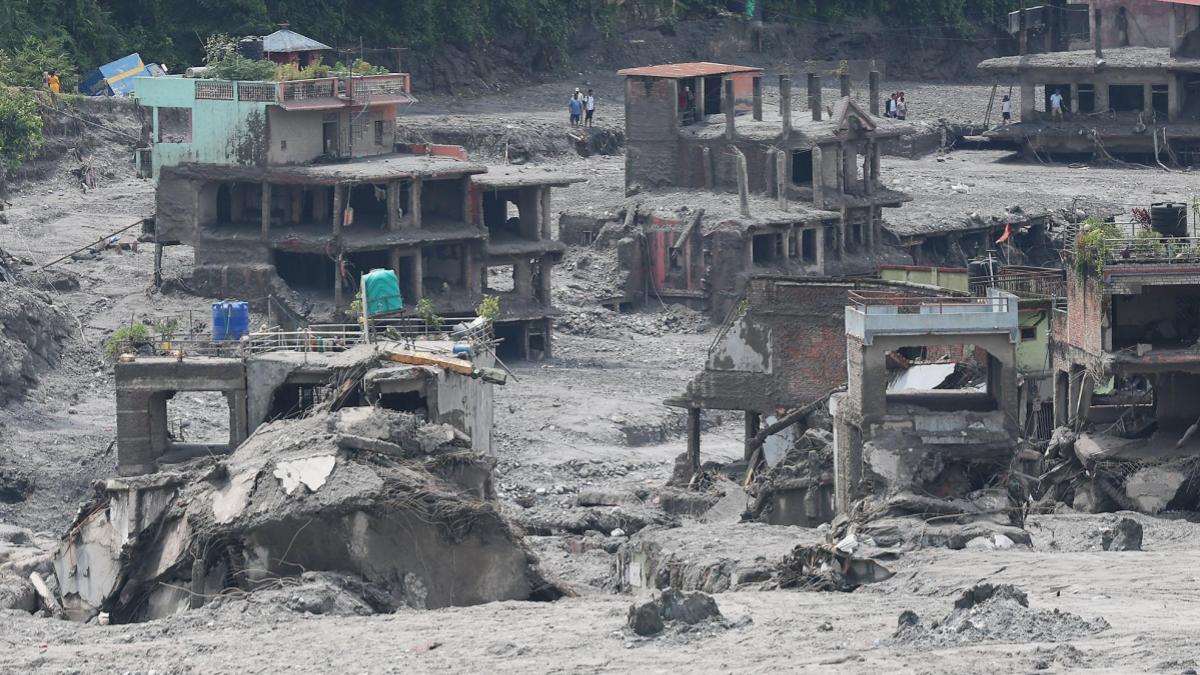
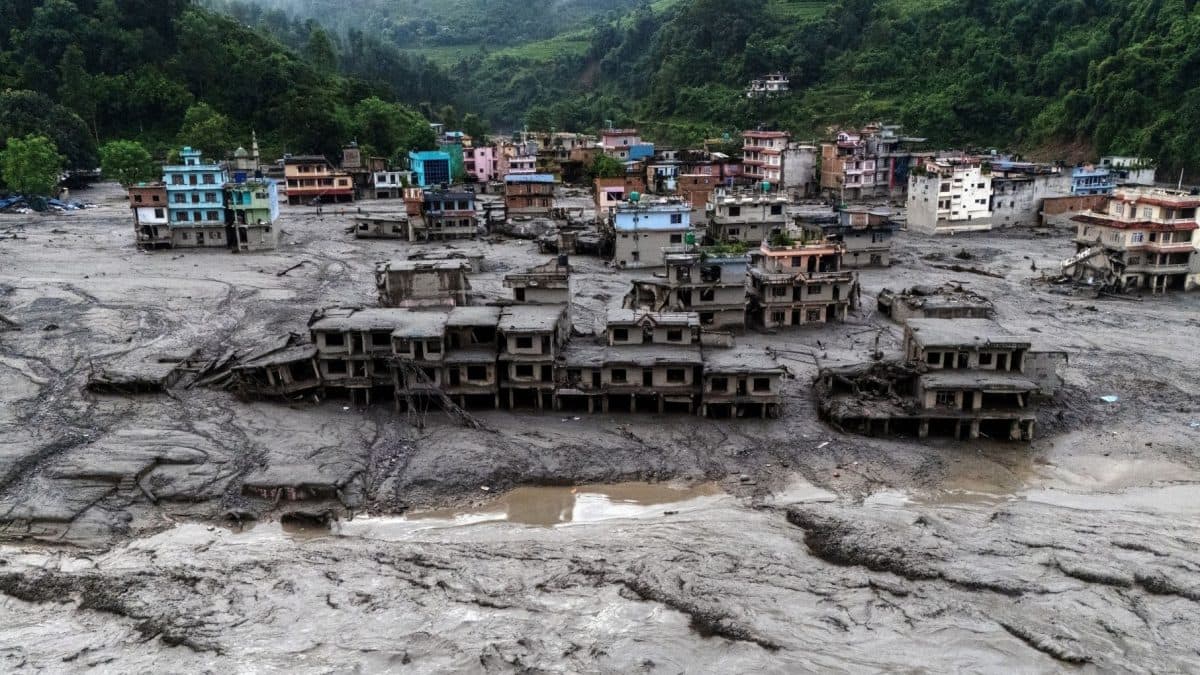
It damaged homes, roads, bridges and hydropower projects.
Hydropower plants make much of Nepal’s electricity, so the damage could cause a second problem after the disaster.
More than 900 people connected to hydropower projects are missing.
Many may be inside tunnels filled with mud and rocks.
Rescue workers are using machines, explosives, ropes, dogs and air pumps to try to reach them.
Experts from China, India and other countries are helping Nepal.
Bad weather, unstable ground and fears of another flood have made the searches dangerous and slow.

Nepal reported 933 people missing from hydropower project sites after floods began on August 26.
More than 600 people were believed trapped in mud-filled tunnels, while 279 had been rescued.
Rescuers used heavy machinery, explosives, ropes, trained dogs and air pumps to reach blocked tunnels.
At least 11 hydropower projects were damaged, with one assessment estimating over 10% of Nepal’s generation capacity was knocked out.
Reported overall tolls varied, with deaths ranging from 788 to 939 and missing people from 2,500 to 4,247.
- Who
- Nepali rescue teams, security personnel, civilian workers, volunteers, and experts from China, India, Korea and Australia are involved in the search.
- What
- A glacier-related flood killed hundreds, left thousands missing, trapped hydropower workers in tunnels and damaged at least 11 hydropower projects.
- Where
- The disaster affected northern and central Nepal, including the Trishuli and Bhotekoshi river valleys, and crossed into China’s Gyirong County and Tibet.
- When
- The flooding began on August 26, and rescue efforts continued on August 31.
- Why
- Preliminary reports linked the flooding to a collapse or avalanche of ice and rock; Chinese state media attributed it to glacier instability and long-term global warming effects.
Nepali Officials’ Concerns
Chinese Authorities’ Position
Cause of the disaster
Nepali Officials’ Concerns
Nepali reports described the event as a glacier-related collapse or avalanche of ice and rock, without establishing a definitive broader cause.
Chinese Authorities’ Position
Chinese state broadcaster CCTV attributed the flooding to glacier instability under the long-term effects of global warming.
Cross-border risk information
Nepali Officials’ Concerns
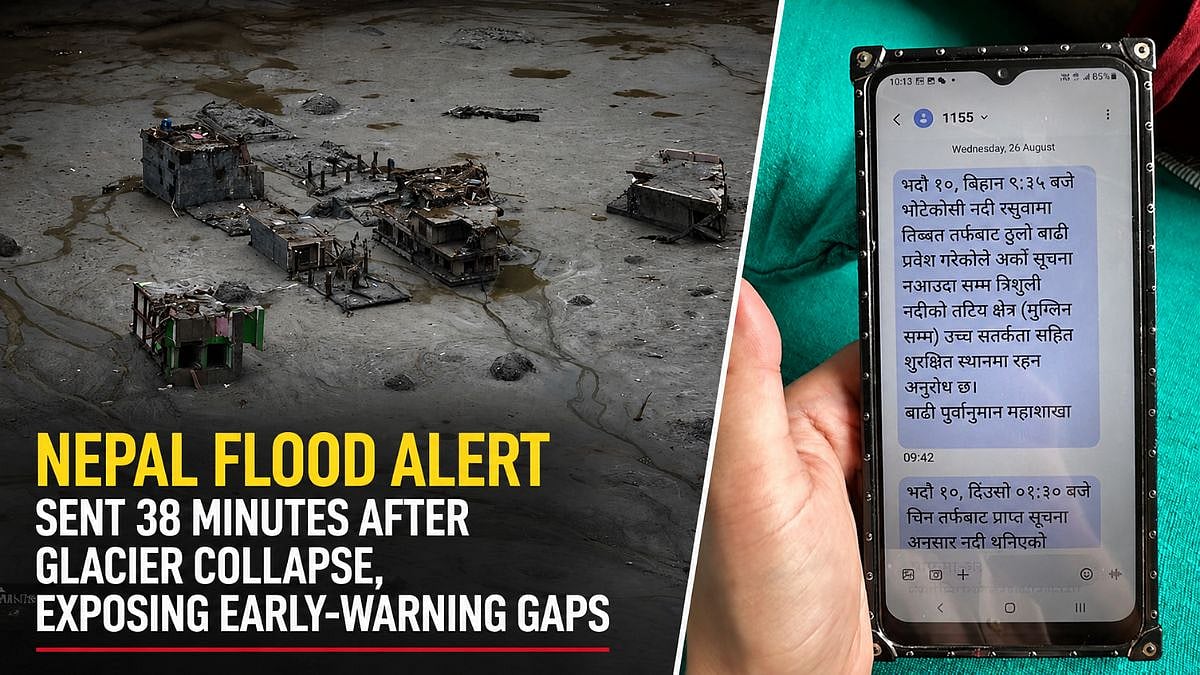
Nepali officials said China had not shared enough information about glacier movements, avalanches, water levels and other risks, and sought more frequent data.
Chinese Authorities’ Position
China’s embassy in Nepal said the countries had made substantial progress in disaster-information sharing and that Chinese teams had provided important information in a timely manner.
Foreign assistance
Nepali Officials’ Concerns
Nepal said it did not generally need foreign search-and-rescue assistance, but accepted specialized tunnel-rescue support from China and India.
Chinese Authorities’ Position
China and India supplied tunnel-rescue expertise, while China also reported sending rescue workers, life-detection equipment, supplies and relief funding.
Key facts
- Hydropower-linked missing people
- Nepal’s disaster management authority reported 933 people missing from hydropower project sites.
- People believed trapped
- More than 600 people were reportedly stranded inside tunnels at various hydropower projects.
- Tunnel rescues
- Authorities said 279 people had been rescued, including 254 from Upper Trishuli-1 and 18 from Langtang Khola.
- Overall reported toll
- Different updates cited 788, 903 or 939 deaths, and between 2,500 and 4,247 people missing in Nepal.
- Infrastructure damage
- The floods damaged at least 11 hydropower projects, 19 bridges and about 40 kilometers of highway.
- Power-sector impact
- A Stimson Center assessment cited by Reuters estimated that more than 10% of Nepal’s power-generation capacity was knocked out.
- Rescue personnel
- Nearly 21,000 security personnel, along with civilian workers and volunteers, were involved in Nepal’s rescue operations.
- Chinese response
- China reported 16 deaths and 546 missing in Gyirong County, and said it mobilized more than 2,100 rescue workers and allocated at least 220 million yuan for relief.
Quotes
Brig. Gen. Raja Ram Basnet
Nepal Army spokesperson
“What we actually wanted from them, and still want, is if there are early movements of glaciers and early movements around that area, we would want to know a bit early”
 financialexpress.com
“A large amount of debris has been deposited and that is posing us a big challenge to open the tunnels. Our main focus is on opening the tunnels.”
financialexpress.com
 theprint.in
Sources
933 hydropower workers missing after Nepal floods: Why nation’s power sector faces a second crisis

Nepal floods: 933 missing from hydropower project sites; rescue efforts intensify
Nepal teams seek hundreds trapped in hydropower tunnels after deadly floods
Rescuers blast hillside in search of over 900 missing hydropower workers; Nepal flood toll surges to 939
Related news

Nepal Searches for 933 Hydropower Workers Missing After Floods
Nepal Flood Death Toll Reaches 955 as Tunnel Searches Continue
Nepal Flood Death Toll Crosses 1,000 as Rescues Continue
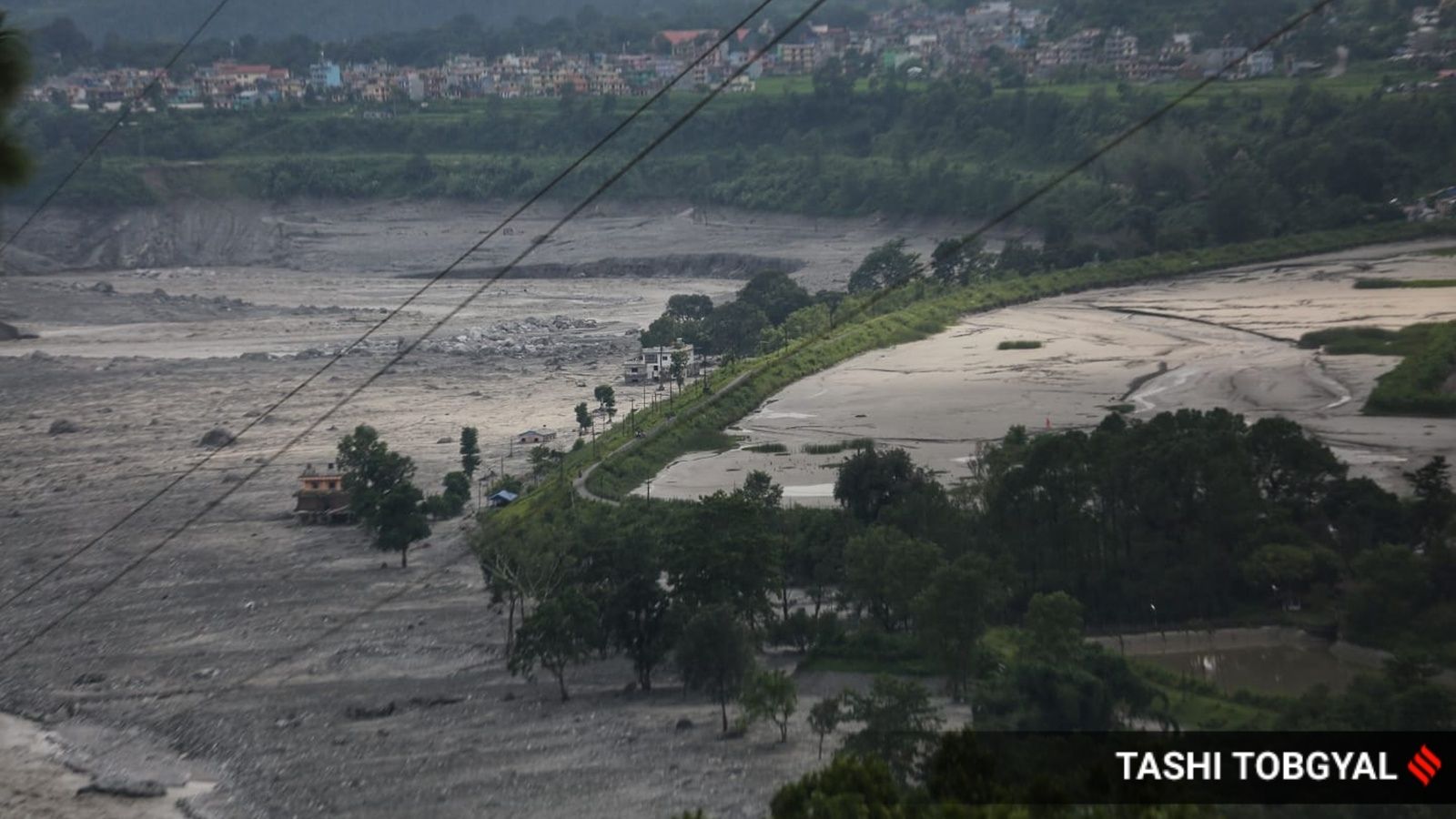
Nepal Intensifies Rescue for Workers Trapped in Hydropower Tunnels
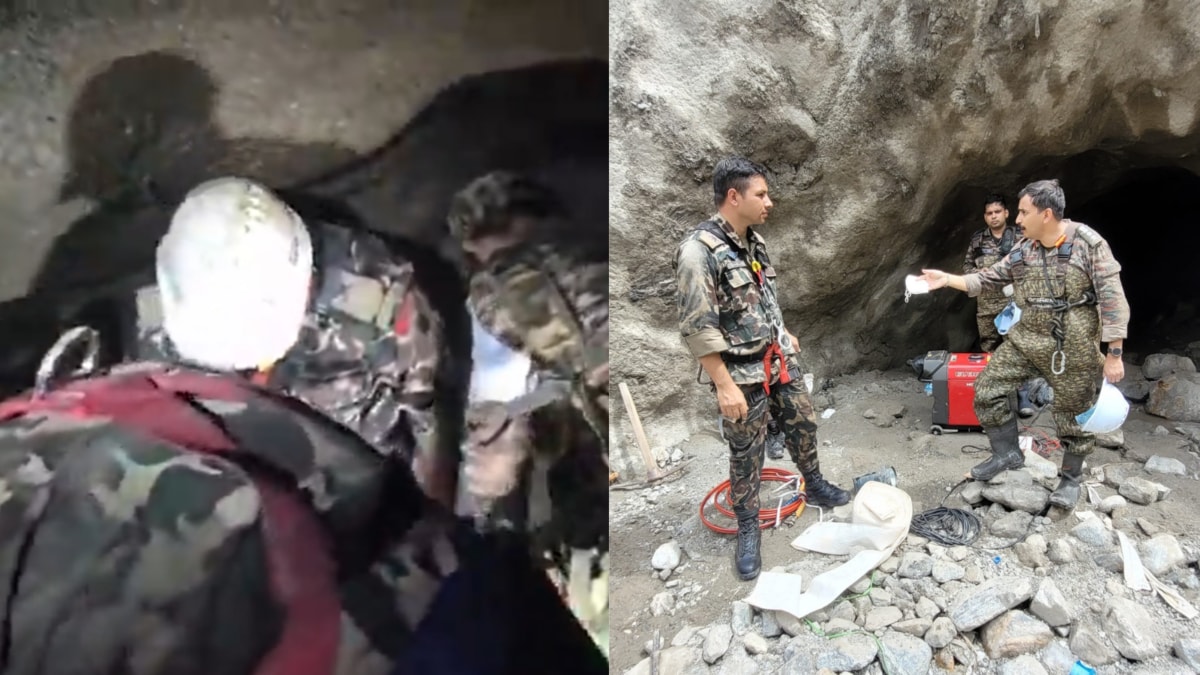
Nepal Tunnel Rescue Race Against Time After Devastating Floods
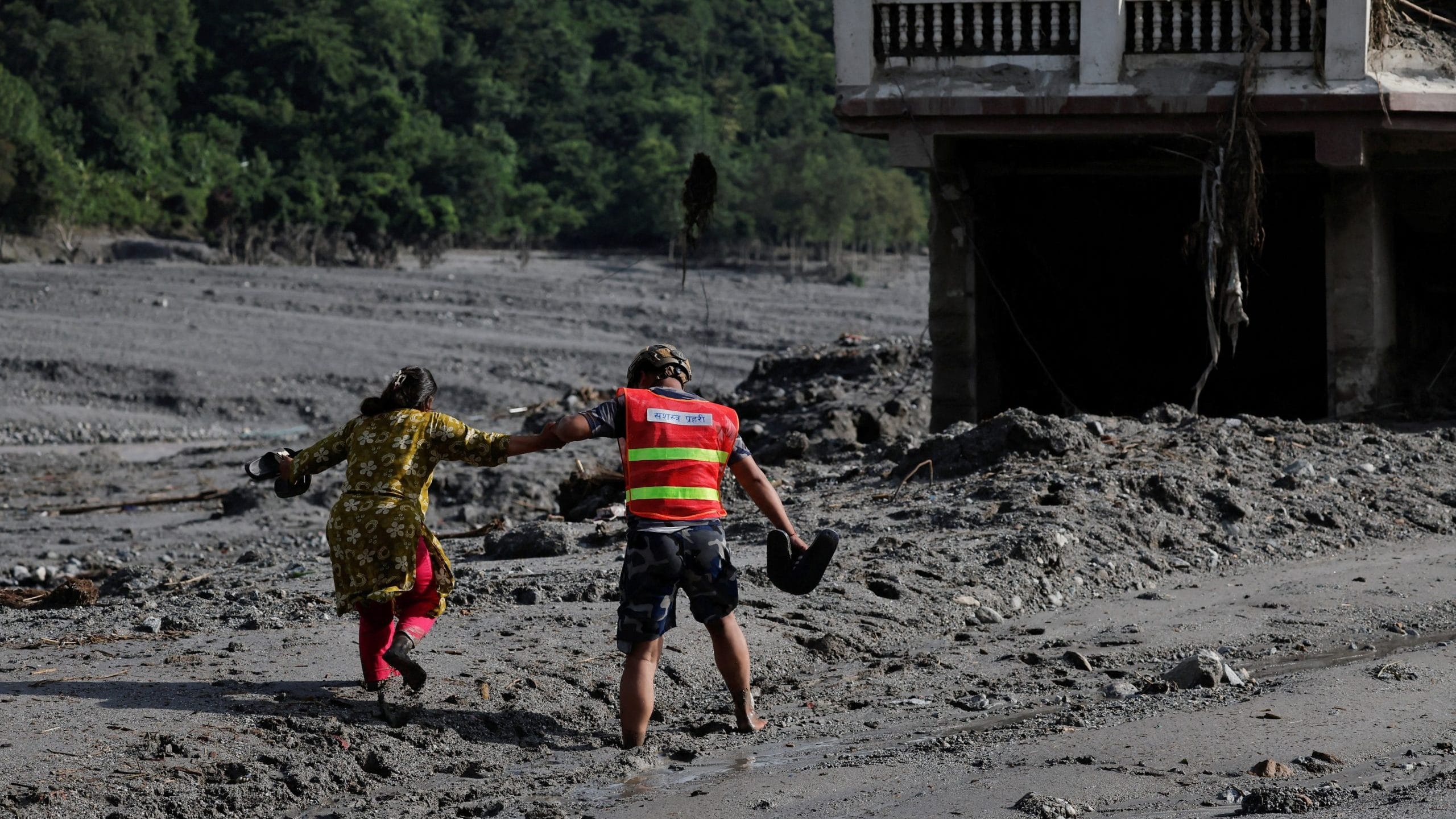
Nepal Flood Toll Rises as Rescue Teams Face More Flooding

Nepal Thanks India as Glacial Disaster Rescue Efforts Continue
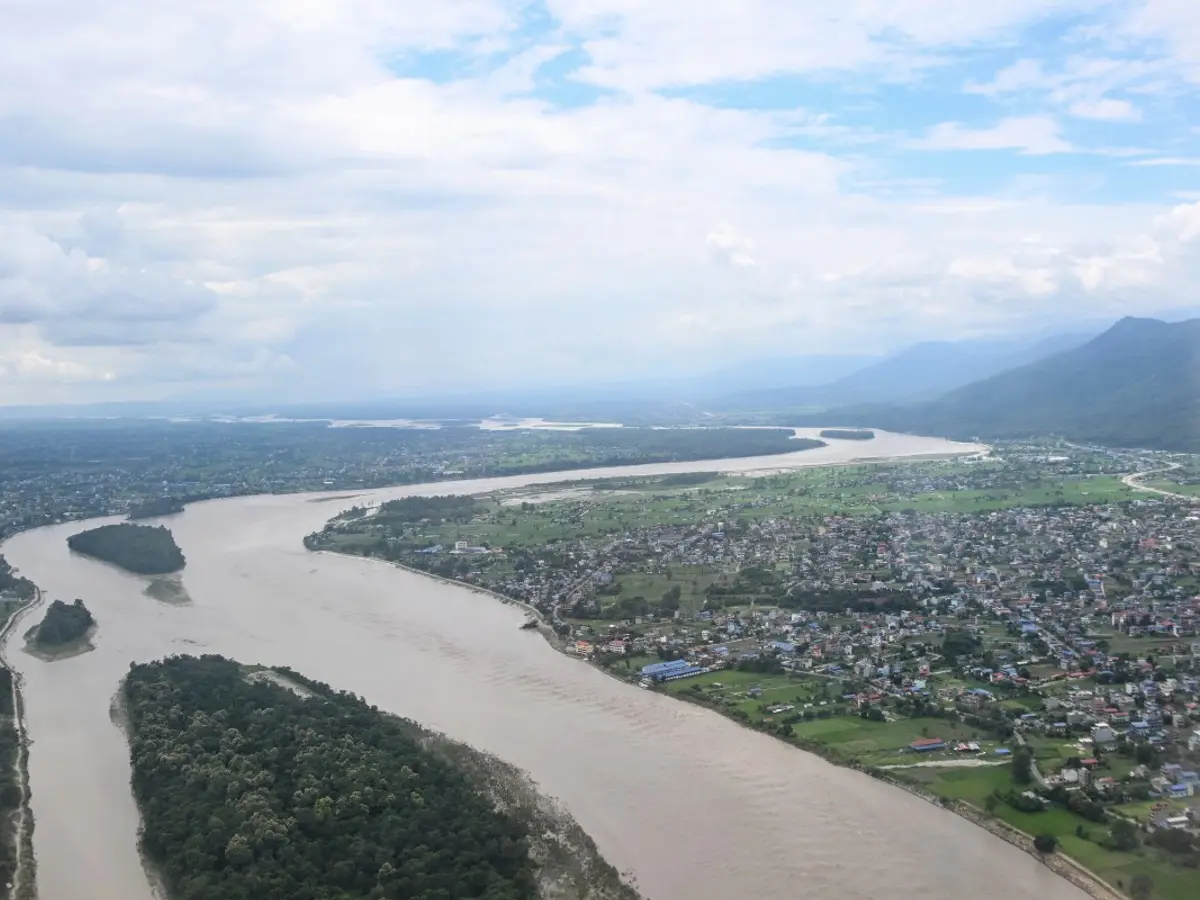
Nepal Warns of Heavy Rain After Deadly Floods
Nepal Flood Exposes Delayed Alerts and Cross-Border Warning Gaps
Bhotekoshi Flood Crisis: Nepal PM Shah Calls for Courage

Nepal PM Thanks India, China Amid Climate Compensation Demand