3 days ago
Indian Experts Join Nepal Rescue For Trapped Hydropower Workers

Flash floods damaged parts of Nepal and trapped or separated workers inside hydropower tunnels.
The floods happened on August 26 after a glacial portion collapsed in the Lhenge Khola river in Tibet, according to one report.
Nepal asked India for help, and an 11-member Indian team arrived with doctors, paramedics and tunnel experts.
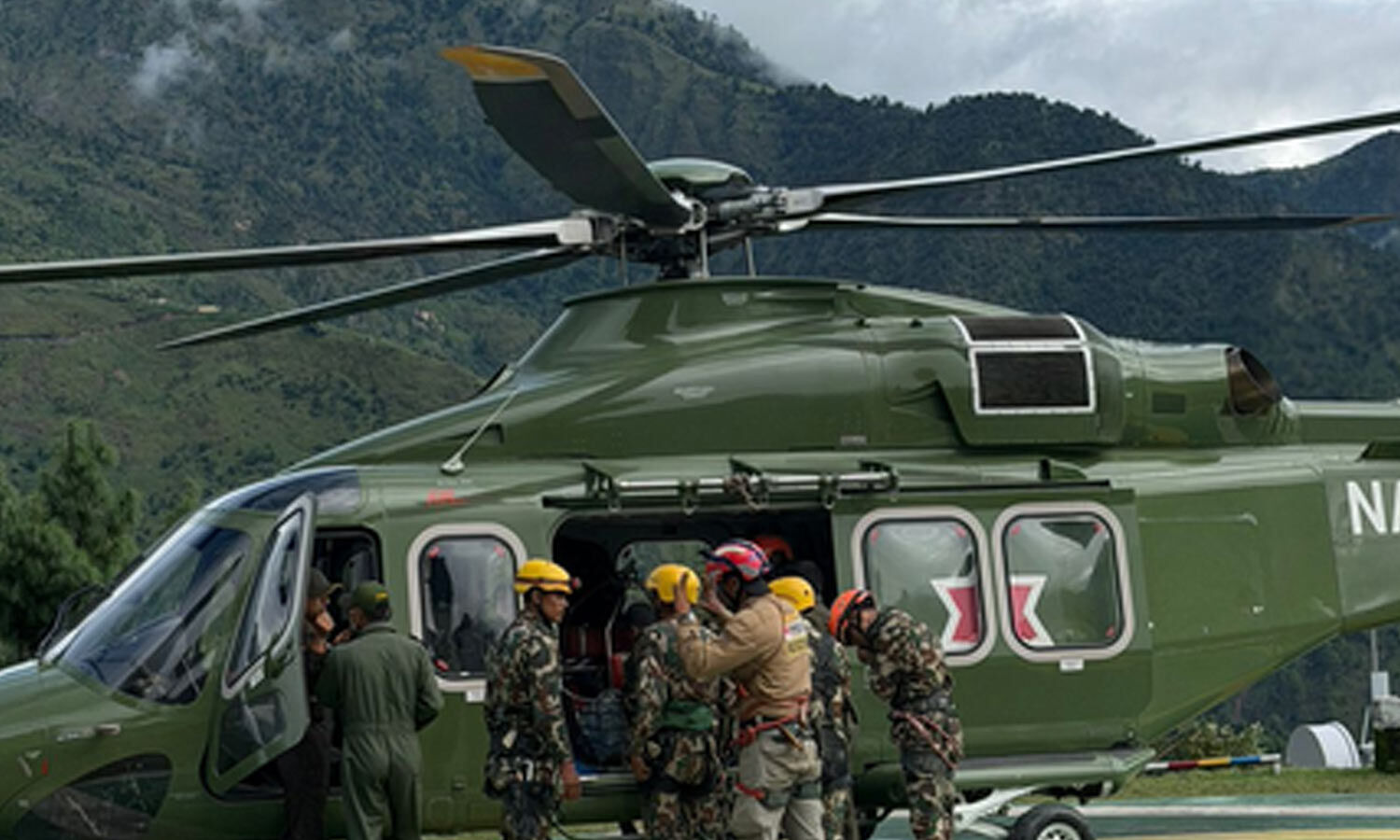
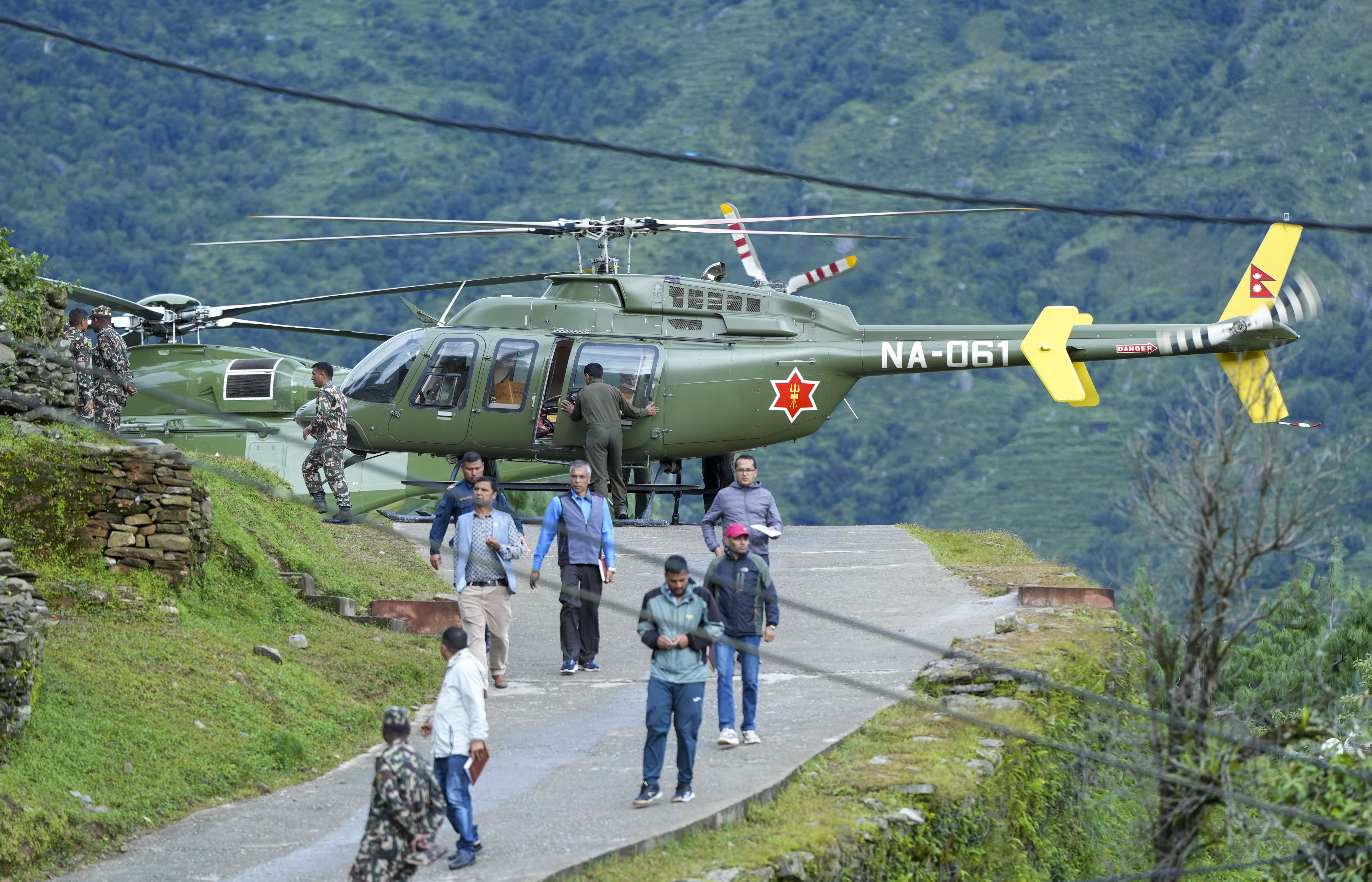
The team flew over the Chilime and Langtang areas and inspected places near Trishuli.
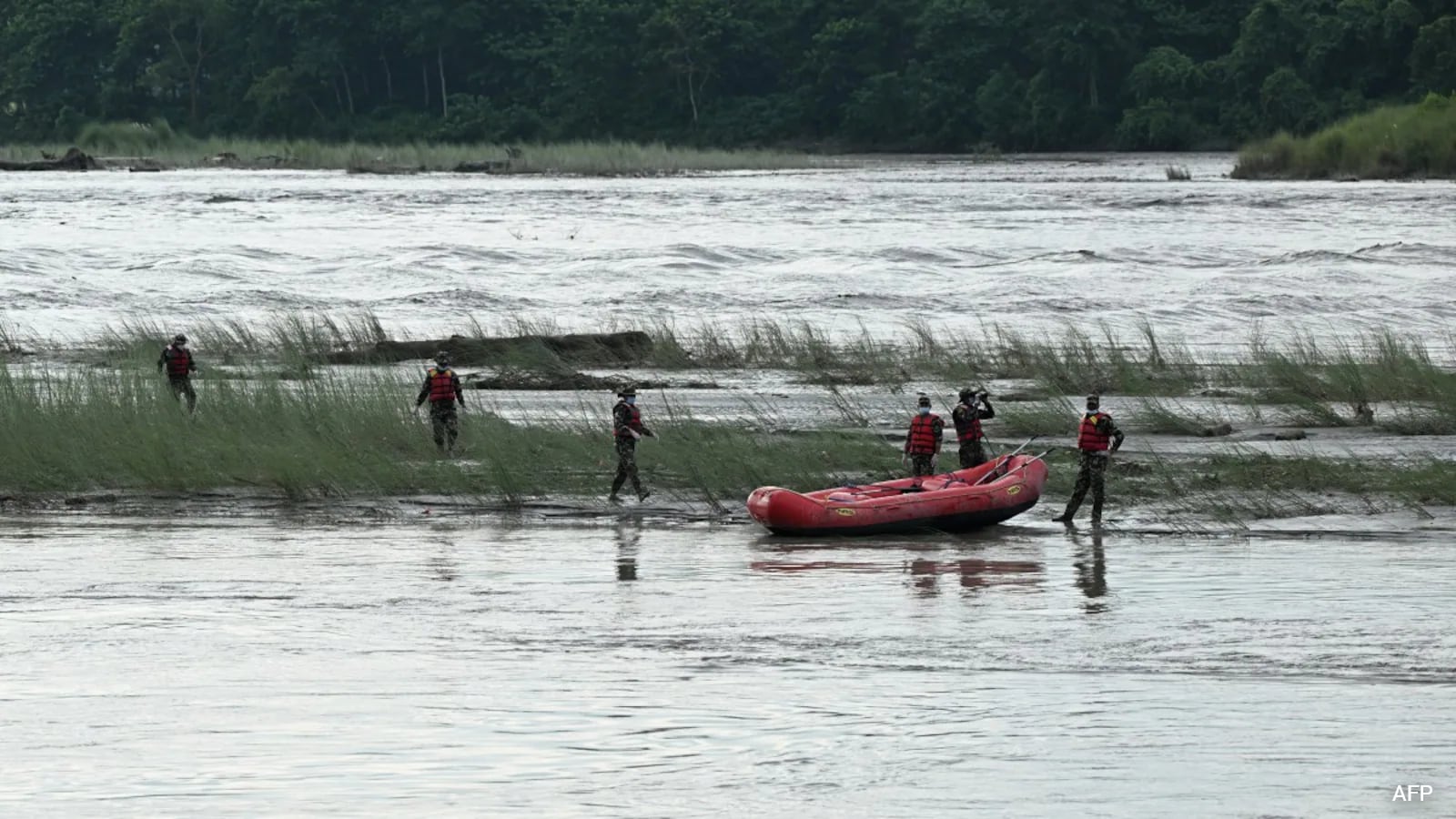
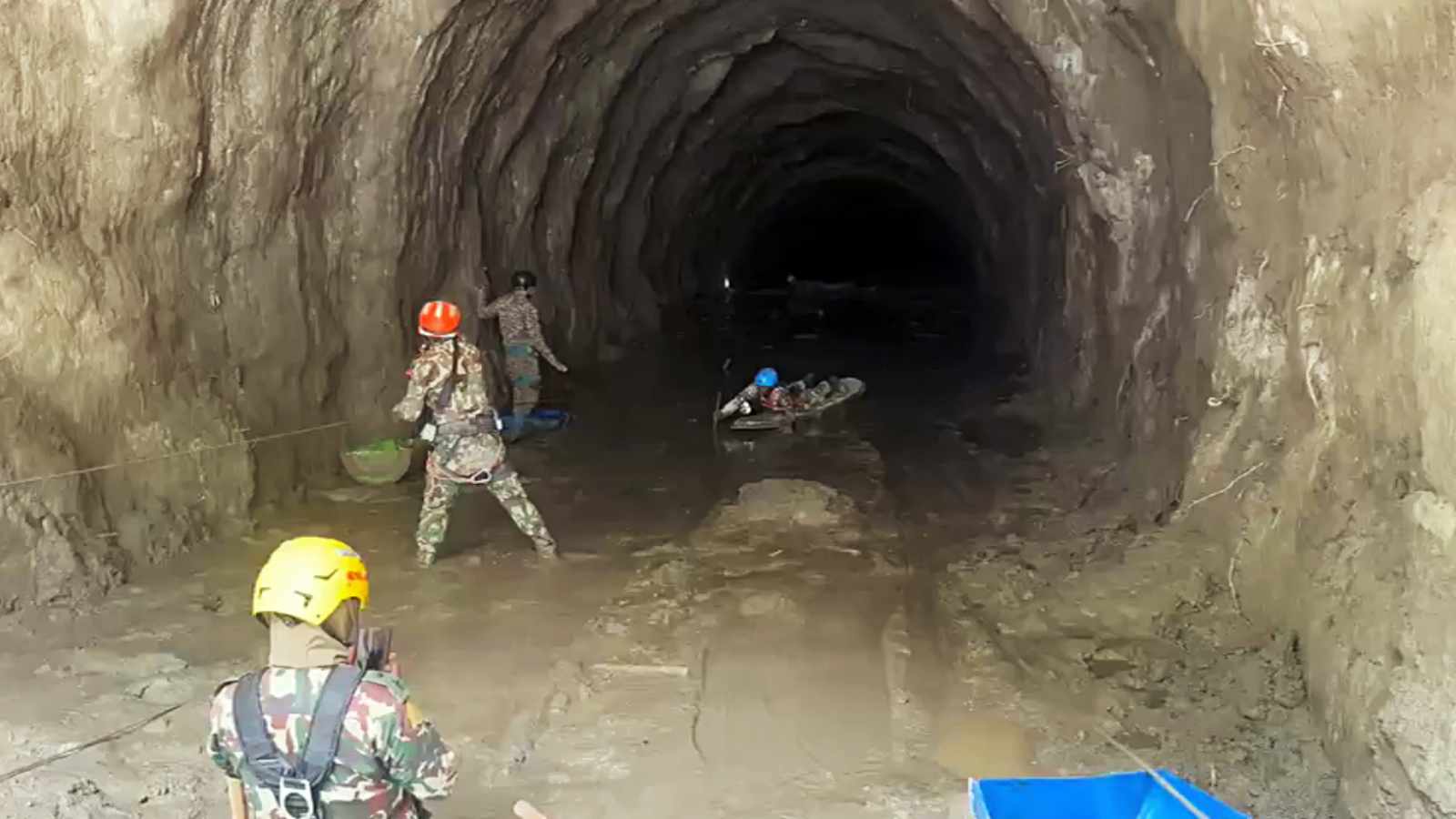
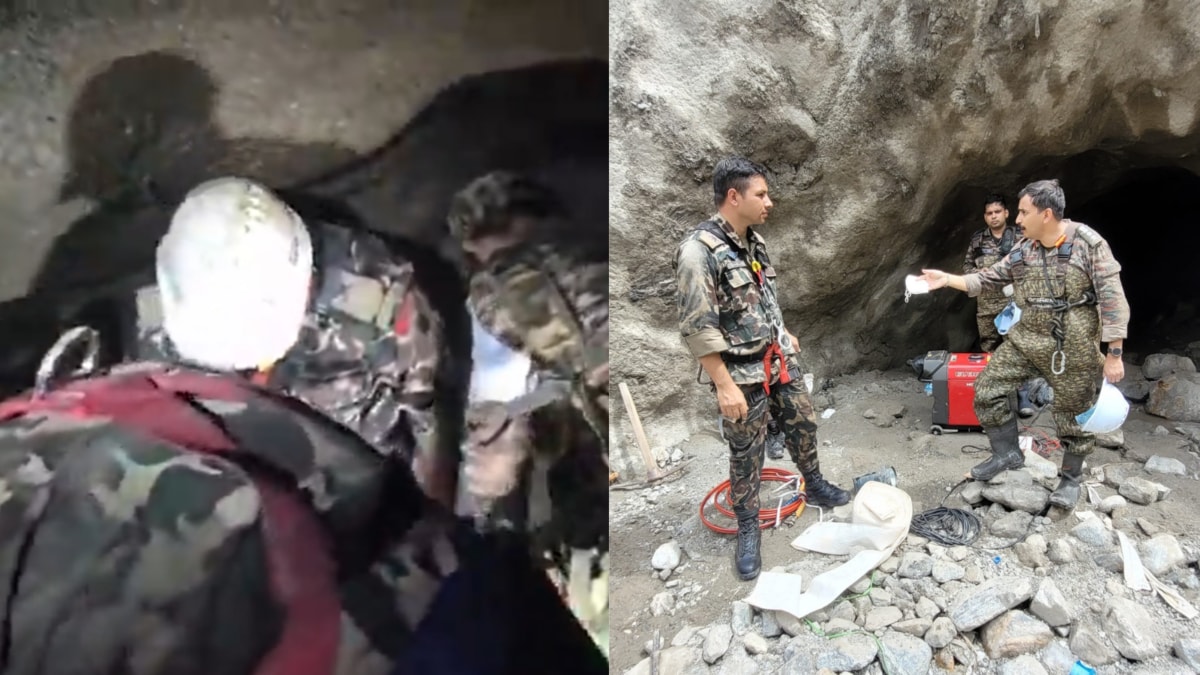
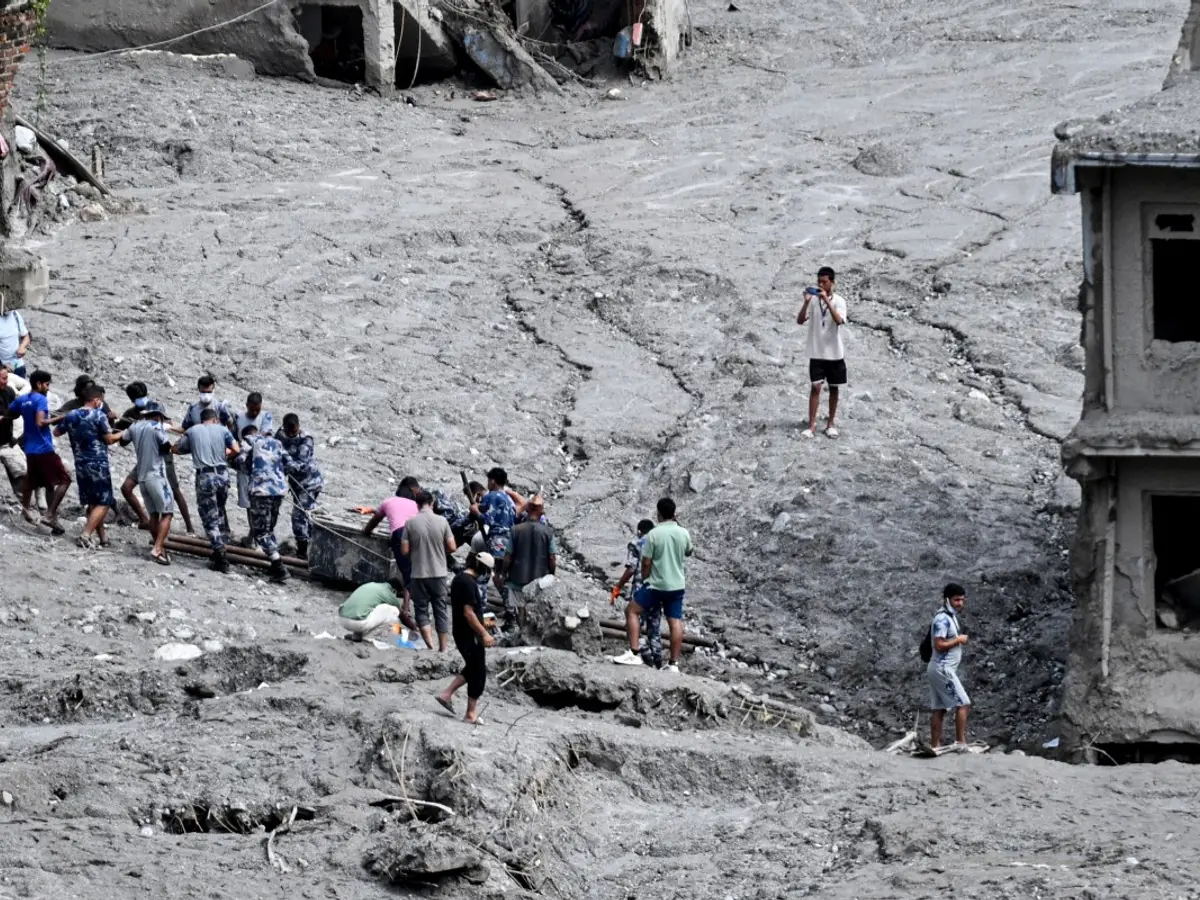
Nepali soldiers and police are digging through mud and debris blocking a tunnel at the Trishuli-3A project.
Bad weather and damaged roads are making the rescue work harder.
Nepal’s Army says 191 workers have been rescued from several tunnels.
The Indian Embassy separately said 88 Indian workers had been rescued, apparently referring to a narrower group.
More than 100 workers are believed to remain trapped at the Upper Trishuli-1 project, so Nepal is also seeking help from other countries.

An 11-member Indian team of doctors, paramedics and tunnel engineers arrived to support Nepal’s rescue operations.
The team surveyed the Chilime, Langtang and Trishuli areas and assessed blocked hydropower tunnels.
An 82-member Nepali security team is clearing mud and debris at the Trishuli-3A project in Rasuwa.
Nepal’s Army reported 191 workers rescued, while the Indian Embassy confirmed 88 Indian workers rescued from Upper Trishuli tunnels.
More than 100 workers may remain trapped, while Nepal seeks foreign help with rescue, forensic work and 42 Bailey bridges.
- Who
- Nepali Army, Armed Police Force and Nepal Police personnel, assisted by an 11-member Indian technical team; China also sent a specialised team.
- What
- Search-and-rescue operations are attempting to reach workers trapped or unaccounted for in hydropower-project tunnels after flash floods.
- Where
- Operations are focused in Rasuwa and Nuwakot, including the Trishuli and Bhotekoshi river corridors and the Upper Trishuli hydropower projects near the Nepal-Tibet border.
- When
- The floods occurred on August 26; the Indian team arrived on Friday or Saturday according to differing reports, and Nepali tunnel-clearing operations began Friday night.
- Why
- Floodwater, mud and debris blocked tunnel entrances, while damaged roads, bridges, communications and adverse weather disrupted access.
Reports Emphasizing Ongoing Danger
Official Reports Highlighting Rescue Progress
Scale of the crisis
Reports Emphasizing Ongoing Danger
Reports say many workers remain unaccounted for, including more than 100 believed trapped at Upper Trishuli-1 and 52 reported trapped in Mailung.
Official Reports Highlighting Rescue Progress
The Nepal Army says security forces have rescued 191 workers from tunnels at various hydropower projects.
Reported rescue totals
Reports Emphasizing Ongoing Danger
The Indian Embassy confirmed that 88 Indian workers had been rescued from tunnel projects in the Upper Trishuli region.
Official Reports Highlighting Rescue Progress
The Nepal Army reported 191 rescued workers overall; the reports do not specify whether the figures cover the same projects or nationalities.
Nepal’s need for foreign assistance
Reports Emphasizing Ongoing Danger
Nepal’s request for specialised teams, forensic and DNA support, and bridge construction reflects the scale of the rescue and reconstruction needs.
Official Reports Highlighting Rescue Progress
Foreign Minister Shishir Khanal said reports that Nepal had rejected international assistance were false and stated that support was required for rescue, relief and reconstruction.
Key facts
- Indian rescue team
- An 11-member team comprising medical personnel, doctors, paramedics and tunnel-rescue specialists arrived to provide technical assistance.
- Main rescue site
- An 82-member Nepali security team is clearing the silt, mud and debris blocking the tunnel entrance at the Trishuli-3A Hydropower Project in Rasuwa.
- Reported rescues
- The Nepal Army reported 191 workers rescued from tunnels at various hydropower projects; the Indian Embassy confirmed 88 Indian workers rescued from Upper Trishuli-area projects.
- Workers still unaccounted for
- More than 100 people are believed trapped in an Upper Trishuli-1 tunnel; another report identified 52 people stuck in the Mailung region.
- Flood impact
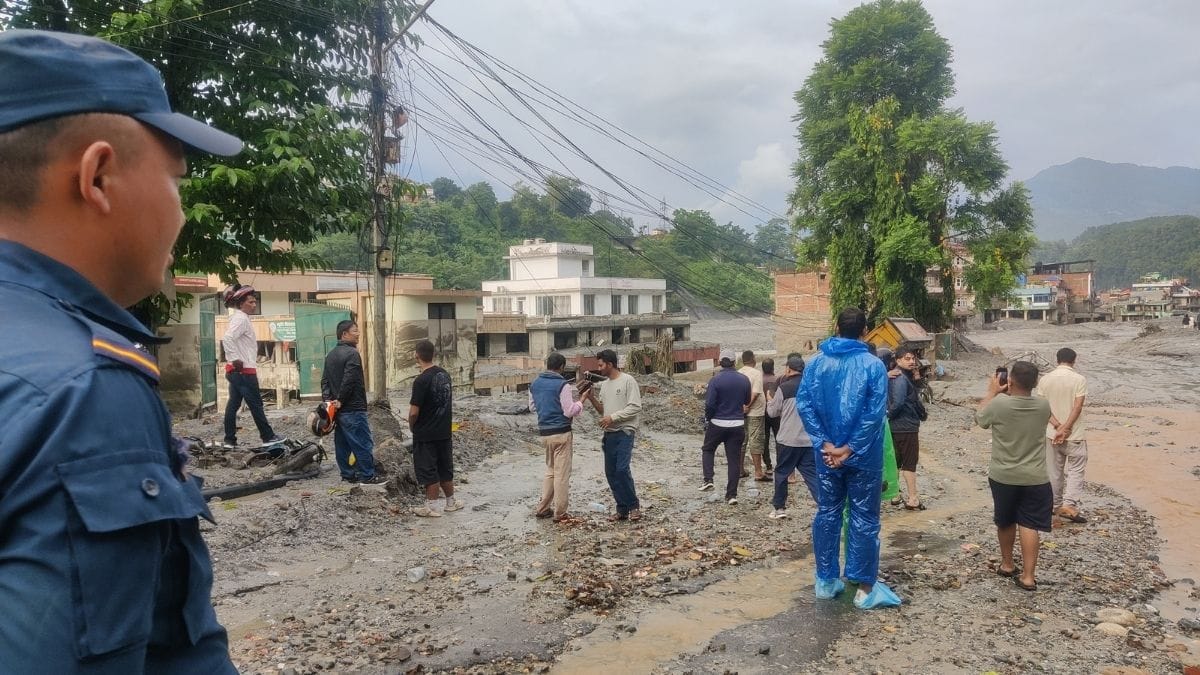
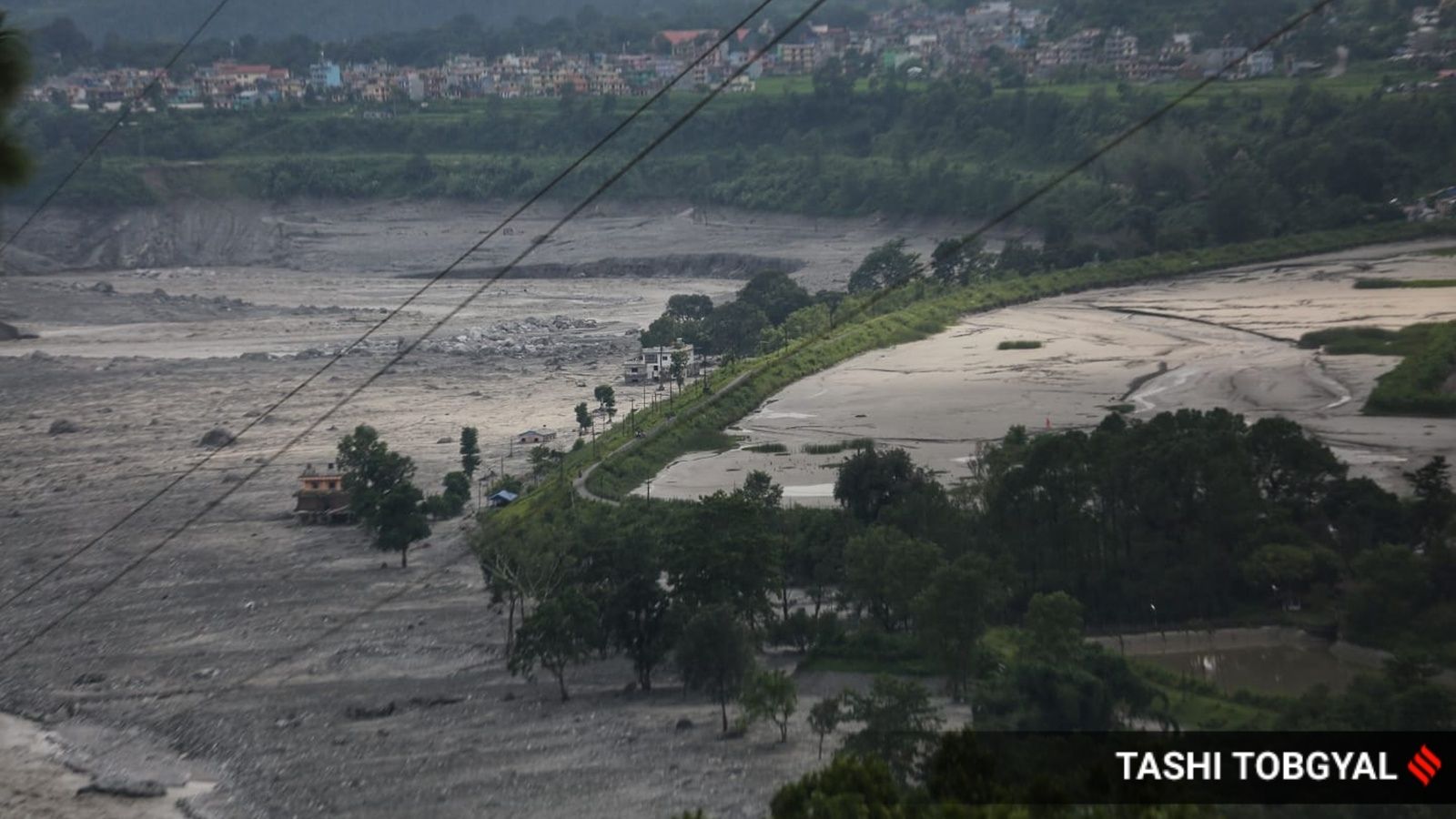
- Reports said the floods killed hundreds, left thousands missing and damaged roads, bridges, settlements and hydropower infrastructure; one report cited more than 630 deaths and over 2,400 missing.
- International assistance
- Nepal requested specialised support for tunnel rescue, DNA testing and forensic work; India and China were also asked to help build 42 Bailey bridges.
- Rescue obstacles
- Mud, debris, adverse weather, destroyed access roads and disrupted communications have complicated operations, with some missions conducted by helicopter.
Quotes
Indian Embassy in Kathmandu
India’s diplomatic mission in Nepal
“We have seen some false reports circulating in national and foreign media that Nepal has rejected international assistance and support. The scale of devastation is extremely huge, and support and assistance are required, not just in the phase of rescue and relief, but more so in the phase of reconstruction.”
 theprint.in
“Today, a specialised technical team from India carried out on-site reconnaissance of hydropower tunnels in the area affected by the flash flood, which will help in facilitating early search and rescue of stranded individuals.”
theprint.in
Savita Shrestha Adhikari
A 40-year-old woman from Bidur whose husband is missing in a hydropower tunnel
“I told them my husband is stuck in a tunnel; he was a civil engineer with a Korean company, Doshan. They told me they are rescuing him, but I doubt they’ve even gone to the tunnel yet.”
theprint.in
Sources
Nepal floods: India’s expert team conducts assessment of hydropower tunnels for rescue ops
88 Indian workers rescued by Nepal army. 11-member Indian team arrives to help
Indian experts join effort to rescue workers trapped in tunnel after Nepal flash floods
Indian tunnel rescue experts join effort to reach trapped workers in Nepal’s hydropower projects

Indian experts join rescue of trapped workers in Nepal power projects
Related news
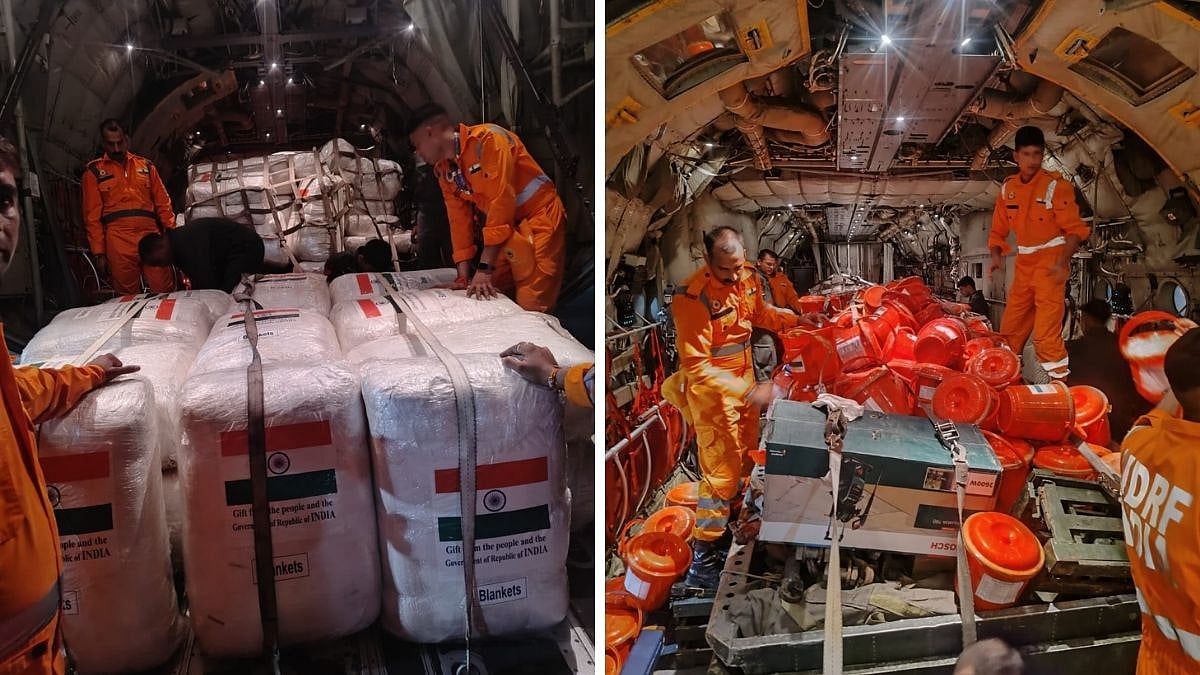
India Sends Relief, Tunnel Experts and Bridges to Flood-Hit Nepal
Nepal Intensifies Rescue for Workers Trapped in Hydropower Tunnels
Indian, Nepali Teams Intensify Search in Flooded Hydropower Tunnels
Nepal Flash Flood Rescue Teams Race to Reach Trapped Workers
Nepal Tunnel Rescue Race Against Time After Devastating Floods

Indian Rescuers Join Nepali Army at Flood-Hit Tunnel Sites

Nepal Thanks India as Glacial Disaster Rescue Efforts Continue
Nepal PM Thanks India, China Amid Climate Compensation Demand
Nepal Floods Kill 1,010 as 4,000 Remain Missing

Nepal Seeks Climate Compensation After Deadly Floods
Nepal-Tibet Glacial Floods Kill 939 as Rescues Enter Day Six