2 days ago
Nepal Tunnel Rescue Race Against Time After Devastating Floods
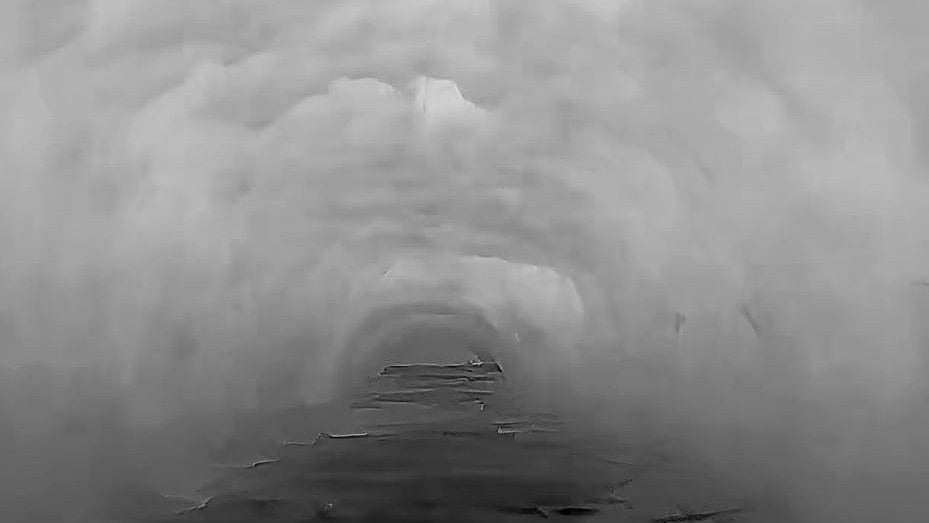
A huge flood sent water, mud and rocks into hydropower tunnels in northern Nepal.
Many workers were missing after the disaster.
The army says 279 people were rescued from places near the tunnels, but nobody has yet been rescued from inside one.
Some bodies have been found, and teams are still searching.
Thick mud blocks the tunnel entrances and makes movement difficult.
Rain and damaged roads and bridges make it hard to bring rescuers and machines to the sites.
Workers underground may also face a lack of air, water and safe space.
Nepalese rescuers and specialists from India, China and other experts are working quickly because the chance of survival may decrease over time.

Flash floods and landslides on August 26 buried hydropower tunnels along Nepal’s Trishuli River corridor in mud, rocks and debris.
Nepal reported 933 missing hydropower workers and employees, while an industry estimate put tunnel-related missing people at about 897.
The Nepal Army said 279 people were rescued from areas near tunnels, but none were rescued from inside them.
Rescuers recovered two bodies from the Chilime project and one from Upper Trishuli 1; searches continue at 12 tunnels.
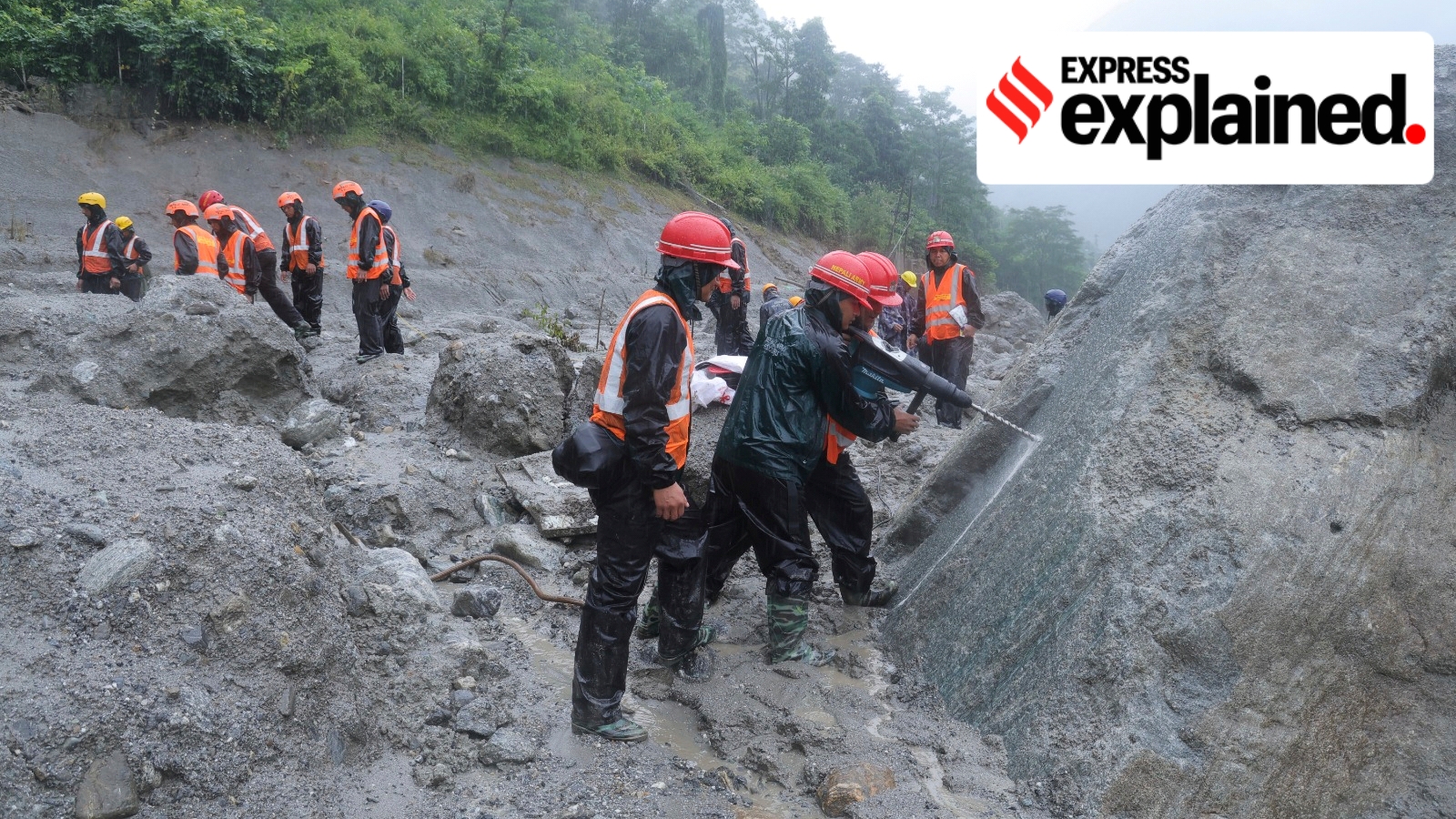
Mud, possible flooding, poor air supply, bad weather and destroyed roads and bridges are slowing efforts by Nepali, Indian and Chinese teams.
- Who
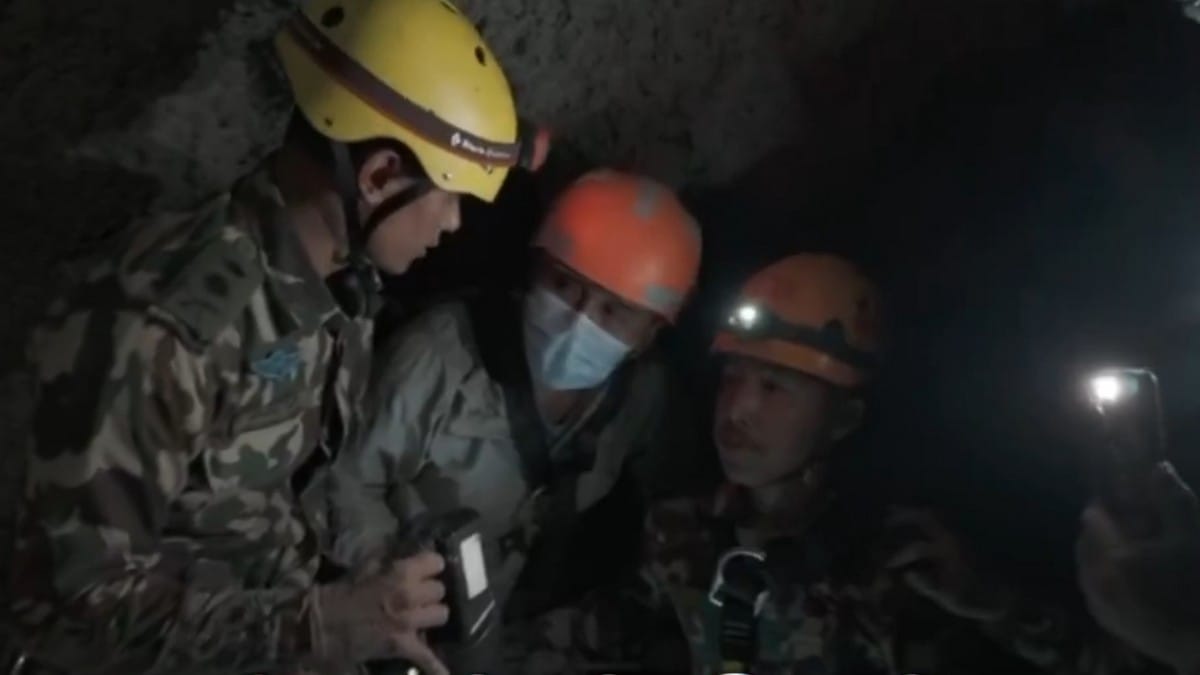
- The Nepal Army and other security personnel, assisted by Indian and Chinese specialists and Australian geologist Arnold Dix, are conducting the searches.
- What
- Rescue teams are searching flooded hydropower tunnels for missing workers and recovering bodies.
- Where
- The affected projects are along Nepal’s Trishuli River corridor, including sites in Rasuwa and Nuwakot districts.
- When
- The floods struck on August 26; operations were in their sixth day on August 31, with further reporting on September 1.
- Why
- Flash floods and landslides filled tunnel entrances and passages with mud, rocks and water and damaged roads, bridges and other infrastructure.
Reasons for Hope
Reasons for Concern
Possibility of survivors
Reasons for Hope
Officials and industry representatives said they remained hopeful and continued clearing debris, supplying air, using drones and deploying specialist teams.
Reasons for Concern
Experts said the chances of finding survivors were diminishing because rescuers had made no contact with people inside, phone batteries may have died and mud-filled tunnels may have little oxygen.
Rescue methods
Reasons for Hope
Teams can use excavators, drills, pumps, controlled blasts, ventilation and openings through tunnel doors or walls to reach possible survivors.
Reasons for Concern
Drilling or breaching blockages could destabilize tunnels or release trapped water, while further flooding, contaminated water and falling debris could endanger workers and rescuers.
Extent of the missing-worker crisis
Reasons for Hope
The continued search across 12 tunnels reflects the possibility that workers escaped, reached safer areas or remain alive in enclosed sections underground.
Reasons for Concern
The reported figures are not identical: authorities counted 933 missing hydropower workers and employees across multiple projects, while IPPAN estimated about 897 missing across the 12 tunnels; neither figure confirms that all are underground.
Key facts
- National disaster figures
- Nepal’s National Disaster Risk Reduction and Management Authority reported 903 deaths and 4,247 missing people, including 933 hydropower workers and employees.
- Tunnel-related estimate
- The Independent Power Producers Association of Nepal estimated that about 897 people remained missing across 12 tunnels—six in Rasuwa and six in Nuwakot.
- People rescued
- The Nepal Army reported that 279 people were rescued from around or near the affected tunnels, not from inside them.
- Upper Trishuli 1
- About 576 people were initially reported missing; approximately 254 reached safety and were evacuated, while around 300 were still expected to be inside.
- Bodies recovered
- Two bodies were recovered from the Chilime project and one from the Upper Trishuli 1 project.
- Rasuwagadhi search
- A rescue team and drones searched the Rasuwagadhi tunnel, where 93 people were feared missing, but found no survivors or trace of workers.
- International assistance
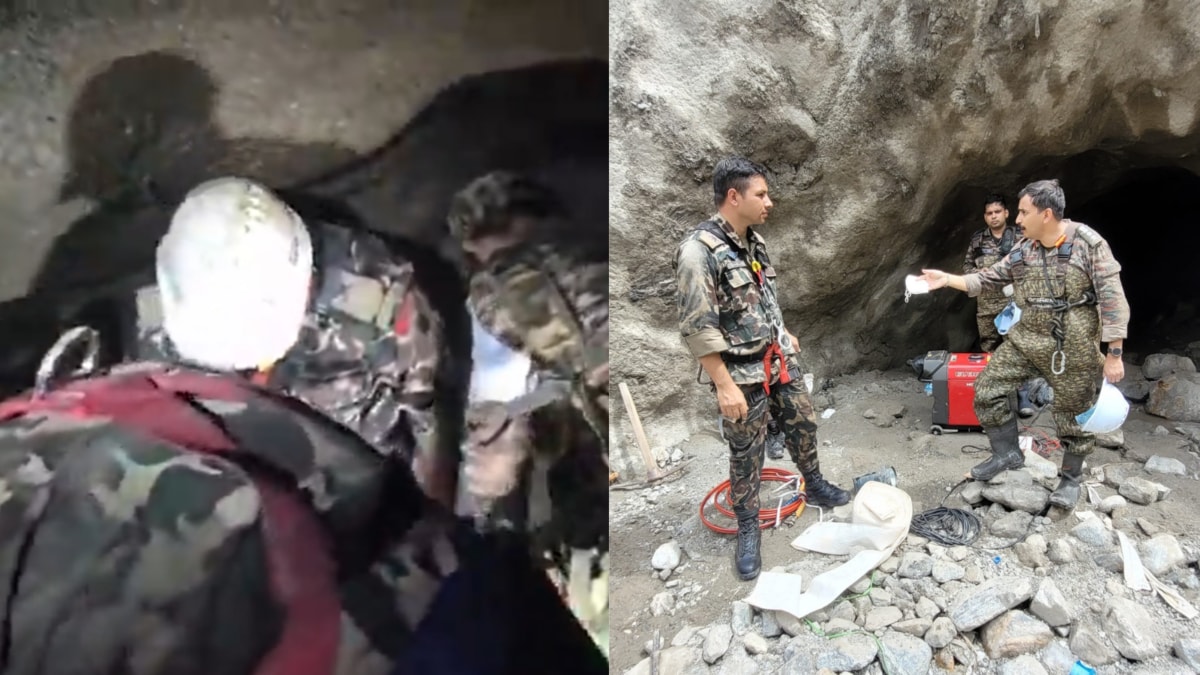
- An 11-member Indian team assisted with the rescue, while Chinese specialists and Arnold Dix also supported Nepal’s efforts.
Quotes
Brigadier General Rajaram Basnet
Nepali Army spokesperson
“We haven’t established contact with any people within the tunnels, because firstly the network won’t work inside and even if it did, by now their phone batteries would have died. But we are still hopeful, and want the workers to be rescued swiftly.”
 theprint.in
“This was not a normal flood with water; this was a deluge with mud and debris. Usually, hydropower projects and tunnels are built with resilience for 1-in-100-year floods, but this is a 1-in-1000-year deluge.”
theprint.in
Sources
Related news
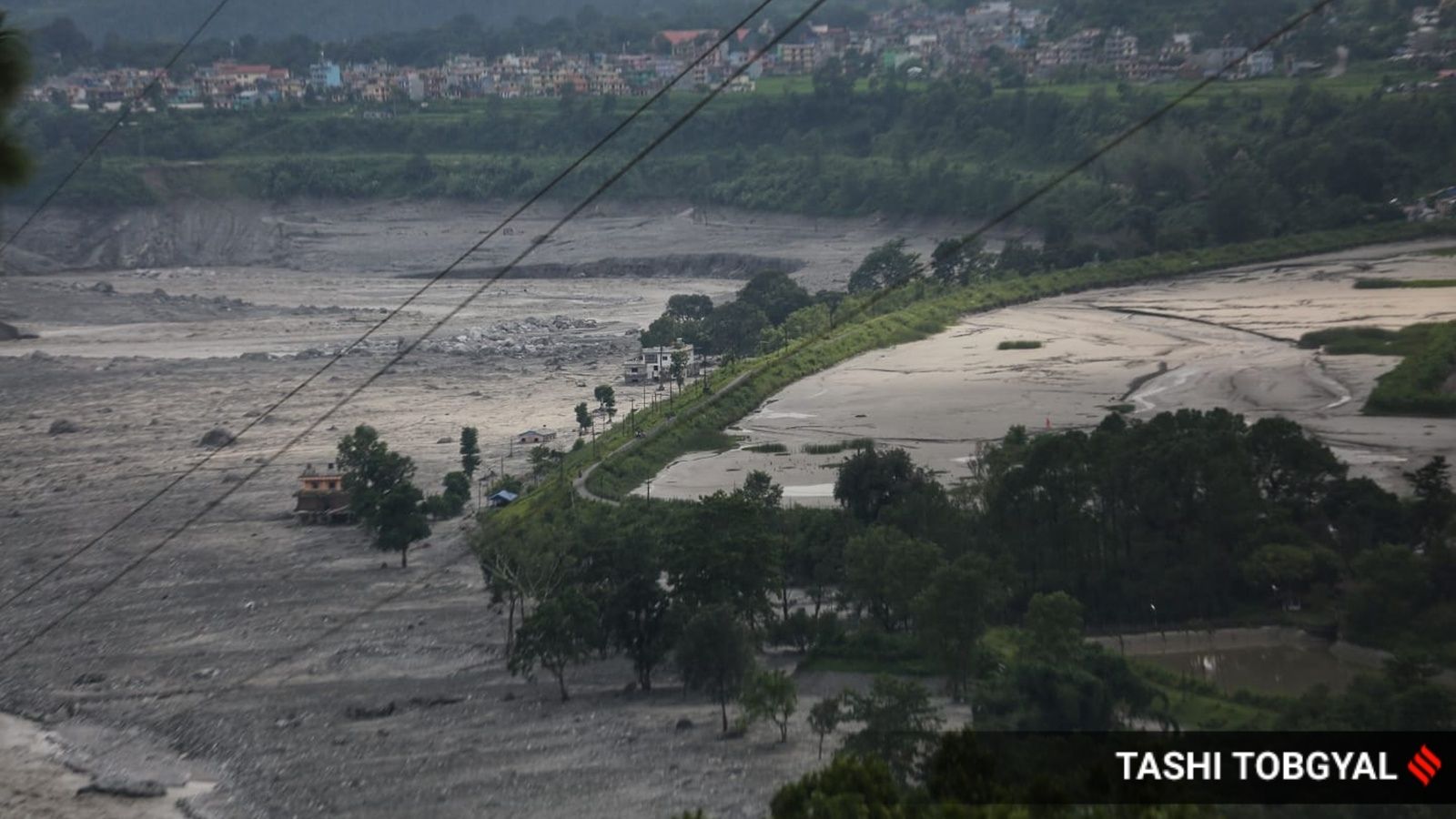
Nepal Intensifies Rescue for Workers Trapped in Hydropower Tunnels
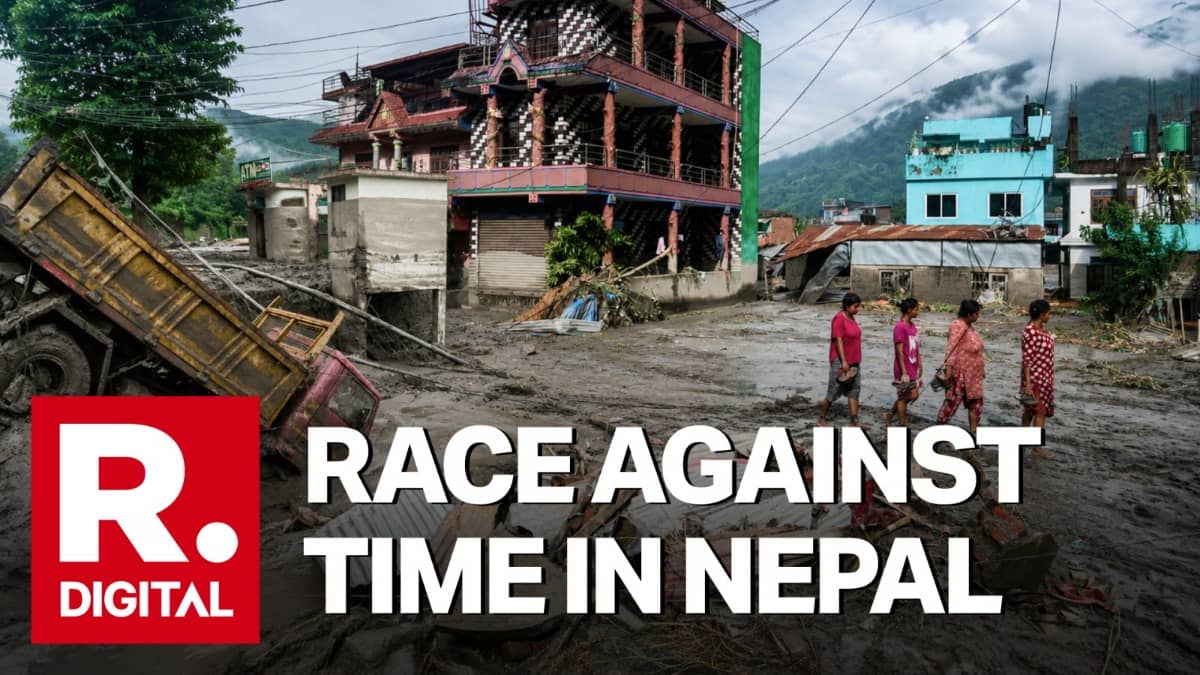
Nepal Searches for 933 Hydropower Workers Missing After Floods
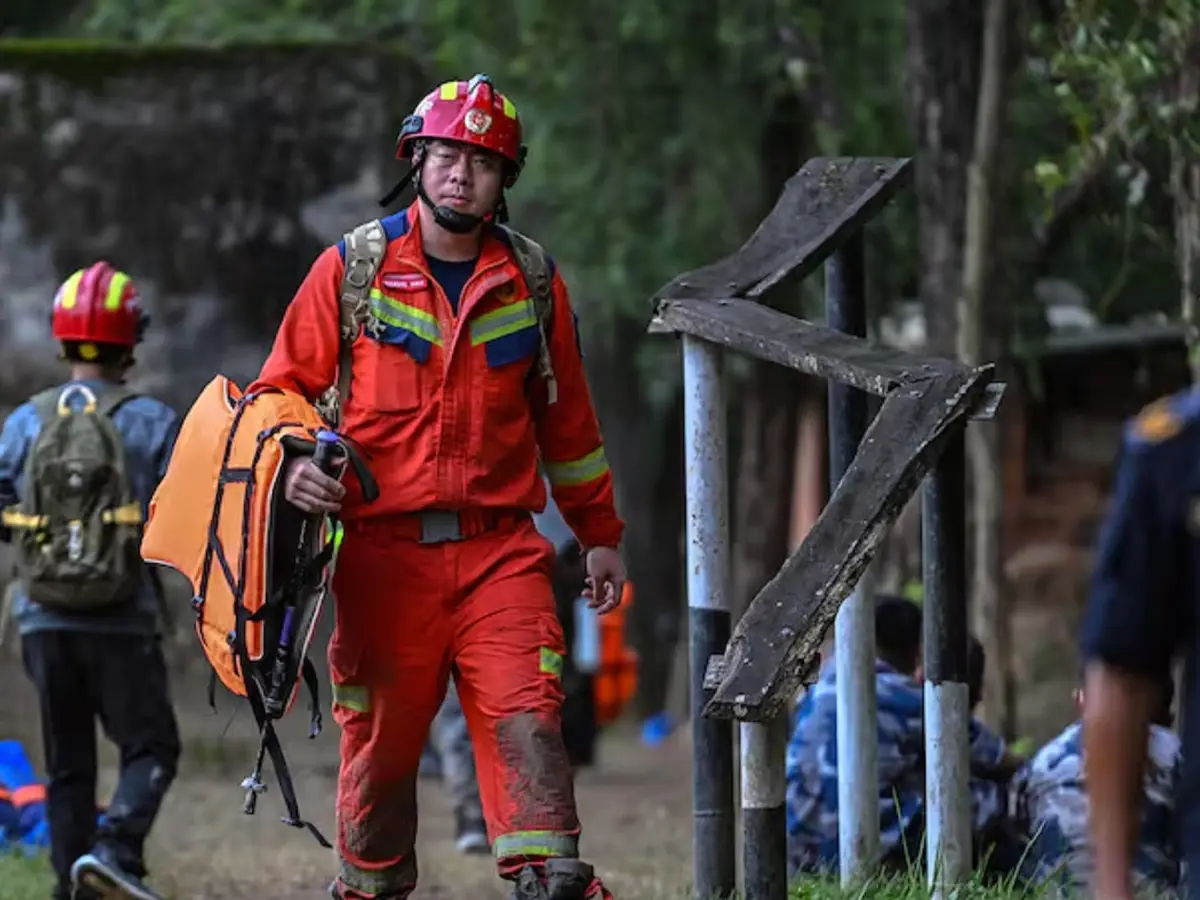
Nepal Floods Leave 933 Hydropower Workers Missing in Tunnels
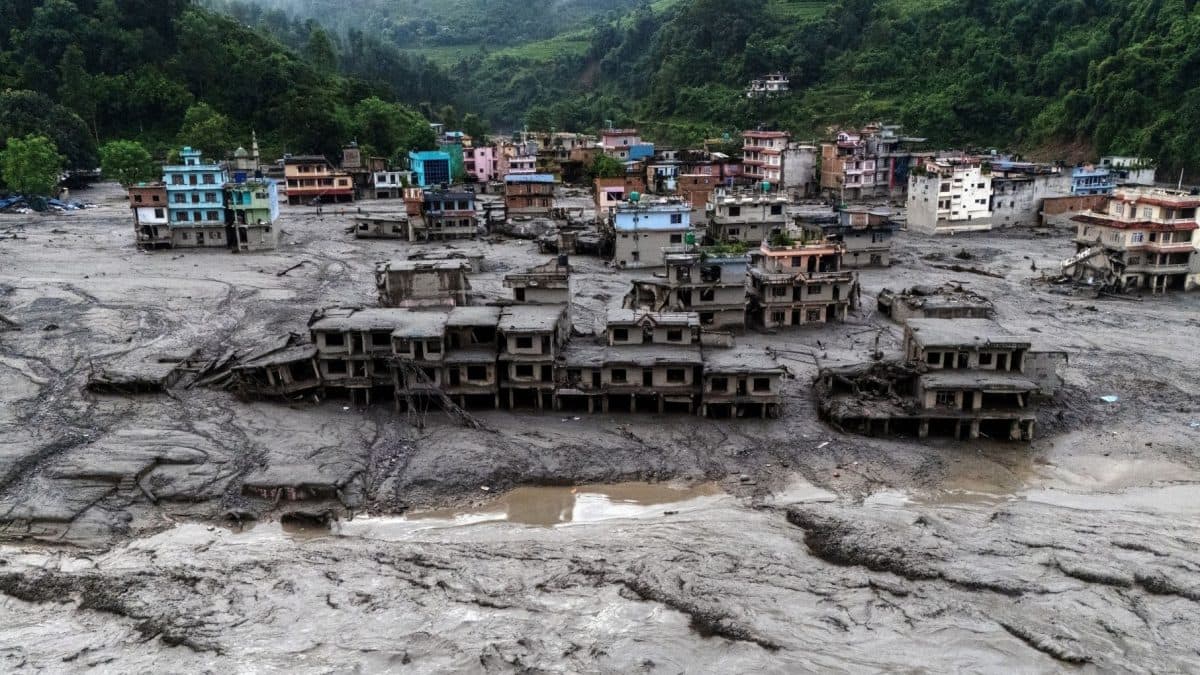
Nepal Flood Death Toll Reaches 955 as Tunnel Searches Continue

Indian Experts Join Nepal Rescue For Trapped Hydropower Workers