3 weeks ago
US Announces 15% Tariff on Polysilicon to Counter China
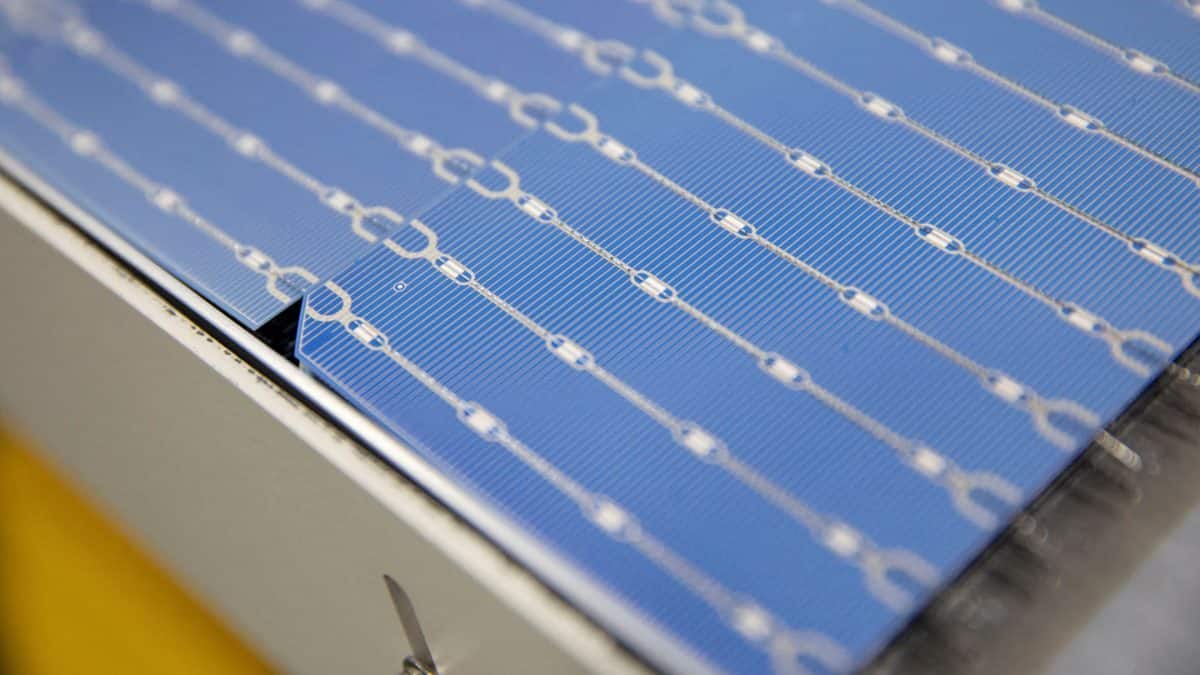
The United States is planning new rules about a special material called polysilicon.
Polysilicon is used to make solar panels and computer chips.
The president's team says it wants to protect American factories that make polysilicon.
It worries that China has become too powerful in the solar and chip-making business.
So the US plans to add a 15% extra fee, called a tariff, on foreign polysilicon products.
It also wants to set minimum prices so foreign companies cannot sell these products too cheaply.
The government spent a whole year studying polysilicon because of national security concerns.
The new rules could help American polysilicon makers, but they could raise costs for solar manufacturers that use imported parts.
The rules come at a time when federal support for renewable energy has been rolled back.
The White House and the Commerce Department did not answer questions about the plan.

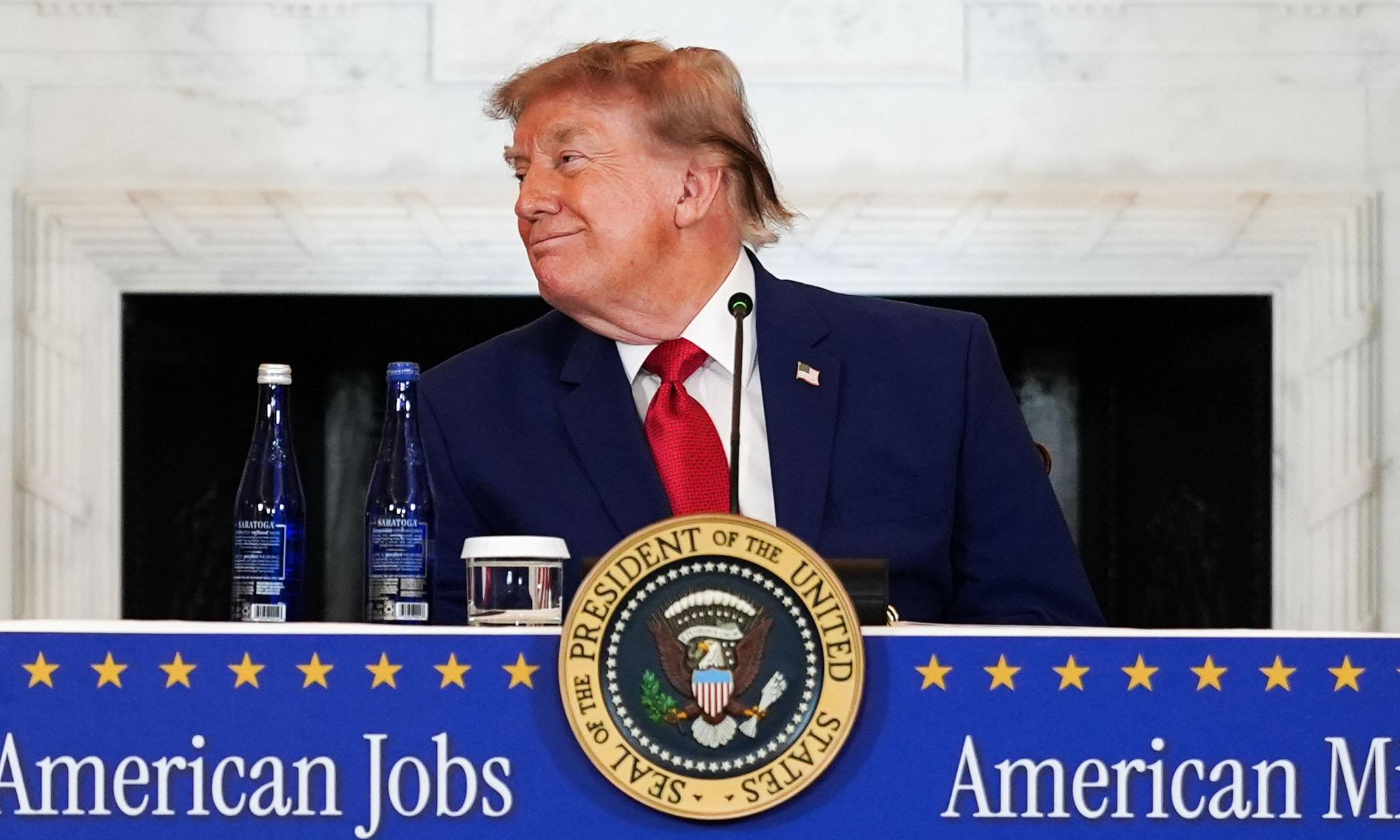
The Trump administration plans to announce as soon as Thursday a 15% tariff on products made from polysilicon, according to four sources familiar with the matter.
The plan includes minimum import prices on polysilicon, wafers, cells and modules (solar panels).
Polysilicon is the key raw material used in solar panels and semiconductors.
The move aims to protect US polysilicon factories from growing Chinese ambitions in the chip supply chain.
The plan follows a year-long Commerce Department national security investigation; the Commerce Department and the White House did not respond to requests for comment.
- Who
- US President Donald Trump's administration
- What
- Announcing a 15% tariff and minimum import prices on polysilicon and related solar products to counter China's influence in the chip supply chain
- Where
- The United States
- When
- As soon as Thursday
- Why
- To protect US polysilicon factories from growing Chinese ambitions in the chip supply chain
Tariff supporters
Solar industry concerns
Impact of trade measures on domestic industry
Tariff supporters
The hybrid tariff and price-floor system protects US polysilicon factories from low-cost Chinese imports and encourages investment in US manufacturing capacity.
Solar industry concerns
The measures could raise costs for solar manufacturers that depend on imported wafers, cells and modules, potentially affecting the economics of solar projects.
Trade policy and renewable energy support
Tariff supporters
Strengthening domestic manufacturing is essential to securing critical supply chains and reducing reliance on China in strategic industries.
Solar industry concerns
The plan comes as the administration has rolled back federal support for renewable energy, adding further pressure on the domestic solar industry.
Key facts
- Tariff
- 15% on products made from polysilicon
- Products covered
- Polysilicon, wafers, cells and modules (solar panels)
- Additional measure
- Minimum import prices (price floors)
- Announced by
- The Trump administration
- Expected timing
- As soon as Thursday
- Reason
- Protect US polysilicon factories from Chinese competition in the chip supply chain
- Investigation
- Year-long Commerce Department national security investigation into polysilicon
- Plan first reported by
- Reuters
Sources
Related news
Trump orders 15% tariffs on imported polysilicon, solar panels

Trump Administration Weighs Broad New Tariffs on Semiconductors
Trump Announces Up To 100% Tariffs On Imported Drones
Trump Administration Develops Semiconductor Tariff Relief Plan
Trump Administration Weighs New Tariffs on Semiconductor Technology
India’s SIP Boom Meets Years of Modest Market Returns

Americans Oppose Trump’s Canada Tariffs and Lake America Renaming

How Indian News Photographs Became National Visual Memory

Meta Removes Scam Ads After India Flags Porn Malware Bait
X’s Transparency Pledge Collides With India’s Secrecy Rules