2 weeks ago
Norovirus Cases Rising, Doctors Warn of Dangerous Dehydration Risks

A tiny germ called norovirus makes people sick with a very upset tummy.
People often call it the 'stomach flu,' but it is not the flu at all.
It makes you throw up, get diarrhea, and feel very tired and achy.
The germ spreads easily when people touch dirty hands, doorknobs, food, or water.
That is why lots of people in schools, offices, and homes get sick at the same time.
The most dangerous part is losing too much water, which doctors call dehydration.
Children and older people can get very weak from dehydration very quickly.
Washing hands well with soap and water is one of the best ways to stay safe.
If you are still very sick after 12 hours, you should see a doctor.
Most people get better in a few days by resting and drinking lots of fluids.

Doctors report a current rise in norovirus-like viral stomach infections, commonly known as the 'stomach flu' though unrelated to influenza.
Symptoms can appear suddenly and include vomiting, diarrhoea, stomach cramps, nausea, weakness, chills, fever and body aches.
Norovirus spreads through contaminated hands, food, water and shared surfaces, and can survive on surfaces for long periods without proper cleaning.
Dehydration is the biggest concern, especially for children and the elderly; doctors advise seeking care if symptoms do not improve within 12 hours.
Prevention centres on frequent handwashing with soap and water, disinfecting surfaces, drinking clean water, eating properly cooked food, and isolating sick family members.
- Who
- Doctors at Indian hospitals, including Dr Manjusha Agarwal, Dr Meghraj Ingle and Dr Sanjay Nagarkar, and patients affected by norovirus-like stomach infections.
- What
- A rise in norovirus-like viral stomach infections, with warnings about rapid spread, dangerous dehydration, and when to seek medical help.
- Where
- India, including Mumbai and Pune, along with crowded public spaces such as schools, offices, restaurants, hospitals and residential buildings.
- When
- Currently — doctors say they are noticing the rise now; no specific dates are given.
- Why
- Norovirus is highly contagious and spreads easily through contaminated hands, food, water and shared surfaces.
Key facts
- Virus
- Norovirus (called 'stomach flu', unrelated to influenza)
- Main symptoms
- Vomiting, diarrhoea, stomach cramps, nausea, weakness, chills, fever, body aches
- How it spreads
- Contaminated hands, food, water and shared surfaces; crowded spaces like schools and offices
- Biggest risk
- Dehydration, which can become serious within hours in children and the elderly
- When to see a doctor
- Symptoms not improving within 12 hours; blood in stools, persistent vomiting, fainting, reduced urination, confusion
- Recovery advice
- Simple meals, oral rehydration solutions, electrolyte drinks, coconut water and rest
- Prevention
- Handwashing with soap and water, disinfecting surfaces, avoiding shared utensils, drinking clean water, eating properly cooked food
- Experts quoted
- Dr Manjusha Agarwal (Gleneagles Hospital Mumbai), Dr Meghraj Ingle (Zen Multispeciality Hospital), Dr Sanjay Nagarkar (Apollo Spectra Hospital Pune)
Quotes
Dr Manjusha Agarwal
Consultant-Internal Medicine at Gleneagles Hospital Mumbai
“"Emergency rooms are seeing patients arrive with severe weakness, dizziness, low blood pressure, confusion, and inability to retain fluids."”
 deccanchronicle.com
“"It spreads very easily through contaminated hands, food, water, and shared surfaces."”
deccanchronicle.com
Sources
Related news
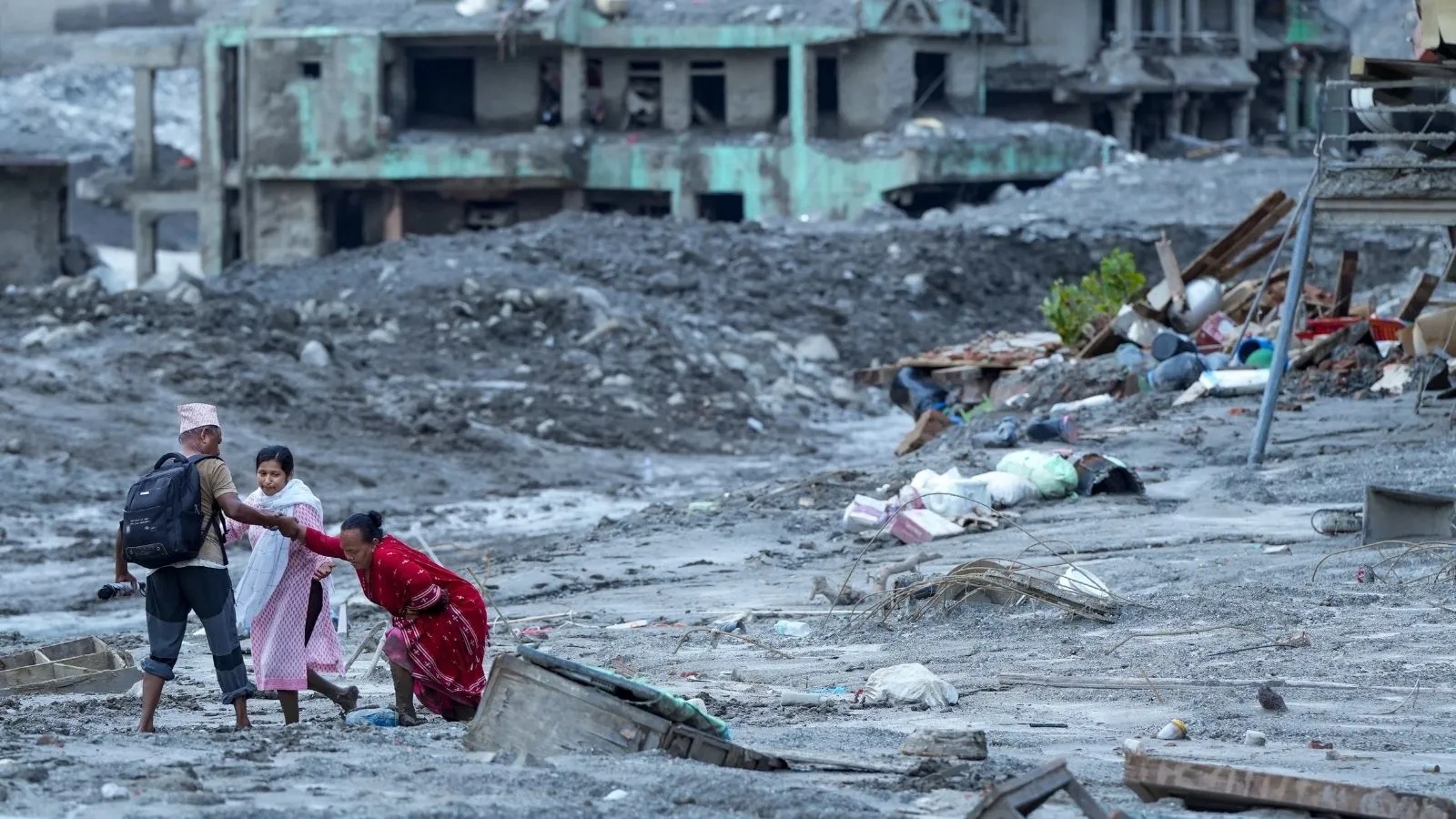
Floods Leave Nepal Facing Major Waterborne Health Risks

H1N1 Can Cause Stomach Symptoms That Mimic Food Poisoning

India Reports Surge In H1N1 Cases, Children Face Stomach Symptoms

Shigellosis Cases Rise in Kerala as Child Hospitalised

H1N1 Cases Rise in India; Simple Ways to Protect Yourself

H1N1 Can Cause Dangerous Stomach Symptoms in Children

Bombay High Court Clears Swadeshi Mills Revival, Worker Settlement

Swiggy’s Crew Concierge Platform Expands Into Travel Services

Mumbai Boy Learns Nature Through Composting Since Age Two

Navi Mumbai Airport Passes Three Million Passengers, But Challenges Remain

Viral Video Triggers Outrage Over Train Gambling, Seat-Hogging