1 week ago
India Reports Surge In H1N1 Cases, Children Face Stomach Symptoms

H1N1 is a flu infection that usually causes fever, coughing and body aches.
It is spreading more than usual in several parts of India this monsoon.
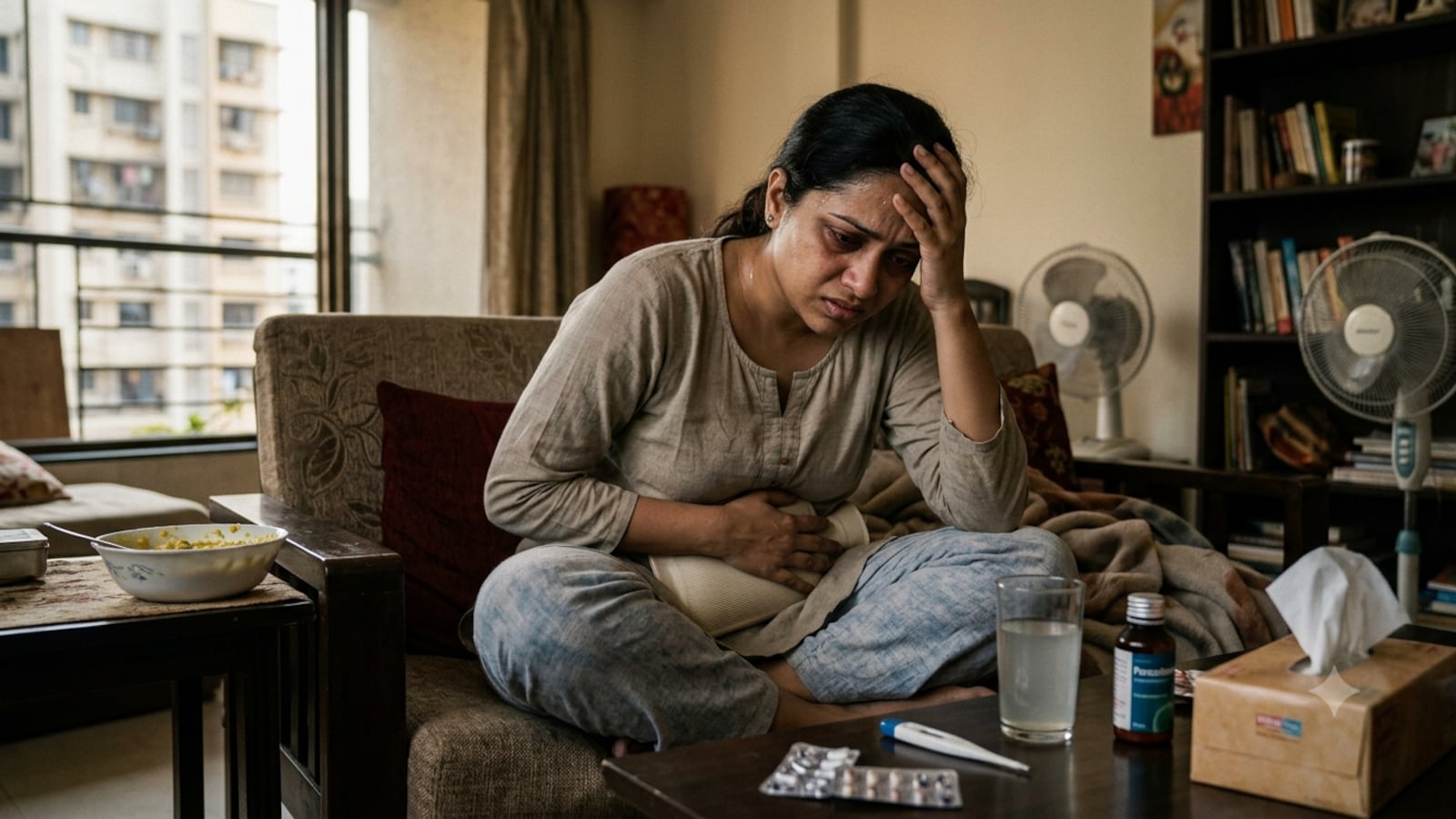
Some children with H1N1 can also have stomach problems.
These problems may include vomiting, diarrhoea, nausea or tummy pain.
Stomach symptoms do not always mean a child has H1N1 because other illnesses can cause them too.
Vomiting and diarrhoea can make children lose too much water.
Parents should give small amounts of suitable fluids often and watch how much the child urinates.
A doctor should be contacted if symptoms are severe, last a long time or get worse.
Trouble breathing, unusual sleepiness, confusion or serious dehydration require urgent medical attention.

Delhi recorded 1,777 H1N1 cases, including 114 new infections on August 20, compared with 229 during the same period last year.
Karnataka has reported 4,212 influenza cases since January, with about 300 to 400 currently active and many in Bengaluru.
H1N1 can sometimes cause nausea, vomiting, abdominal pain and diarrhoea alongside fever, cough and sore throat.
Digestive symptoms may be more noticeable in children and can appear before respiratory symptoms.
Parents should watch for dehydration and seek medical care for severe, persistent or worsening symptoms, especially breathing difficulty or reduced urination.
- Who
- People with H1N1 and influenza-like illnesses, particularly children; doctors and health authorities are monitoring the increase.
- What
- H1N1 cases are rising across several Indian cities, and the infection can sometimes cause digestive symptoms in children.
- Where
- Delhi, Bengaluru and other parts of Karnataka, Kerala, Maharashtra and Gujarat.
- When
- The increase is occurring during the monsoon; Delhi recorded 114 new cases on August 20, while Karnataka's figures cover cases since January.
- Why
- Seasonal influenza activity has increased, while H1N1 may cause stomach symptoms through effects of the infection and the body's immune response.
Key facts
- Delhi H1N1 cases
- 1,777 cases, including 114 new infections recorded on August 20.
- Delhi comparison
- 229 cases were reported during the corresponding period last year.
- Karnataka influenza cases
- 4,212 cases have been recorded since January.
- Active Karnataka cases
- Around 300 to 400 cases are currently active, with most reported in Bengaluru.
- Possible digestive symptoms
- Nausea, vomiting, abdominal pain and diarrhoea may accompany H1N1.
- Dehydration warning signs
- Reduced urination, dry mouth, dizziness, unusual sleepiness, weakness and increased thirst.
- Prevention measures
- Frequent hand hygiene, avoiding close contact while unwell and staying away from crowded settings when symptomatic.
Quotes
Dr Neha Rastogi
Senior Consultant in Infectious Diseases at Fortis Hospital Gurgaon
“Because influenza symptoms can overlap with other infections, a healthcare professional may recommend testing and appropriate treatment based on the person's symptoms, age, and risk factors.”
 NDTV
NDTV
“Swine flu, commonly associated with the H1N1 strain of influenza A, can sometimes cause stomach or digestive symptoms in addition to the usual respiratory symptoms.”
NDTV
Sources
Related news

H1N1 Can Cause Dangerous Stomach Symptoms in Children
H1N1 Can Cause Stomach Symptoms That Mimic Food Poisoning

Delhi H1N1 Cases Rise as India Reviews Flu Preparedness

Delhi Reports Over 2,300 H1N1 Cases, Triggers Emergency Review

H1N1 Cases Surge In India: Recovery Tips, School Outbreak

H1N1 Cases Rise in India; Simple Ways to Protect Yourself

Karnataka Forms Panel to Review Criminal Cases for Withdrawal

Karnataka Cabinet Panel Targets Student Grievances and Education Reform

Karnataka Forms Cabinet Panel to Address Student Issues

Karnataka Minister Seeks Action Over Datura Licence Suspension Delay