2 hrs ago
Navi Mumbai Airport Passes Three Million Passengers, But Challenges Remain
Navi Mumbai International Airport has welcomed more than 3 million passengers in less than nine months.
It began operating on December 25, 2025, with flights to 13 destinations.
It now connects to 46 destinations and has started international flights to Abu Dhabi.
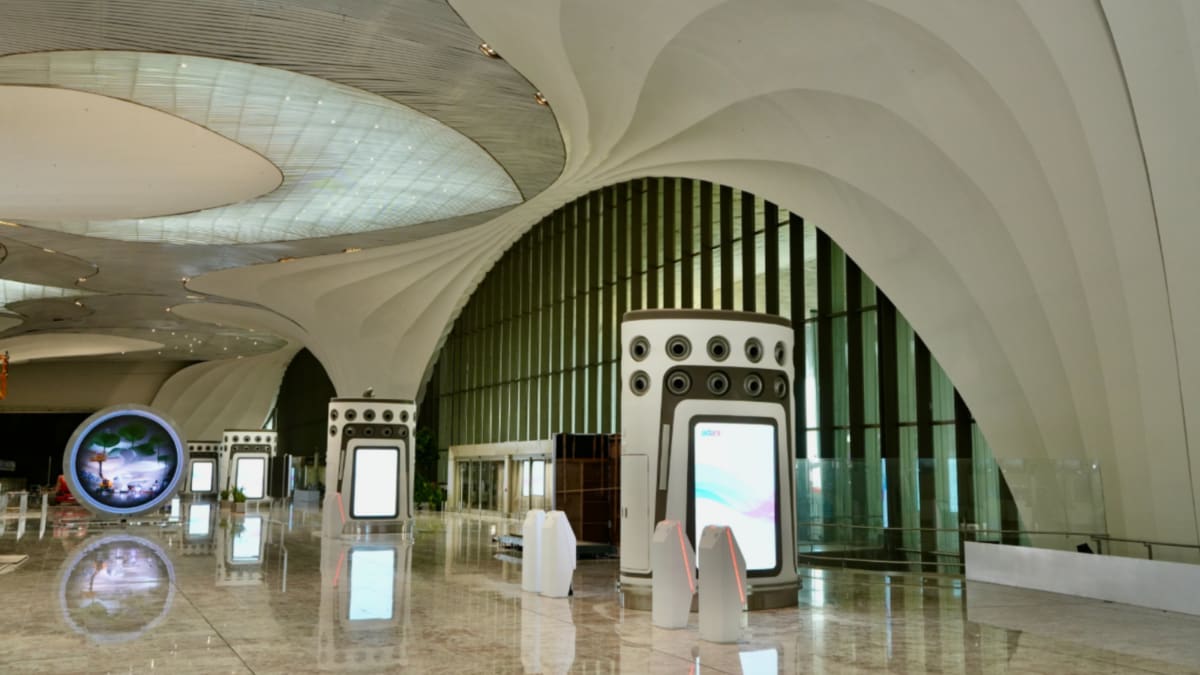
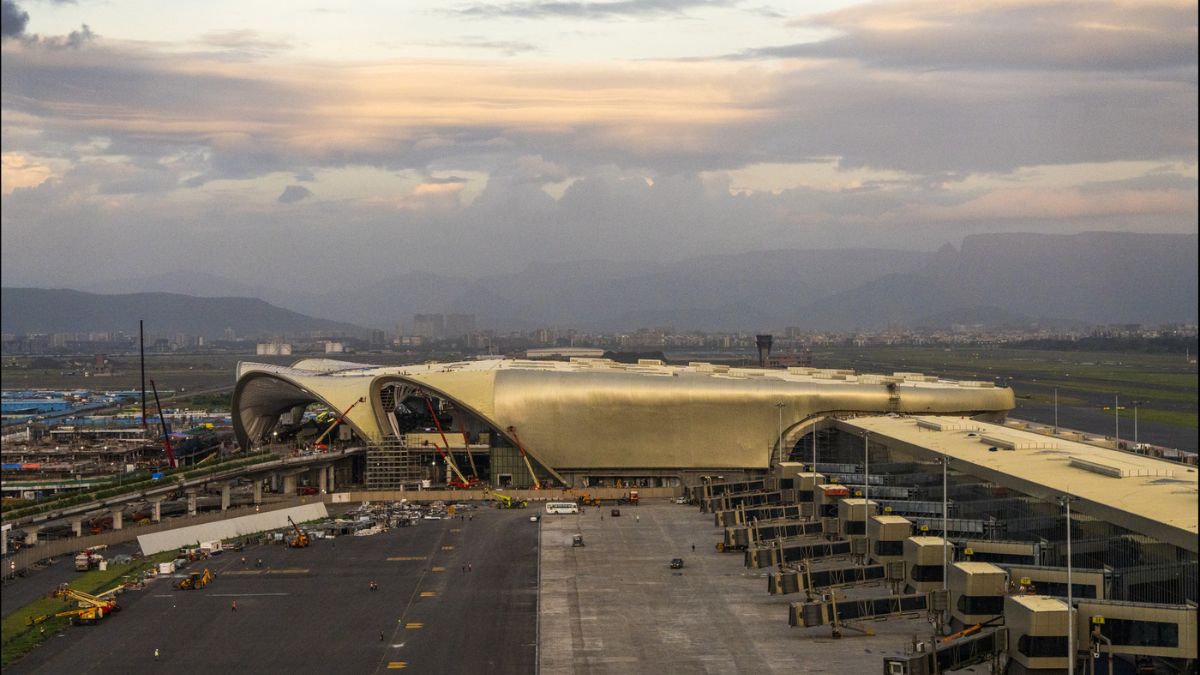
Many passengers like its large, modern design and artistic displays.
One popular attraction is a set of fabric ribbons that move with technology and music.
The airport also delivered the last checked bag within 30 minutes on 94% of flights in August.
However, reaching the airport can still be difficult for some people, especially from other parts of Mumbai.
The airport is also using only part of its planned terminals, runways and other facilities.
Its long-term success will depend on better transport links, more international flights and continued expansion.

Navi Mumbai International Airport has handled more than 3 million passengers since commercial operations began on December 25, 2025.
The airport’s network has grown from 13 to 46 destinations, including its first international route to Abu Dhabi.
NMIA recorded a 94% last-bag delivery rate in August, with bags arriving within 30 minutes on those flights.
Passengers have praised the airport’s design, digital art installations and technology-controlled “dancing curtains.”
Road and public transport links, international connectivity and planned infrastructure still need to expand as the airport develops.
- Who
- Navi Mumbai International Airport, its passengers and airlines including IndiGo, Air India Express, Akasa Air and Star Air.
- What
- NMIA has crossed 3 million passengers while expanding its flight network and developing passenger, cargo and airport infrastructure.
- Where
- The airport is in Ulwe near Panvel, serving Navi Mumbai, Raigad and the wider Mumbai Metropolitan Region.
- When
- Since commercial operations began on December 25, 2025; the milestone was reported on September 4, 2026, after less than nine months of operations.
- Why
- The airport is being developed as Mumbai’s second major aviation gateway, with ambitions to expand passenger, international and cargo operations.
Evidence of Progress
Remaining Gaps
Passenger demand
Evidence of Progress
Crossing 3 million passengers in less than nine months, along with 22,500 commercial flights, indicates that travellers are using the airport and that it is gaining a role in India’s aviation network.
Remaining Gaps
The airport is still in an early stage, and current passenger numbers do not yet show whether it will reach its much larger long-term potential.
Access and connectivity
Evidence of Progress
The location can be more convenient than Mumbai’s existing airport for residents of Navi Mumbai and parts of Raigad.
Remaining Gaps
Travellers from other parts of Mumbai may face less straightforward journeys because surrounding road and public transport links are still developing.
Network and infrastructure
Evidence of Progress
The airport has expanded to 46 destinations, begun international operations and is positioning itself as a cargo gateway.
Remaining Gaps
Its international network remains limited, and much of the planned infrastructure, including additional terminals and runways, is not yet operational.
Key facts
- Passenger milestone
- More than 3 million passengers handled since December 25, 2025.
- Flight network
- Expanded from 13 destinations at launch to 46 destinations.
- Commercial flights
- Approximately 22,500 commercial flights handled.
- Baggage performance
- A 94% last-bag delivery rate in August, with bags delivered within 30 minutes on those flights.
- Planned passenger capacity
- First phase designed for up to 20 million passengers annually; eventual capacity is expected to reach 90 million.
- Planned infrastructure
- Four terminals and two parallel runways are planned; a VVIP terminal is expected by 2030.
- Cargo ambition
- The airport is eventually expected to handle up to 0.5 million tonnes of cargo annually.
Sources
Related news
Thirteen international airlines to start freighter flights at Navi Mumbai

CIDCO Details NAINA’s Airport-Led Planned Growth Vision For Region

Mumbai International Flights Face Airport And Terminal Shifts From October
Mumbai Airport to Shift Flights as Terminal 1 Redevelopment Begins
Navi Mumbai Airport Prepares for Major Wide-Body Freighter Shift

Navi Mumbai Airport Receives First Factory-Delivered Commercial Aircraft
India Reports 352 Flight Defects, DGCA Tightens Oversight
IndiGo Tops UDAN Subsidy Chart with ₹1,200 Crore

Mumbai Airport Terminal Shuffle: Akasa Air to T2, Air India Express to T1

Donyi Polo Airport and Star Air Win Awards at Wings India 2026