1 week ago
Tukaram Mundhe’s Example Sparks Debate Over Institutional Ethics
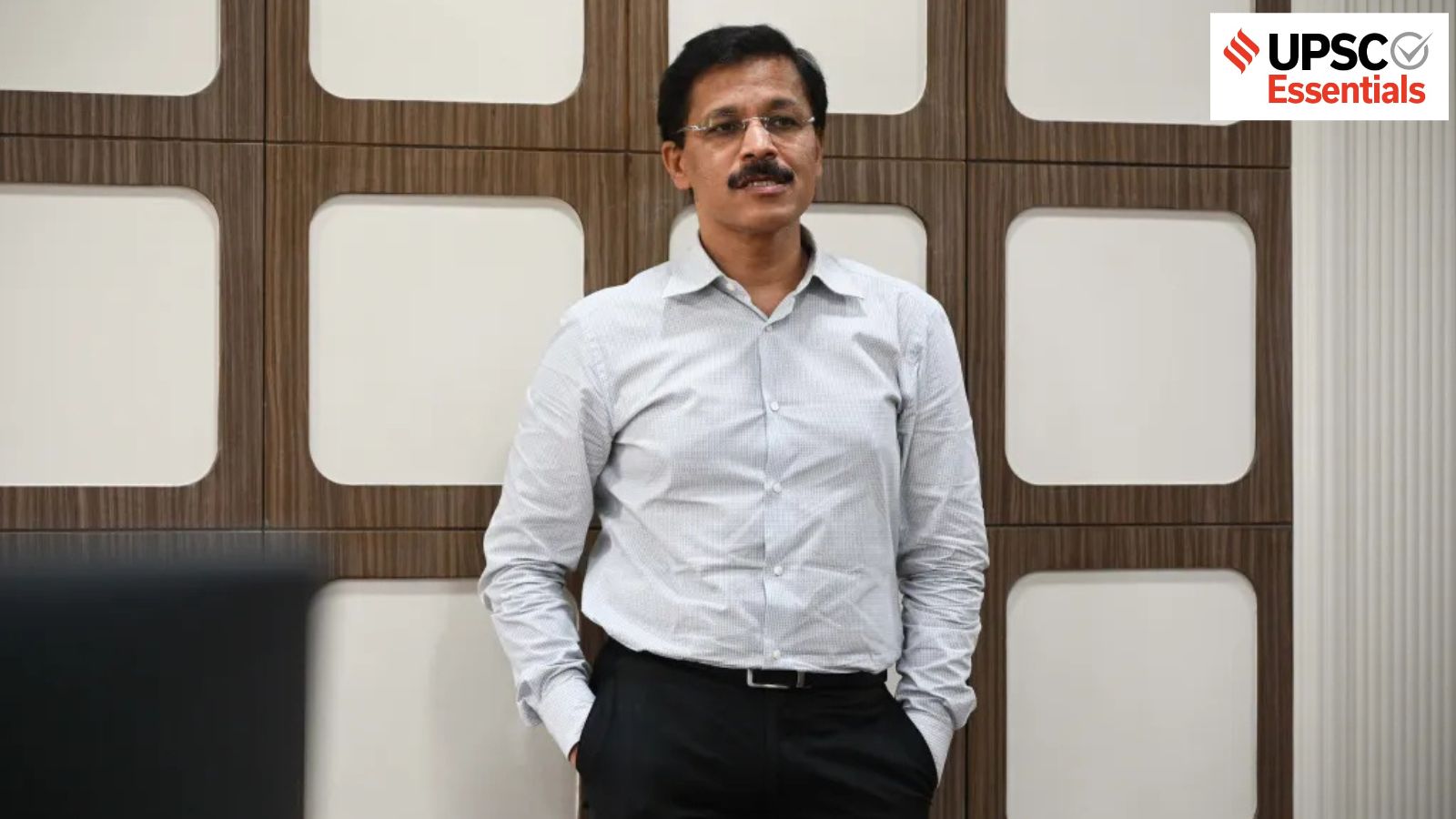
Tukaram Mundhe is an IAS officer discussed for trying to protect people from unsafe or poor-quality food.
The article says this work can help the greatest number of people.
It also says public officials have a duty to serve citizens fairly and respectfully.
Acting honestly when it may cause trouble can require moral courage.
The article uses ideas from the Bhagavad Gita to discuss action, ambition and inaction.
It warns that doing nothing when action is needed can also harm society.
Many people see Mundhe as a hero and call him “IAS Singham.”
But the author says good government should not depend on one heroic person.
Instead, institutions should be built so that honesty, accountability and public welfare are normal.

IAS officer Tukaram Mundhe is discussed for efforts to ensure consumers receive clean, high-quality food.
The article examines his conduct through utilitarianism, Kantian duty ethics, virtue ethics and Indian philosophical ideas.
His actions are associated with integrity, responsibility, public welfare and moral courage despite possible professional difficulties.
Mundhe’s public image as an “IAS Singham” raises concerns about hero worship and the celebration of routine duties.
The article argues that governance should rely on accountable institutions, not only exceptionally courageous individual officers.
- Who
- IAS officer Tukaram Mundhe and the public officials whose conduct the article examines.
- What
- An ethical examination of Mundhe’s efforts to ensure clean, high-quality food and of whether good governance should depend on exceptional individuals.
- Where
- Navi Mumbai is identified in connection with Tukaram Mundhe and his governance work.
- When
- Why
- To protect public welfare and explore how integrity, moral courage and institutional accountability should operate in public administration.
Exceptional Officers Can Drive Change
Institutions Must Make Ethics Normal
Role of individual courage
Exceptional Officers Can Drive Change
An officer who acts against wrongdoing and protects public welfare demonstrates integrity, responsibility and moral courage, even when action may bring transfers, criticism or professional inconvenience.
Institutions Must Make Ethics Normal
Individual virtue is important, but a governance system should not function well only when an unusually courageous officer is in charge.
Celebrating administrative performance
Exceptional Officers Can Drive Change
Recognising officers for courage and integrity can draw attention to public service and encourage appreciation of ethical conduct.
Institutions Must Make Ethics Normal
When basic administrative responsibilities make an officer a celebrity, it may show that routine honesty and service have become too rare; the focus should shift from hero worship to institutional learning.
Response to unsafe practices
Exceptional Officers Can Drive Change
Direct intervention can produce public welfare when unsafe or unhygienic practices continue and administrative action is necessary.
Institutions Must Make Ethics Normal
Long-term safeguards are needed so that food safety, accountability and public welfare continue before and after a particular officer’s tenure.
Key facts
- Officer
- Tukaram Mundhe, an IAS officer
- Governance award
- He won the Excellence in Governance Award 2019 in the Technology Implementation category.
- Public-welfare issue
- The article links his efforts to ensuring consumers receive clean and high-quality food.
- Ethical frameworks
- The discussion uses utilitarianism, Kantian ethics, virtue ethics and the three gunas.
- Public image
- Mundhe is discussed in television news and social media, where he is often portrayed as “IAS Singham.”
- Central institutional question
- The article asks whether good governance should depend on exceptional officers or become the norm within institutions.
Quotes

Adam Smith
Eighteenth-century Scottish economist and philosopher cited for his argument about institutional design and self-interest.
“It is not from the benevolence of the butcher, the brewer, or the baker that we expect our dinner, but from their regard to their own interest.”
 indianexpress.com
Sources
Related news

UPSC Mains 2026 Checklist: 15 Ethics Topics Aspirants Shouldn't Miss

Tukaram Mundhe Says Systems Matter More Than Celebrity Status
Maharashtra FDA Chief Rejects Celebrity Focus, Stresses Food Safety
Internet Favors Kay Kay Menon for Tukaram Mundhe Biopic
Maharashtra FDA Chief Tukaram Mundhe Rules Out Entering Politics
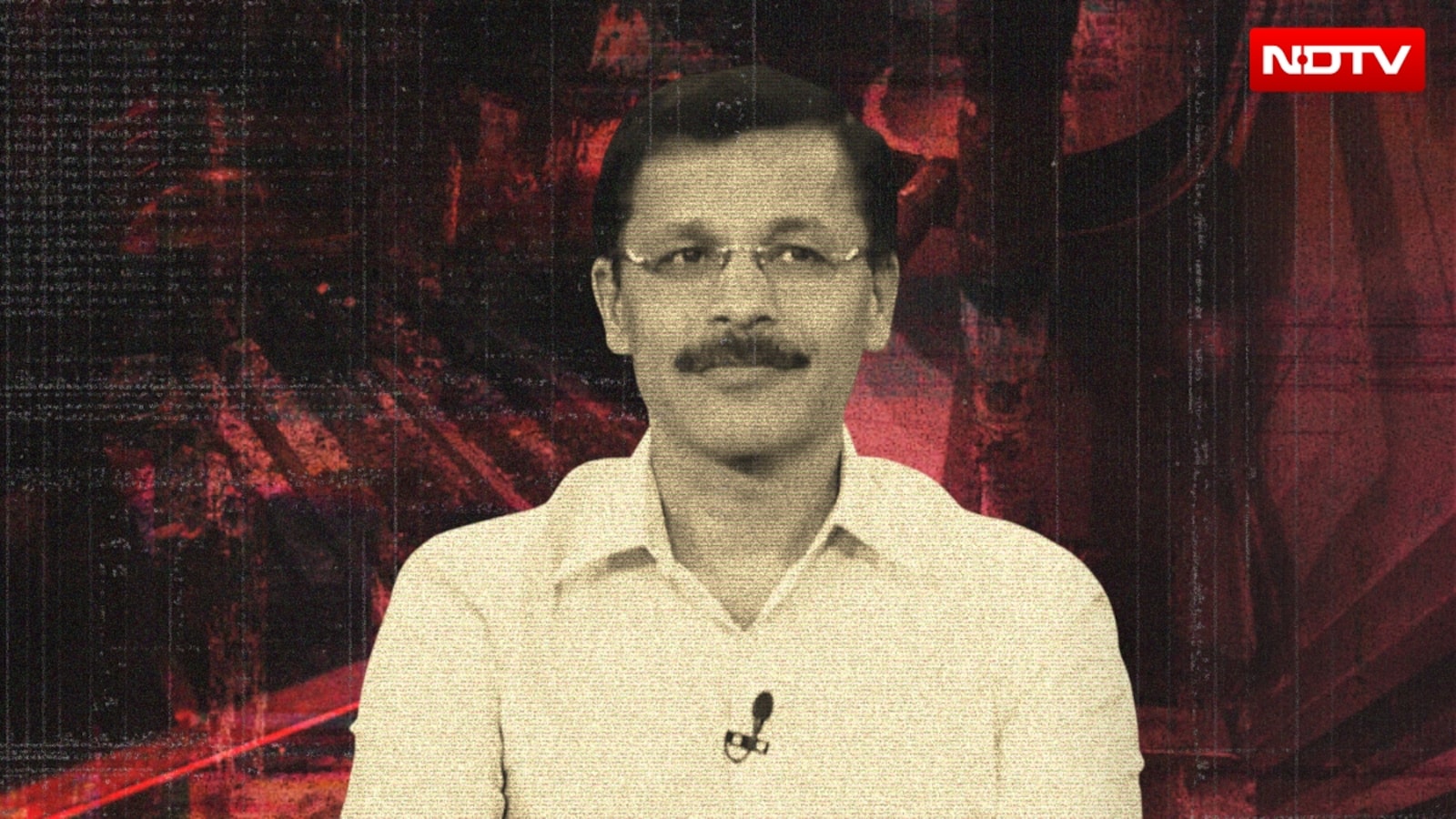
Tukaram Mundhe's Food Safety Crackdown Draws Praise And Scrutiny

NMMC Launches Navi Mumbai Drive to Protect Existing Trees

IWSA Opens Learning Garden Museum To Promote Urban Biodiversity

USFDA Warns Reliance Life Sciences Over Navi Mumbai Drug Lapses

Mumbai Warehouse Found Relabeling Exported Maggi, Lay’s and Kurkure Packs

Bombay High Court Rejects Split Legal Challenges to Redevelopment