2 hrs ago
Divya Mittal’s Resignation Sparks Questions About Ethical Public Service
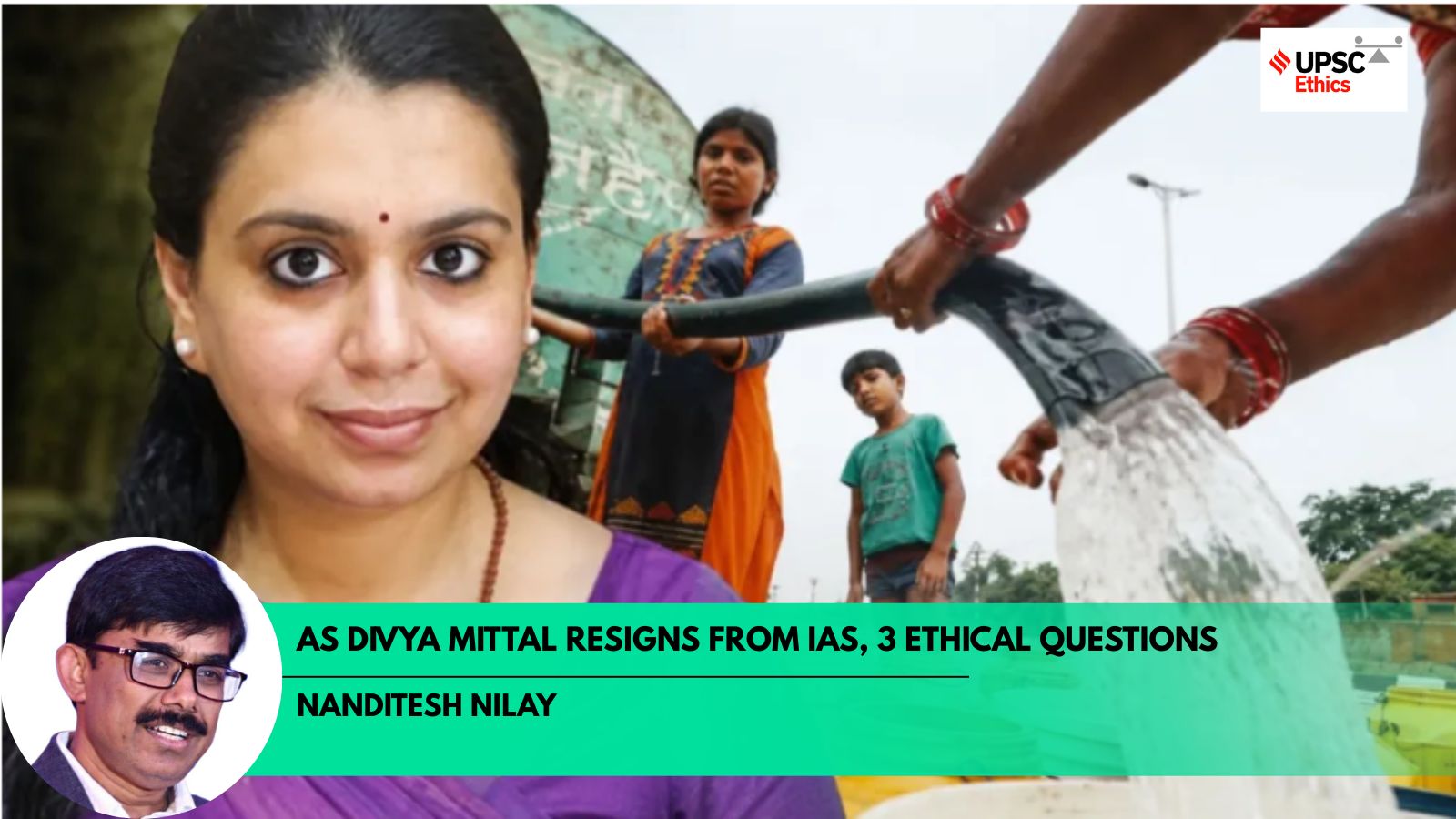
Divya Mittal recently left the civil service after working as an IAS officer for 13 years.
The article uses her work to ask what it really means to serve people.
In Lahuria Dah village, she helped ensure that piped water reached homes after decades without it.
For villagers, this was not just paperwork but a major change in their lives.
The article says good officers should follow rules and also show empathy and courage.
One officer cannot fix an entire government system alone.
However, officers can show others what fair and caring governance should look like.
Citizens often understand the government through the way officials listen and treat them.
The article encourages civil-service aspirants to think about why they want public office.

IAS officer Divya Mittal resigned after a 13-year civil-service career.
Her work in Mirzapur included bringing piped water to households in Lahuria Dah village.
The article asks whether a good officer must do more than follow rules.
It argues that individual officers can give institutions ethical meaning but cannot transform systems alone.
Public service is presented as a relationship based on empathy, dignity, responsibility and public trust.
- Who
- IAS officer Divya Mittal and ethicist Nanditesh Nilay, who examines her public-service record.
- What
- Mittal’s resignation is used to examine three ethical questions about public service, good officers and institutional change.
- Where
- The discussion highlights her work in Mirzapur, especially Lahuria Dah village.
- When
- Mittal recently resigned after 13 years in the civil services.
- Why
- Her resignation and work delivering piped water invite reflection on empathy, responsibility, public trust and the purpose of government.
Individual Conscience and Public Duty
Institutional Discipline and Systemic Limits
What makes an officer good?
Individual Conscience and Public Duty
An ethical officer should combine rule-following with empathy, justice, compassion, courage and attention to the human consequences of decisions.
Institutional Discipline and Systemic Limits
Following procedures and institutional rules remains essential, and personal virtue alone cannot guarantee effective or consistent governance.
How should officers respond to flawed systems?
Individual Conscience and Public Duty
Civil servants should use moral courage to challenge rules, procedures or institutional habits when they fail to serve justice, dignity or public welfare.
Institutional Discipline and Systemic Limits
Officers must respect hierarchies, institutional discipline and administrative constraints rather than relying entirely on personal judgment.
Can one officer transform governance?
Individual Conscience and Public Duty
An individual officer can make a meaningful difference, build public trust and remind institutions of the values behind public service.
Institutional Discipline and Systemic Limits
No single officer can transform an entire state system; sustainable governance must not depend entirely on individual virtue.
Key facts
- Officer
- Divya Mittal
- Career length
- 13 years in the civil services
- Highlighted location
- Lahuria Dah, a hilly village in Mirzapur
- Development programme
- Jal Jeevan Mission
- Reported outcome
- Piped water reached households in Lahuria Dah
- Ethical questions
- What makes an officer good, whether one officer can transform a system, and what public service ultimately means
Quotes
Divya Mittal
IAS officer who resigned from the civil services after a 13-year career
“I was a fool to think I had come to give something. The truth is, I received the most, and that debt only grew deeper.”
 indianexpress.com
Sources
Related news
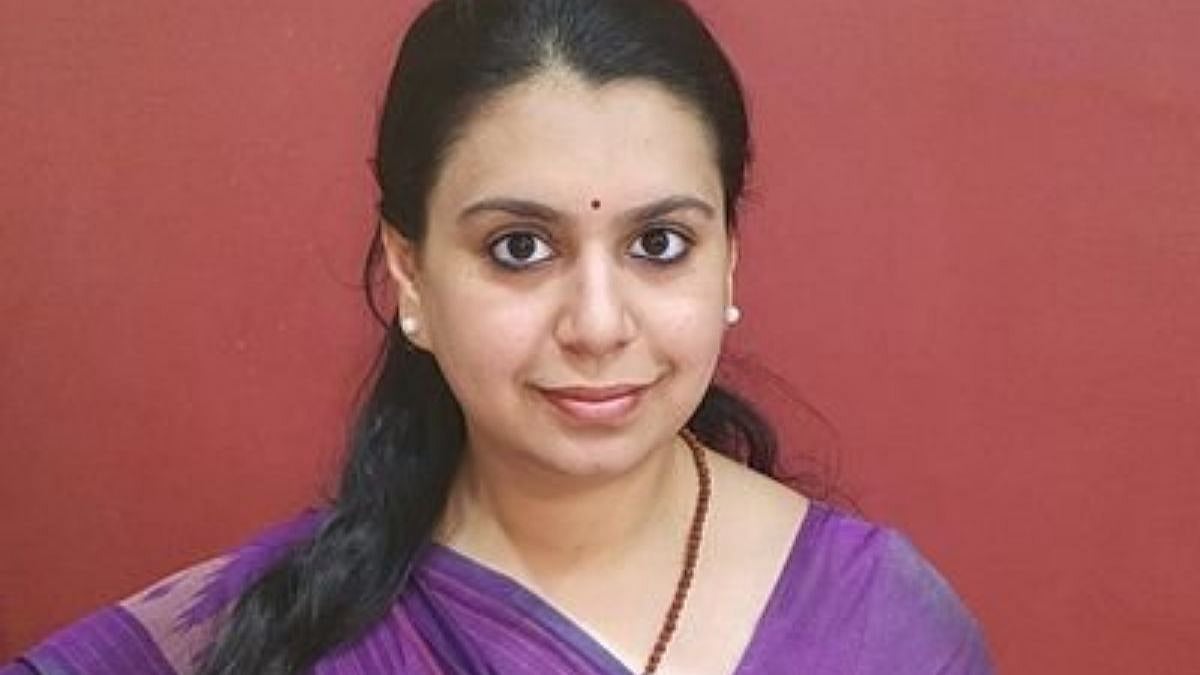
Divya Mittal Resigns After 13 Years in Public Service

Divya Mittal Reflects On Rural Service After IAS Resignation
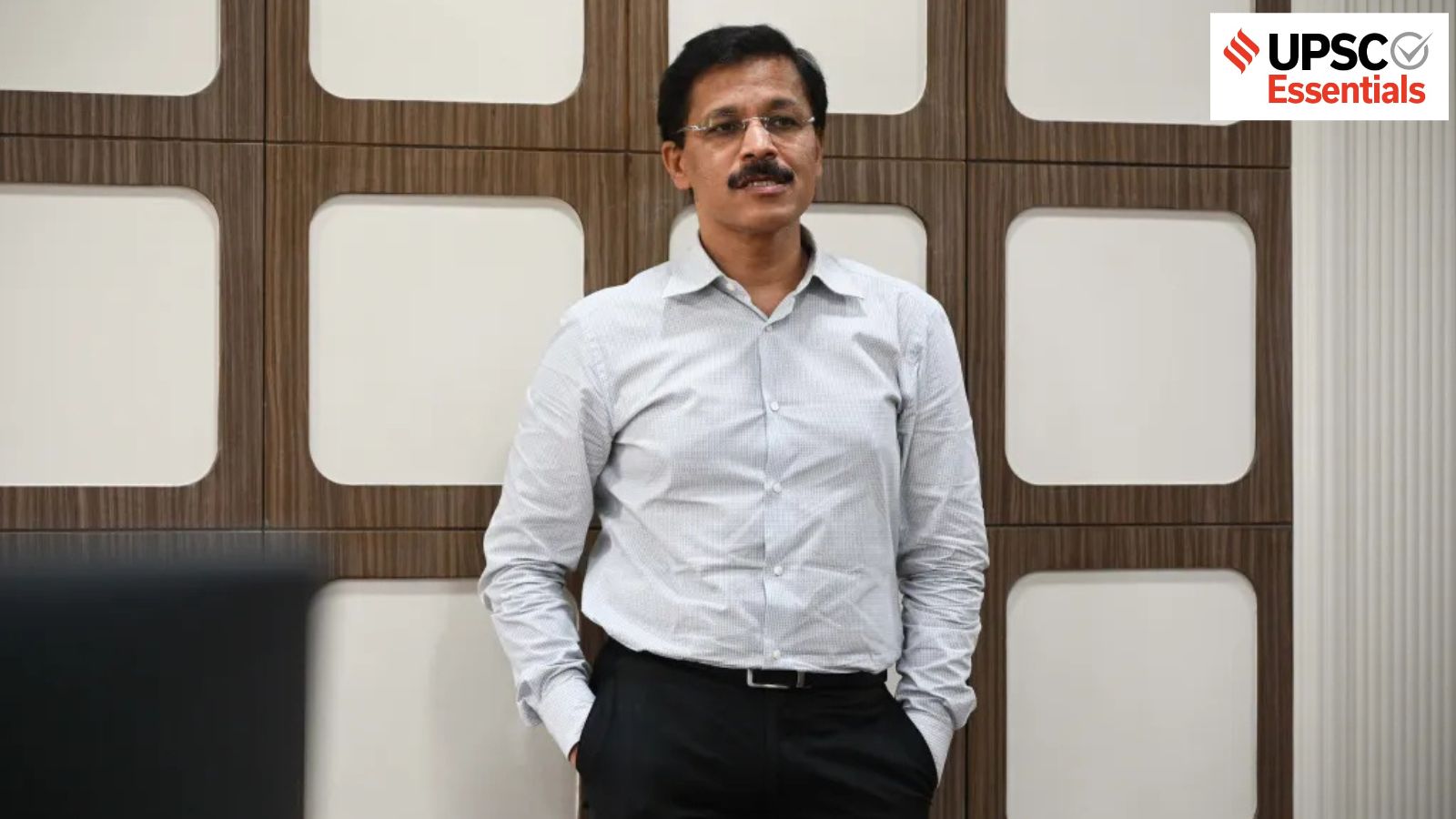
Tukaram Mundhe’s Example Sparks Debate Over Institutional Ethics
UPSC Mains 2026 Checklist: 15 Ethics Topics Aspirants Shouldn't Miss
Divya Mittal Resigns After 13 Years Amid Political Buzz
IAS Officer Divya Mittal Resigns After 13 Years of Service
Protected Water Project Offers Hope to A Konduru Kidney Patients
Officials Set Two-Month Deadline for Raptadu Water Projects
Andhra Pradesh Cabinet Clears Rural Water and Infrastructure Projects

West Asia Disruptions Threaten EPC Margins Despite Stronger Growth