2 days ago
UPSC Ethics Practice Explores Reasoning and Moral Dilemmas

Ethics helps people decide what is right when they have more than one choice.
Something being possible or legal does not always make it morally right.
People may have to choose between values such as loyalty, honesty, fairness and compassion.
The article explains that UPSC students should practise thinking through these conflicts.
In the case study, a student learns that a close friend cheated in an examination.
Staying silent could protect the friend but would be unfair to honest candidates.
Reporting the friend could protect fairness but might seriously hurt the friend and the family.
Another option is to ask the friend to admit the wrongdoing voluntarily.
A good decision should defend important principles while treating people with humanity.

Ethical reasoning asks what ought to be done, not merely what can legally or practically be done.
The UPSC Ethics paper tests attitudes toward integrity, probity, problem-solving and conflicts in public service.
Aspirants are encouraged to examine stakeholders, competing values, duties and consequences in everyday situations.
A caselet asks whether a student should report a close friend who used unfair means in an examination.
Possible responses include remaining silent, reporting the misconduct or encouraging the friend to disclose it voluntarily.
- Who
- UPSC aspirants and a postgraduate student facing a dilemma involving a close friend.
- What
- The article explains how to answer ethics questions and case studies involving ethical reasoning, competing values and moral dilemmas.
- Where
- In the UPSC Ethics paper and in everyday social, political, economic and technological situations.
- When
- The UPSC Ethics Answer Practice series is presented as a weekly exercise; the article also refers to the August 2026 UPSC Essentials magazine.
- Why
- To develop practical ethical reasoning rather than reliance on memorised definitions, values, thinkers and quotations.
Protect the Friend
Uphold Fairness and Integrity
Response to the misconduct
Protect the Friend
Remain silent or first give the friend an opportunity to disclose the misconduct voluntarily, considering the friend’s financial hardship, family pressure and promise not to repeat it.
Uphold Fairness and Integrity
Report the misconduct because silence would allow an unfair advantage over candidates who followed the rules.
Meaning of harm
Protect the Friend
The friend argues that nobody was directly harmed and that reporting could seriously damage his career and family’s financial situation.
Uphold Fairness and Integrity
The absence of an immediately visible victim does not remove the harm to fairness, equal treatment and the integrity of the examination.
Role of compassion
Protect the Friend
Human sensitivity supports helping the friend avoid unnecessarily harsh consequences while encouraging responsibility and reform.
Uphold Fairness and Integrity
Compassion should not become an excuse for compromising ethical principles or accepting dishonest conduct.
Key facts
- Exam
- UPSC Ethics, or General Studies Paper IV
- Core focus
- Integrity, probity, problem-solving, attitude and approach
- Central distinction
- What can be done versus what ought to be done
- Ethical conflicts cited
- Honesty versus loyalty; privacy versus public interest; compassion versus fairness
- Caselet dilemma
- Whether to report a close friend who used unfair means in an examination
- Possible courses of action
- Remain silent, report the matter or encourage voluntary disclosure
- Decision-making test
- Defend the choice publicly while protecting both the principle and the person where possible
Quotes

Potter Stewart
United States Supreme Court Justice whose quotation is cited in the article as often attributed to him
“Ethics is knowing the difference between what you have the right to do and what is right to do”
 indianexpress.com
Sources
Related news

UPSC Mains 2026 Checklist: 15 Ethics Topics Aspirants Shouldn't Miss
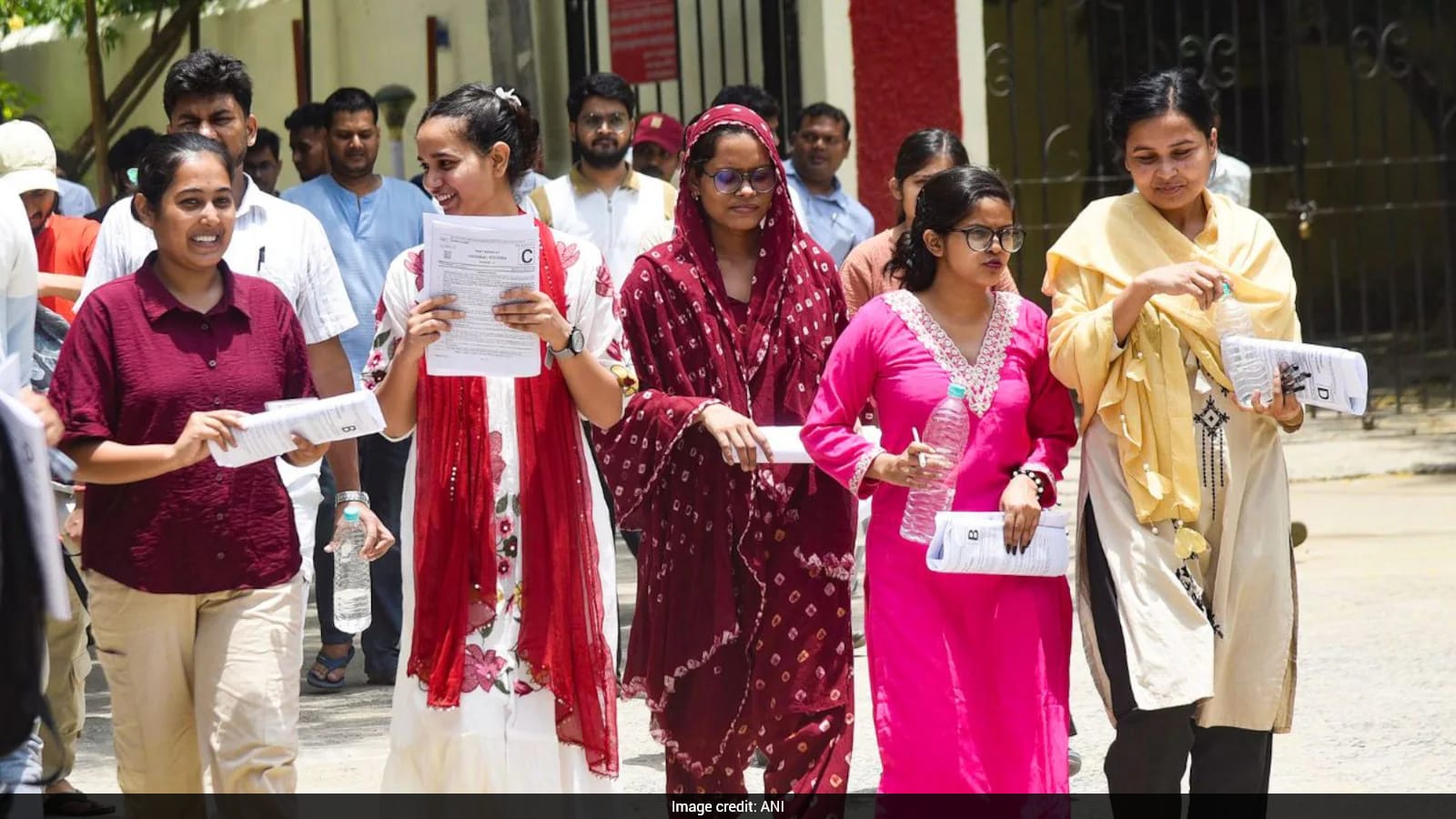
'Hard Decisions' to 'Good Leaders': UPSC Essay Topics
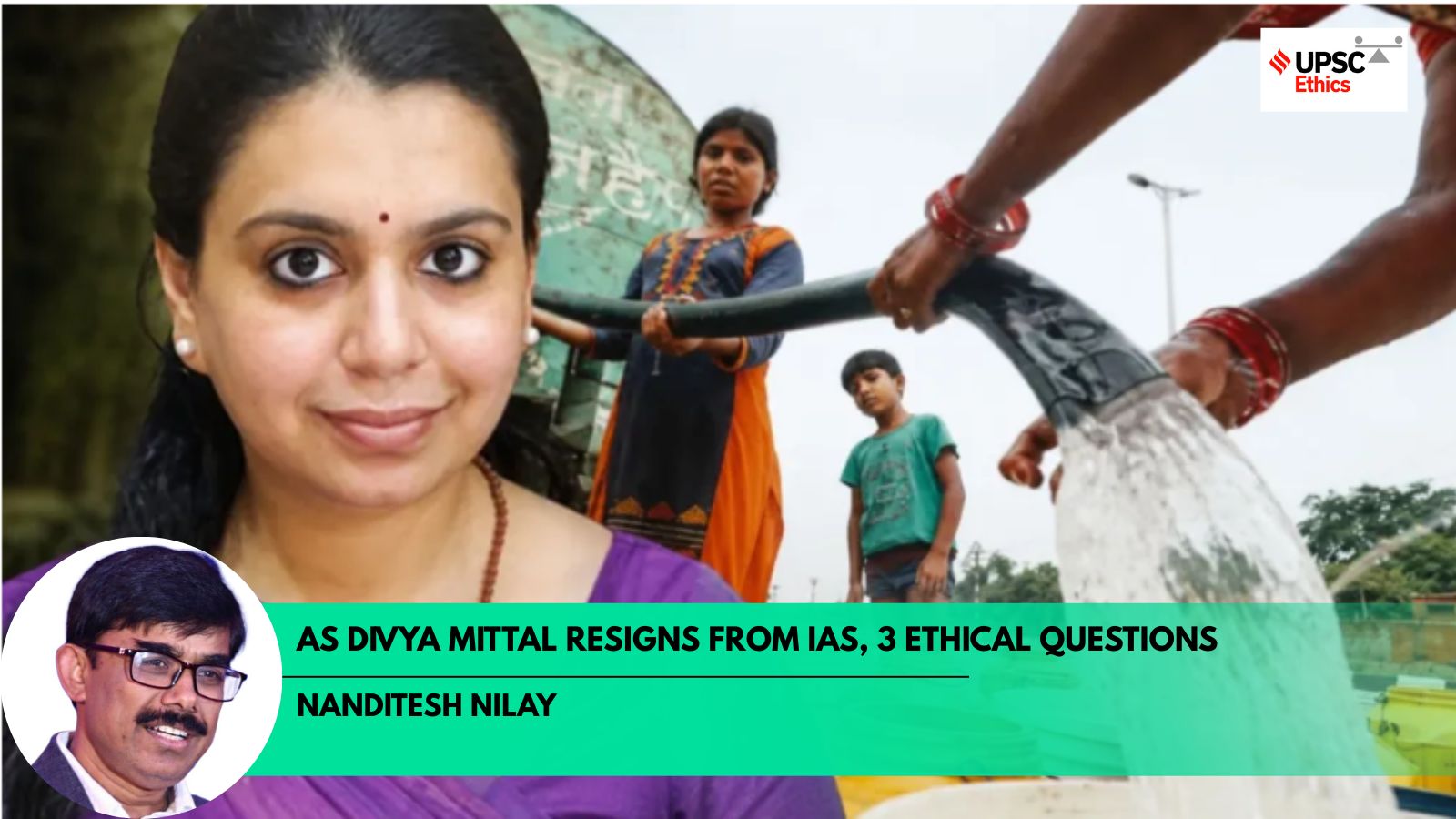
Divya Mittal’s Resignation Sparks Questions About Ethical Public Service

Tukaram Mundhe’s Example Sparks Debate Over Institutional Ethics
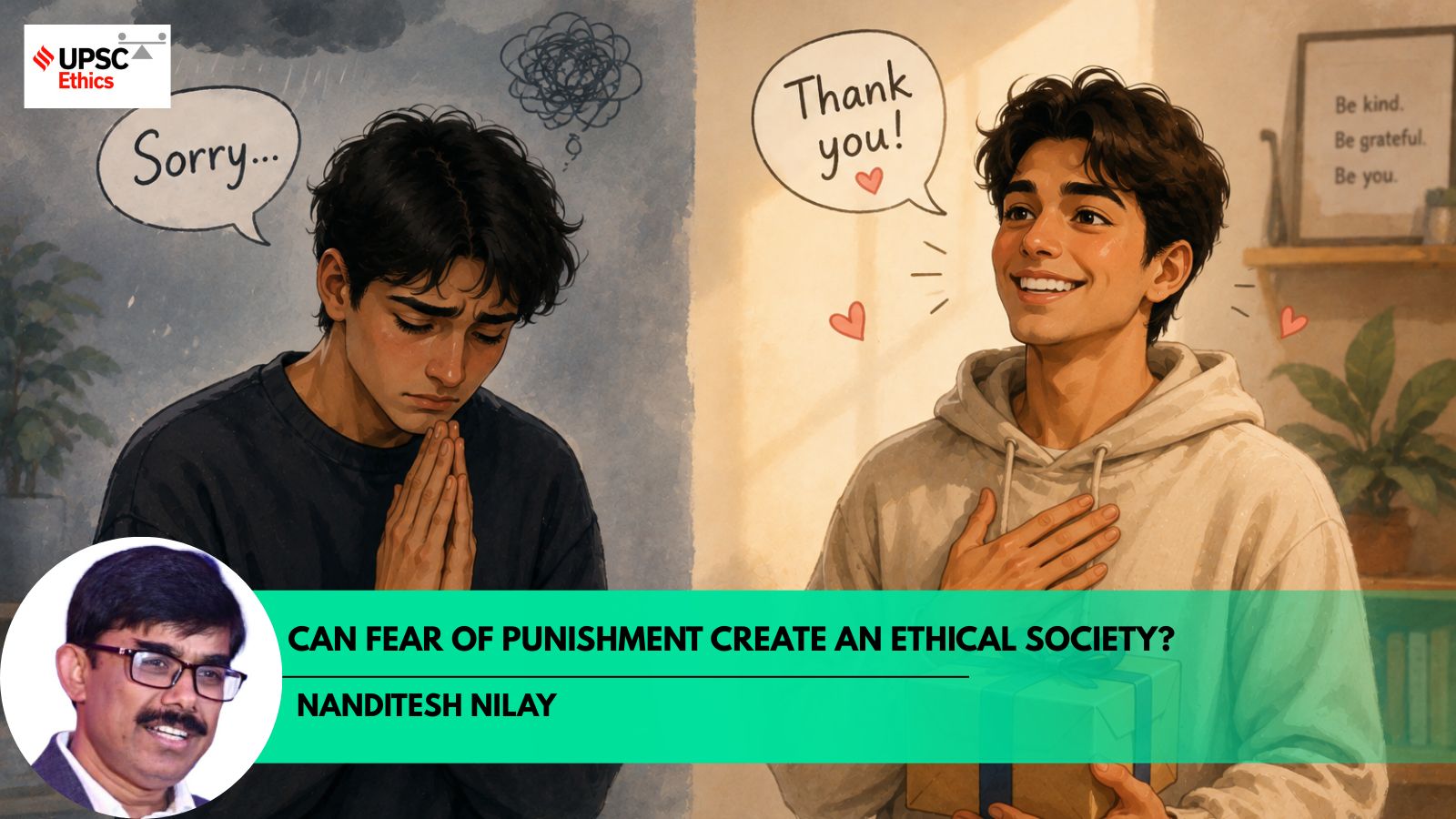
Can Fear of Punishment Create a Genuinely Ethical Society?