1 hr ago
Nepal Floods Expose Global Carbon Emissions’ Unequal Costs
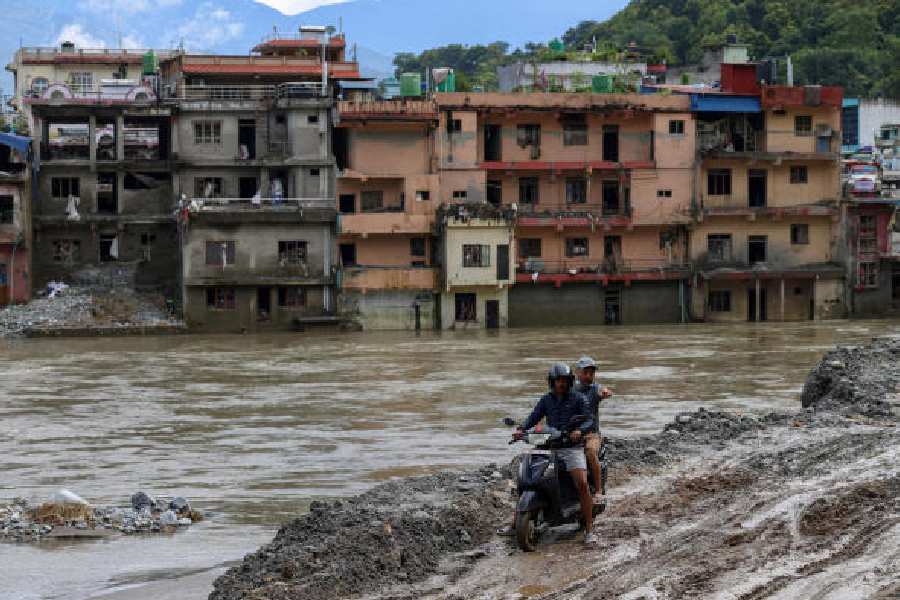
The article says Nepal is facing serious harm from floods and other environmental disasters.
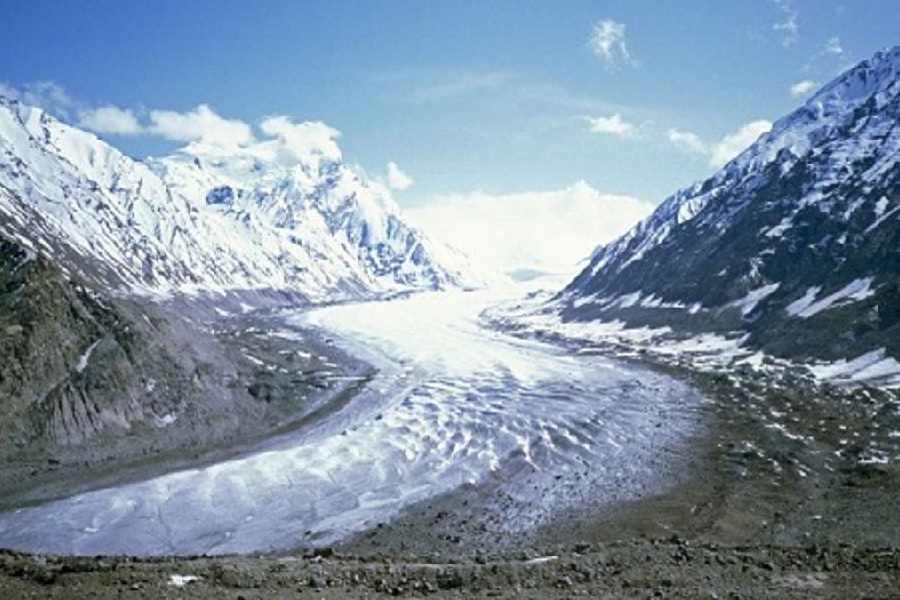
It connects these dangers to warming temperatures and changes in the Himalayas.
The mountains are losing ice, and warmer conditions can also increase avalanche danger.
Many people depend on rivers fed by this mountain region.
The article says Nepal has produced only a very small share of the world’s carbon emissions.
It contrasts this with the large emissions of richer economies and fossil fuel producers.
The author argues that people who contribute less to the problem can still suffer greatly from it.
The article also says climate discussions should focus more on people’s suffering, not only money and damaged buildings.

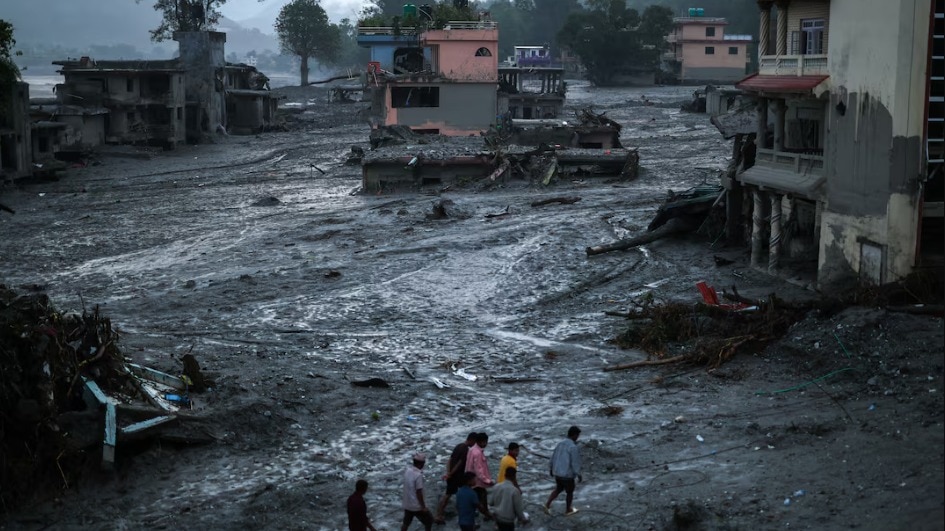
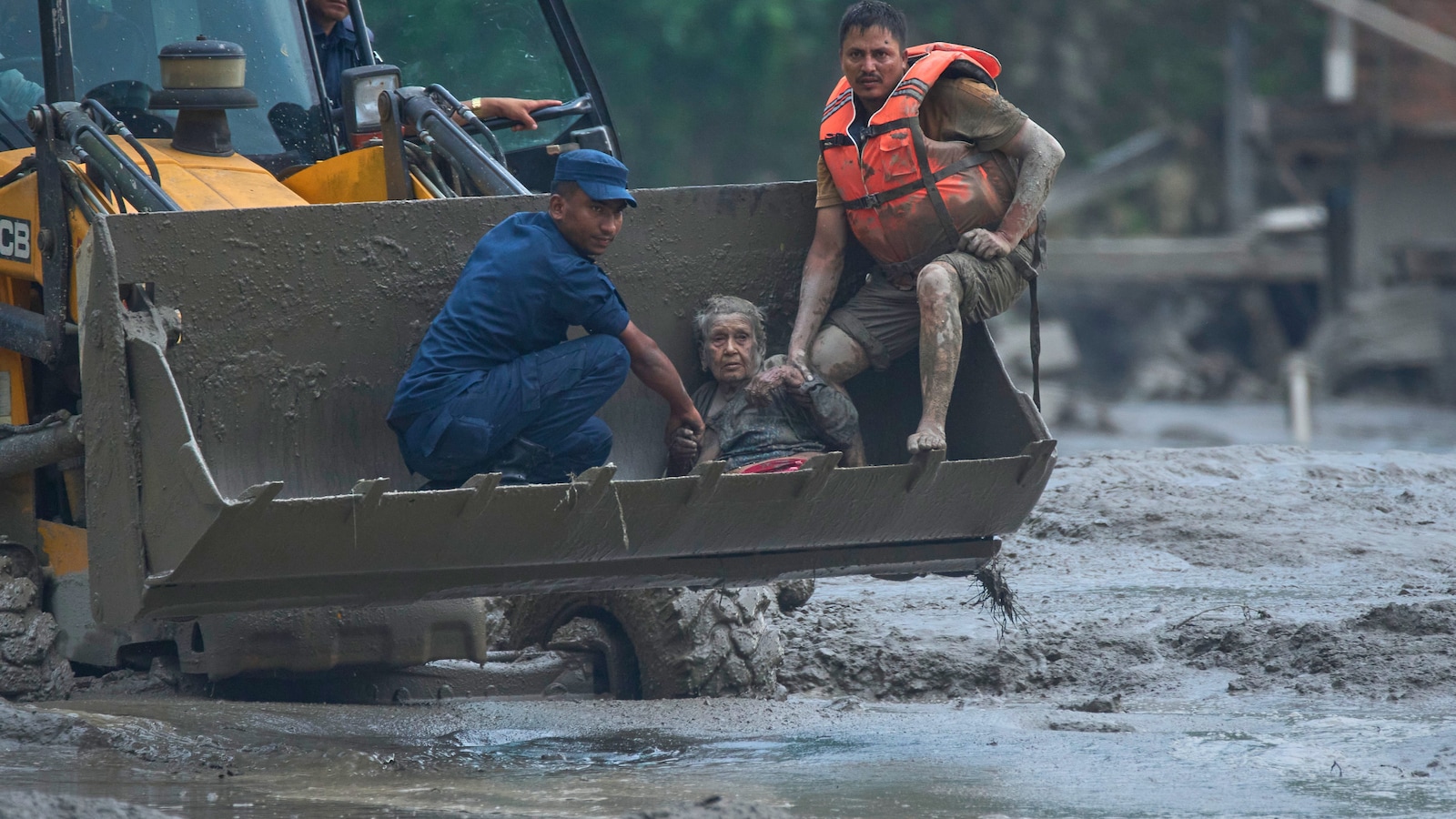
The article presents Nepal’s August flash flood in the Bhote Koshi-Trishuli river system as an example of climate-related danger in the Himalayas.
A UK government assessment identified the Himalayas as critically degraded and warned that rising temperatures are increasing avalanche risks in the western Himalayas.
The article says Nepal contributed 0.01% of global CO2 emissions since 1751 and 0.05% in 2024, while suffering severe ecological disasters.
It reports that the Hindu Kush Himalaya has lost up to 27 metres of ice thickness since 1975, threatening 10 major Asian river systems.
The author argues that climate coverage and negotiations often emphasize economic losses while giving too little attention to human suffering and responsibility for emissions.
- Who
- Nepal and communities exposed to Himalayan climate-related hazards; the article also discusses major emitting economies and fossil fuel companies.
- What
- An opinion article links Nepal’s August flash flood and Himalayan degradation to global warming and unequal contributions to carbon emissions.
- Where
- The Bhote Koshi-Trishuli river system in Nepal and the wider Hindu Kush Himalaya.
- When
- The flood occurred in August; the article also cites findings published in January and March 2026 and emissions figures for 2024.
- Why
- The article argues that rising temperatures and global emissions contribute to environmental risks, while Nepal bears substantial impacts despite its small emissions contribution.
Human and environmental impacts
Economic and diplomatic framing
How climate impacts are framed
Human and environmental impacts
The article argues that coverage should foreground human suffering and the unequal exposure of communities such as those in Nepal.
Economic and diplomatic framing
The article says climate coverage often emphasizes economic impacts, including infrastructure damage, business disruption, and lost working hours, as well as international relations.
Responsibility and consequences
Human and environmental impacts
The author argues that Nepal has contributed little to global emissions but faces severe ecological harm, while major emitters and fossil fuel producers are comparatively insulated.
Economic and diplomatic framing
The article notes that climate negotiations have often centered on projected economic losses, a framing it says can reduce complex harms to monetary costs.
Key facts
- UK assessment
- Published in January 2026, it identified the Himalayas among six ecosystems under critical degradation.
- Nepal emissions since 1751
- 0.01% of global CO2 emissions, according to the article.
- Nepal emissions in 2024
- 0.05% of global CO2 emissions, according to the article.
- Hindu Kush Himalaya ice loss
- Up to 27 metres of ice thickness since 1975, reported in March 2026.
- River systems at risk
- 10 major Asian river systems.
- Fossil fuel emissions
- An analysis cited by the article attributes half of global climate-heating carbon emissions to fossil fuels produced by 36 companies.
Sources
Related news

Nepal Seeks Himalayan Resilience Pact After Deadly Floods
Nepal Seeks Loss and Damage Compensation After Devastating Floods

Nepal Proposes Himalayan Climate Mechanism With India and China
Nepal Seeks Global Aid After Himalayan Flash Flood Damage
Nepal’s Floods Spur Calls for a New Himalayan Disaster Compact
Himalayan Glacier Loss Signals India’s Looming Water Crisis

SSB Arrests Sikkim Man With Pistol Near India-Nepal Border

Students from 83 Schools Gather for Clifford Hicks Debate
Nepal Ends Flood Search, Turns to Recovery and Reconstruction

Akhilesh Pathak Takes Charge as POWERGRID Projects Director