3 hrs ago
Nepal Seeks Loss and Damage Compensation After Devastating Floods
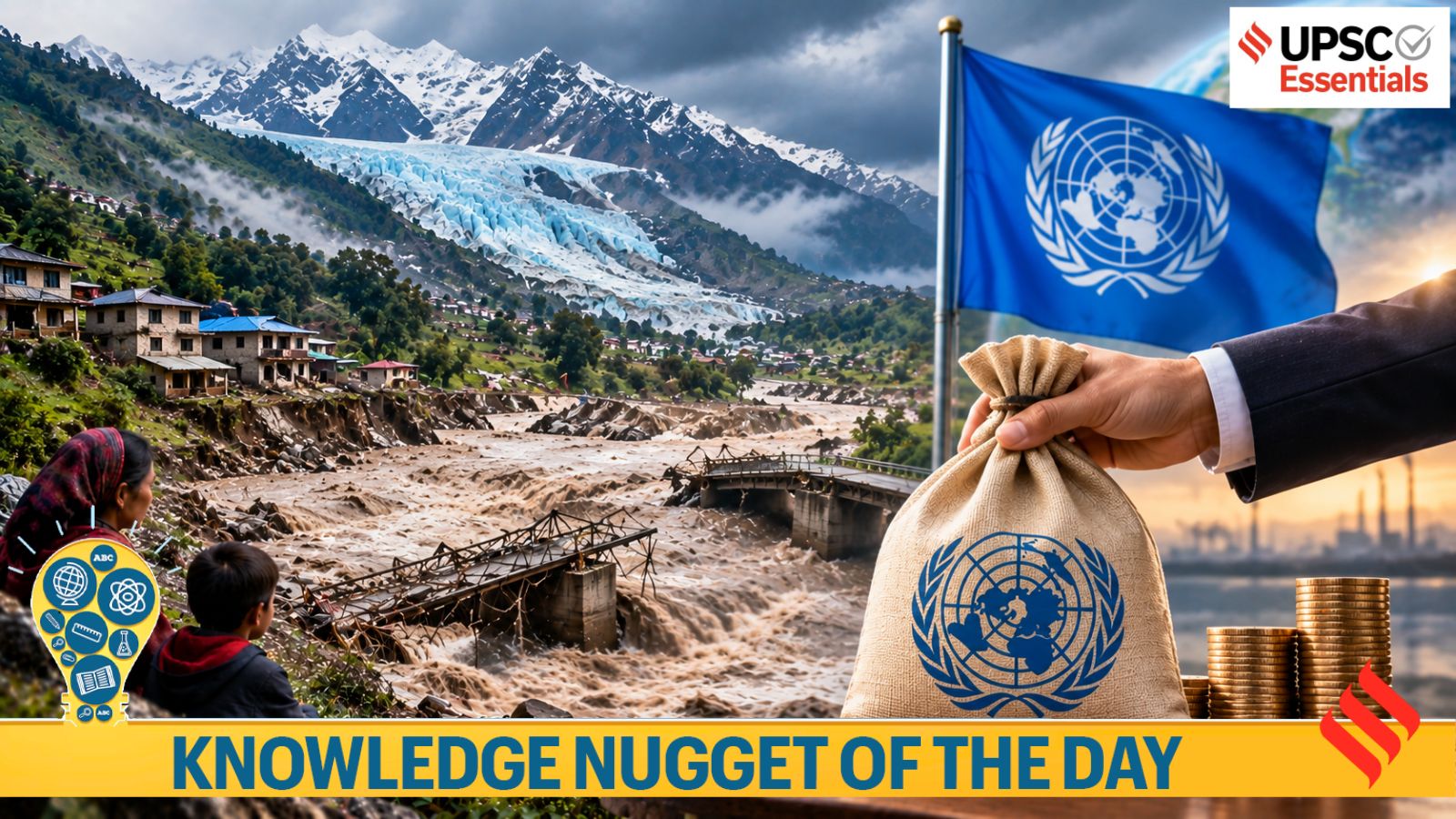
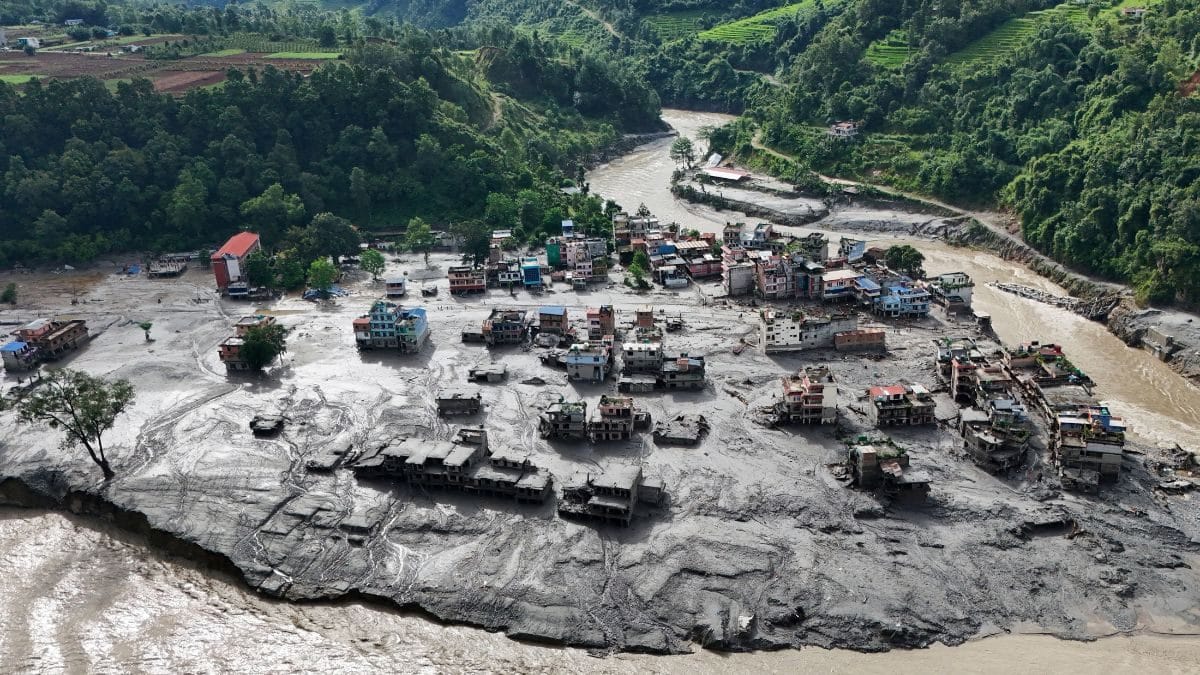
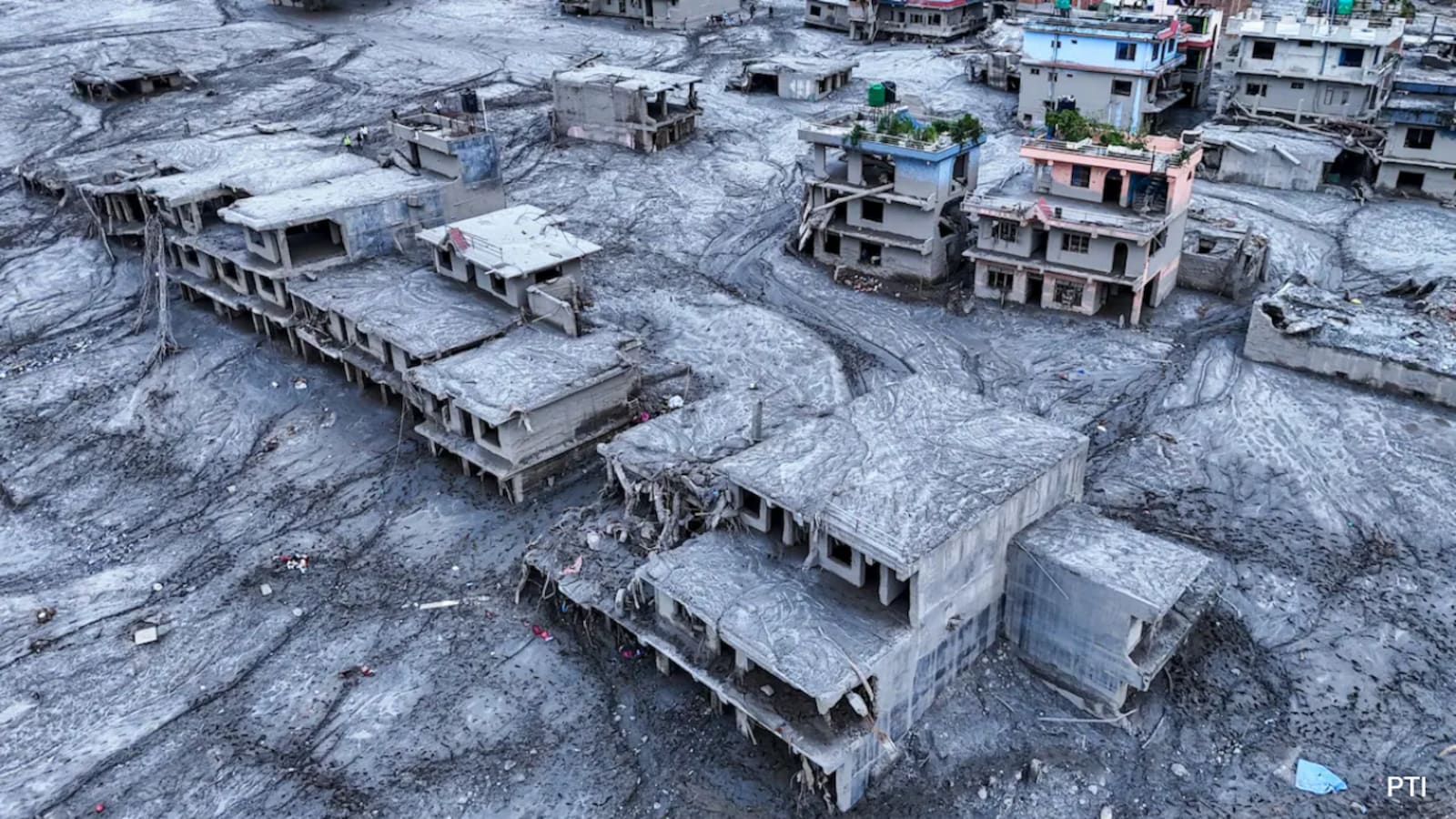
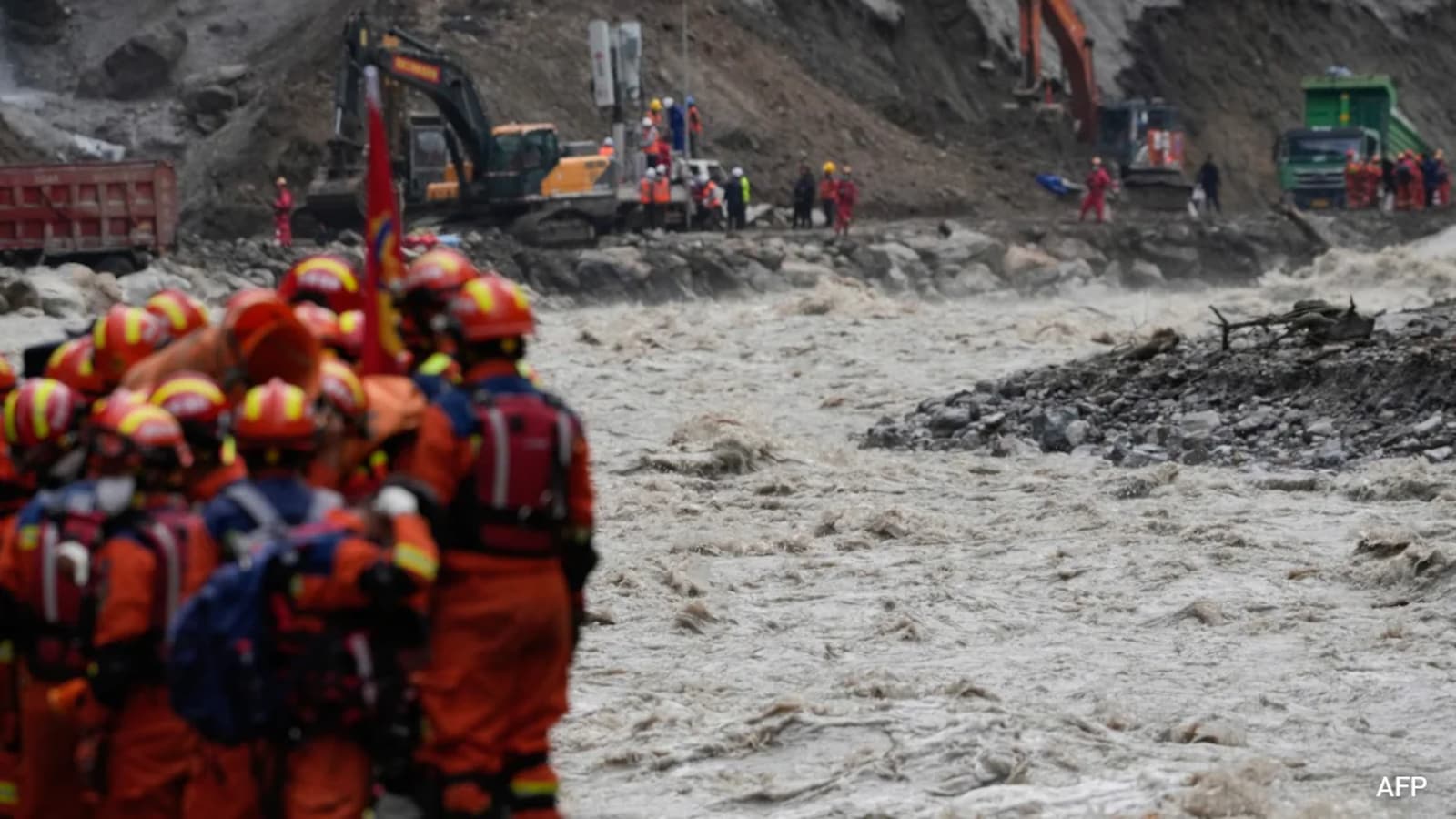
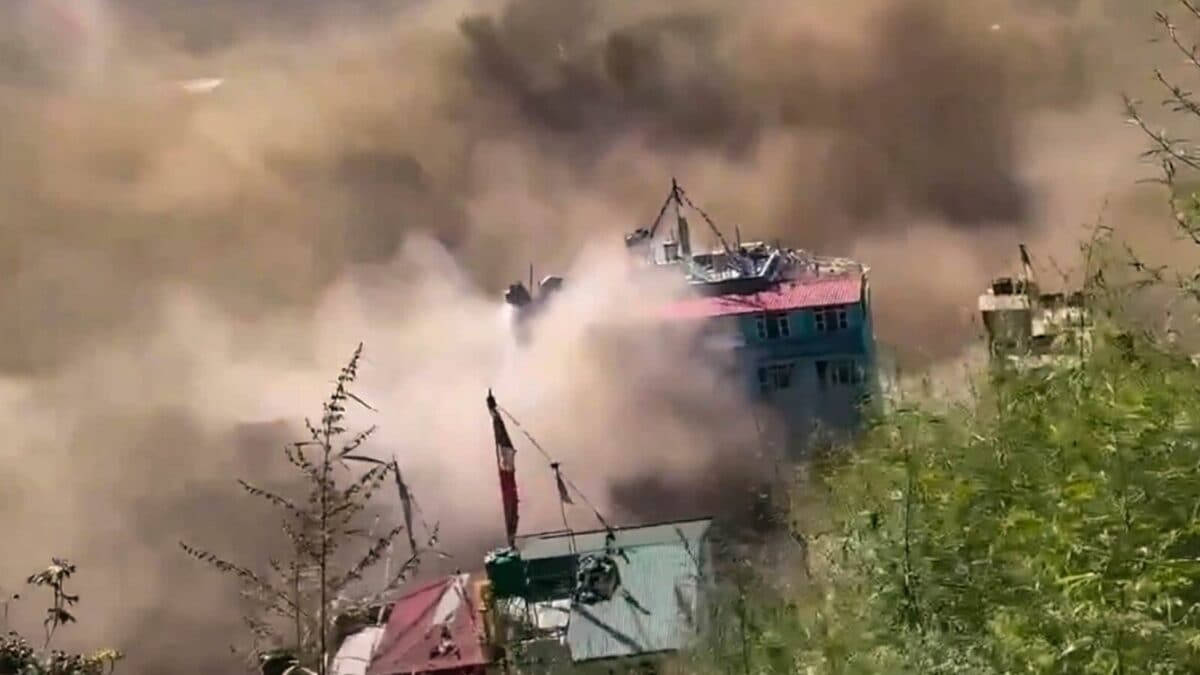
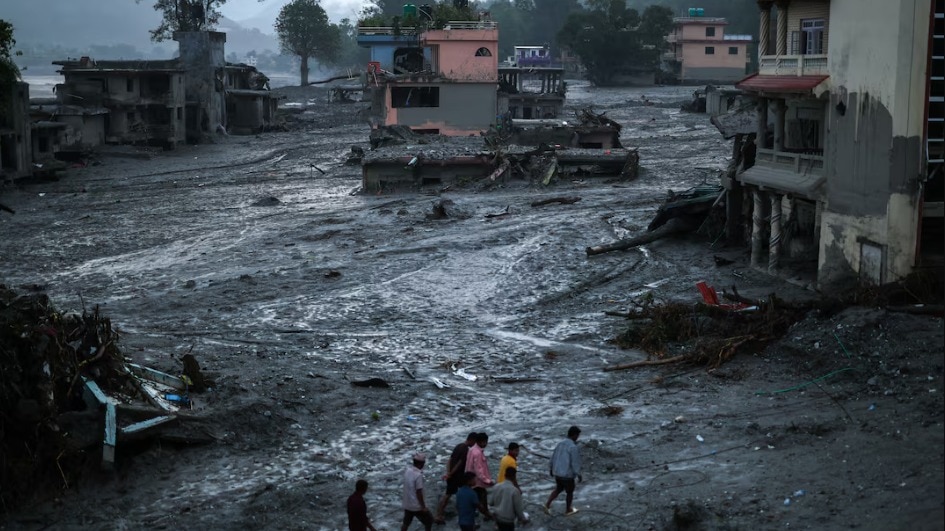
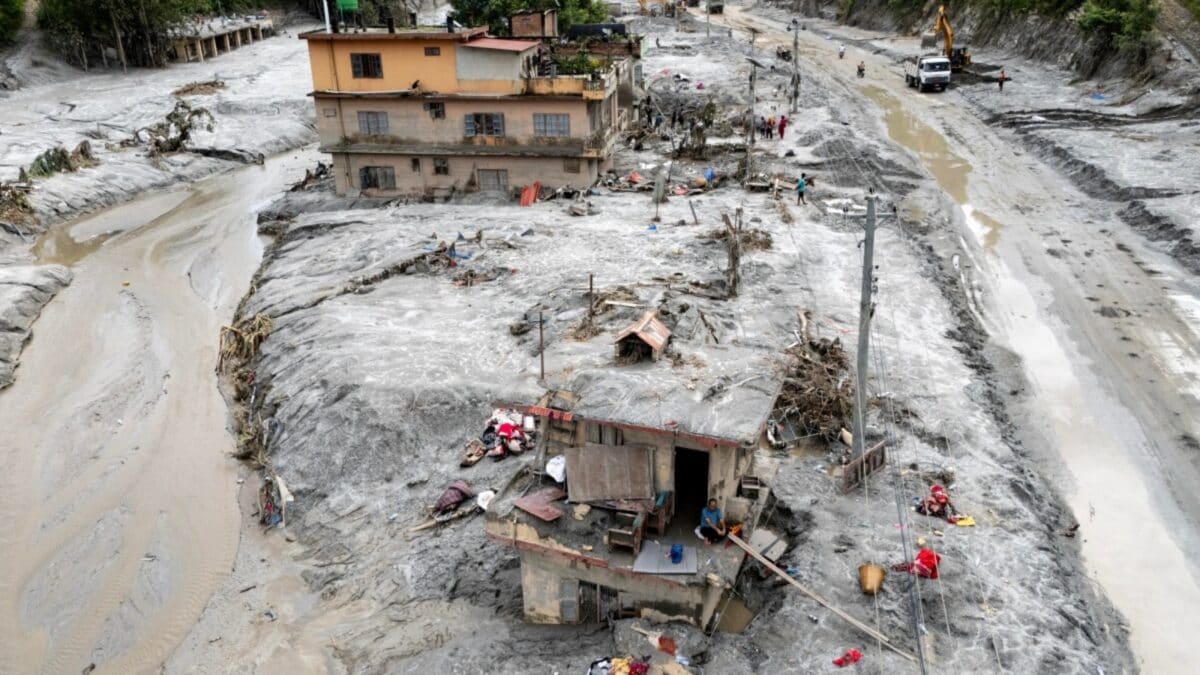
Nepal was hit by a very destructive flash flood that killed more than 1,000 people.
Thousands of others were still missing almost 10 days later.
Villages, bridges, and roads were swept away.
Nepal produces very little pollution compared with major industrial countries.
Its foreign minister says the country is suffering from climate change even though it did not cause most of the problem.
He asked the United Nations’ Loss and Damage Fund for help.
This fund was created to help poorer countries recover from climate-related disasters.
Richer countries have contributed money, but giving money to the fund is voluntary.
Nepal says this should be viewed as responsibility and fairness, not simply charity.

Nepal’s catastrophic flash floods killed more than 1,000 people, while thousands remained missing nearly 10 days later.
Foreign Minister Shishir Khanal said Nepal had written to the UN’s Loss and Damage Fund seeking support.
Khanal argued that Nepal’s negligible emissions mean it is suffering consequences from a crisis it did not create.
The fund was agreed at COP27 in Egypt and formally launched at COP28 in Dubai to support vulnerable developing countries.
About $822 million has been pledged, with roughly $350 million allotted for disbursement; the United States has withdrawn after pledging about $17 million.
- Who
- Nepal, represented by Foreign Minister Shishir Khanal, has sought support from the United Nations’ Loss and Damage Fund.
- What
- Nepal is seeking compensation and assistance after catastrophic flash floods killed more than 1,000 people and caused widespread destruction.
- Where
- Nepal; the Loss and Damage Fund was agreed at COP27 in Egypt and launched at COP28 in Dubai, United Arab Emirates.
- When
- The request was made after the floods, with thousands still missing nearly 10 days later.
- Why
- Nepal argues that its greenhouse-gas emissions are negligible while it is suffering severe consequences of global climate change.
Climate Responsibility and Compensation
Voluntary Climate Financing
Who should pay?
Climate Responsibility and Compensation
Nepal says wealthy industrialised countries that contributed most to accumulated carbon emissions have a legal and moral responsibility to compensate vulnerable countries.
Voluntary Climate Financing
The fund’s contributions are voluntary, and the article does not describe a binding requirement for individual countries to pay compensation.
Nepal’s request
Climate Responsibility and Compensation
Nepal argues that its very low emissions should qualify it for assistance because it is bearing the consequences of a global crisis it did not create.
Voluntary Climate Financing
Support is provided through an international fund intended to help vulnerable developing countries, rather than automatically treating every disaster as a direct compensation claim.
United States participation
Climate Responsibility and Compensation
The United States was identified as the largest historical contributor to atmospheric carbon dioxide and therefore as having significant climate responsibility.
Voluntary Climate Financing
The United States withdrew from the mechanism after pledging about $17 million; the article also says President Donald Trump referred to climate change as a “hoax.”
Key facts
- Flood toll
- More than 1,000 people were reported dead, and thousands remained missing nearly 10 days later.
- Nepal’s emissions
- Nepal’s greenhouse-gas emissions were described as virtually negligible.
- Fund created
- The Loss and Damage Fund was agreed at COP27 in 2022.
- Fund launched
- It was officially launched at COP28 in 2023 in Dubai, United Arab Emirates.
- Total pledges
- Around $822 million has been pledged to the fund.
- Available disbursement
- Around $350 million has been allotted for disbursement.
- United States contribution
- The United States had pledged about $17 million but later withdrew from the funding mechanism.
- United Arab Emirates contribution
- The United Arab Emirates provided $100 million.
Quotes
Shishir Khanal
Nepal’s foreign minister
“Nepal’s greenhouse gas emissions are virtually negligible. Yet, we are paying the ultimate price for a global crisis we did not create. The rapid melting of glaciers and these catastrophic mountain tsunamis are direct consequences of global climate change… This is not a matter of charity; it is a matter of legal and moral liability.”
 indianexpress.com
Sources
Related news
Nepal’s Climate Compensation Call Tests UN Loss Fund

Nepal Seeks Climate Compensation After Deadly Floods
Nepal Seeks Climate Justice as Reconstruction Costs Reach $5 Billion
Nepal's Climate Grievance Is Valid, But India's Liability Isn't
Nepal Floods Prompt LDCs to Demand Urgent Climate Finance
Nepal Seeks Global Aid After Himalayan Flash Flood Damage
Why Nepal’s Deadly Floods Were So Difficult To Predict