

1 hr ago
Himalayan Glacier Loss Signals India’s Looming Water Crisis
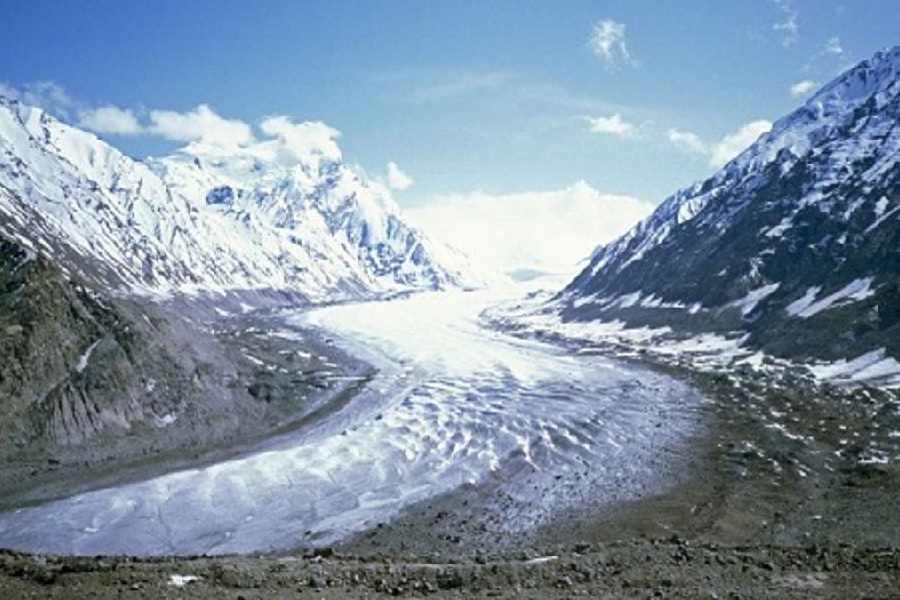
The Himalayan mountains store huge amounts of ice that slowly provide water to rivers.
That water is important for farms, cities, factories and electricity in India.
The ice is melting faster than it did before.
Scientists warn that river water could eventually start decreasing after reaching “peak water.”
A flood from a melting glacial lake in Nepal recently killed around 1,410 people.
India has identified 56 glacial lakes as being at very high risk.
Only a small number of Himalayan glaciers are currently monitored.
The editorial says countries should improve monitoring, limit unsafe construction and reduce pollution that speeds up melting.

A glacial lake outburst flood in Nepal last month killed around 1,410 people and caused widespread destruction.
A recent report says Himalayan glaciers are losing mass 65% faster than a decade ago.
The Himalayas could reach “peak water” by mid-century, while the Hindu Kush Himalayas may lose up to 80% of current glacier volume by 2100.
India’s Indus, Ganga and Brahmaputra river systems support agriculture, industry and downstream livelihoods.
India has classified 56 glacial lakes as “very high risk,” while only about 21 of an estimated 40,000 Himalayan glaciers are being monitored.
- Who
- India and other countries connected to the Himalayan region are affected; the report was compiled by Systemiq with the Integrated Mountain Initiative and supported by the International Centre for Integrated Mountain Development and G.B. Pant National Institute of Himalayan Environment.
- What
- A report and a recent glacial lake outburst flood have highlighted accelerating Himalayan ice loss, flood risks and a potential future water crisis.
- Where
- The crisis concerns the Himalayas and Hindu Kush Himalayas, with major consequences for India and downstream river basins.
- When
- The flood occurred last month; India’s assessment of high-risk lakes was conducted in 2025, and the Himalayas could reach “peak water” by the middle of the century.
- Why
- Glacier loss, glacial lake hazards, black-carbon pollution and construction in fragile mountain areas threaten water supplies, livelihoods and economic activity.
Key facts
- Recent disaster
- A glacial lake outburst flood in Nepal last month killed around 1,410 people.
- Rate of glacier loss
- Himalayan glaciers are reportedly losing mass 65% faster than a decade ago.
- Projected ice loss
- The Hindu Kush Himalayas could lose up to 80% of present glacier volume by 2100.
- High-risk lakes
- India classified 56 glacial lakes as “very high risk” after a 2025 assessment of 189 high-risk lakes.
- Monitoring gap
- About 21 of an estimated 40,000 glaciers across the Himalaya-Karakoram region are currently monitored.
- Economic dependence
- The report estimates that Rs 64.8 lakh crore, or 21.5% of India’s GDP, depends on the Himalayas.
- Main proposed responses
- The editorial calls for continuous lake monitoring, stricter scrutiny of mountain construction and reductions in black-carbon emissions.
Sources
Related news

Himalayan Glacier Melt Threatens Water Security and Livelihoods
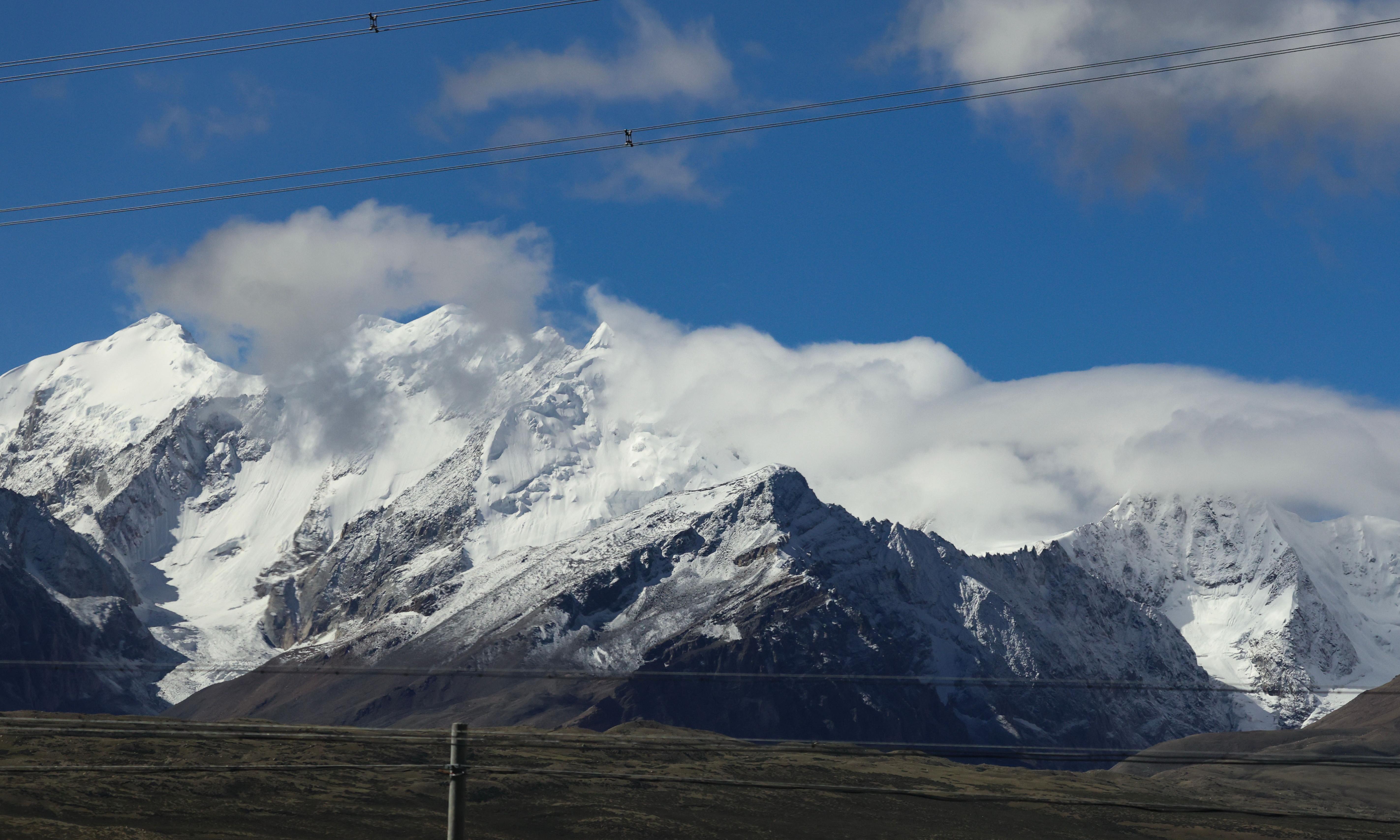
Himalayan Glaciers Near Tipping Point, Threatening Millions’ Livelihoods
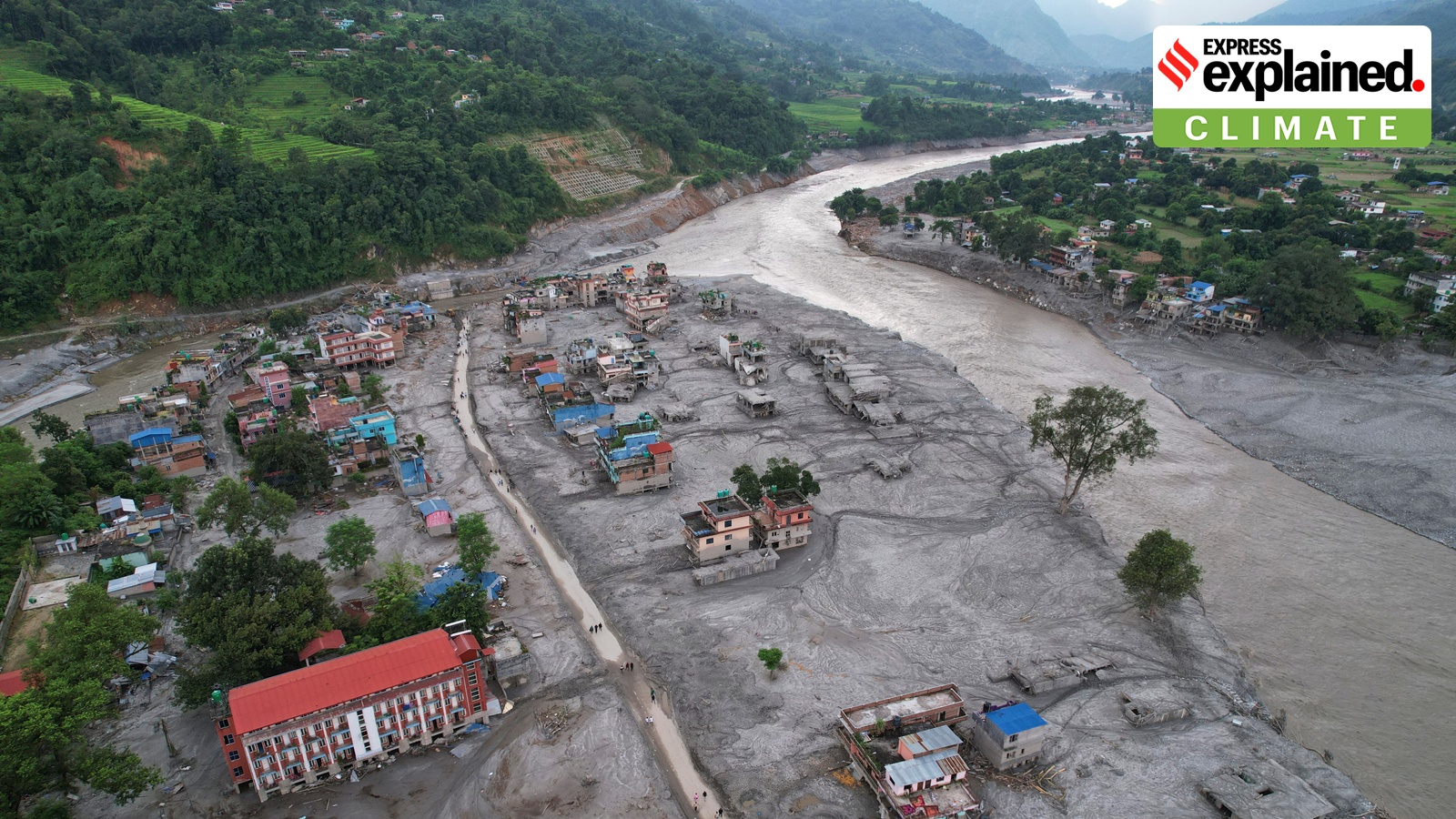
Melting Himalayas Put One-Fifth of India’s GDP at Risk

Melting Himalayan Glaciers Raise Risk of Downstream Floods
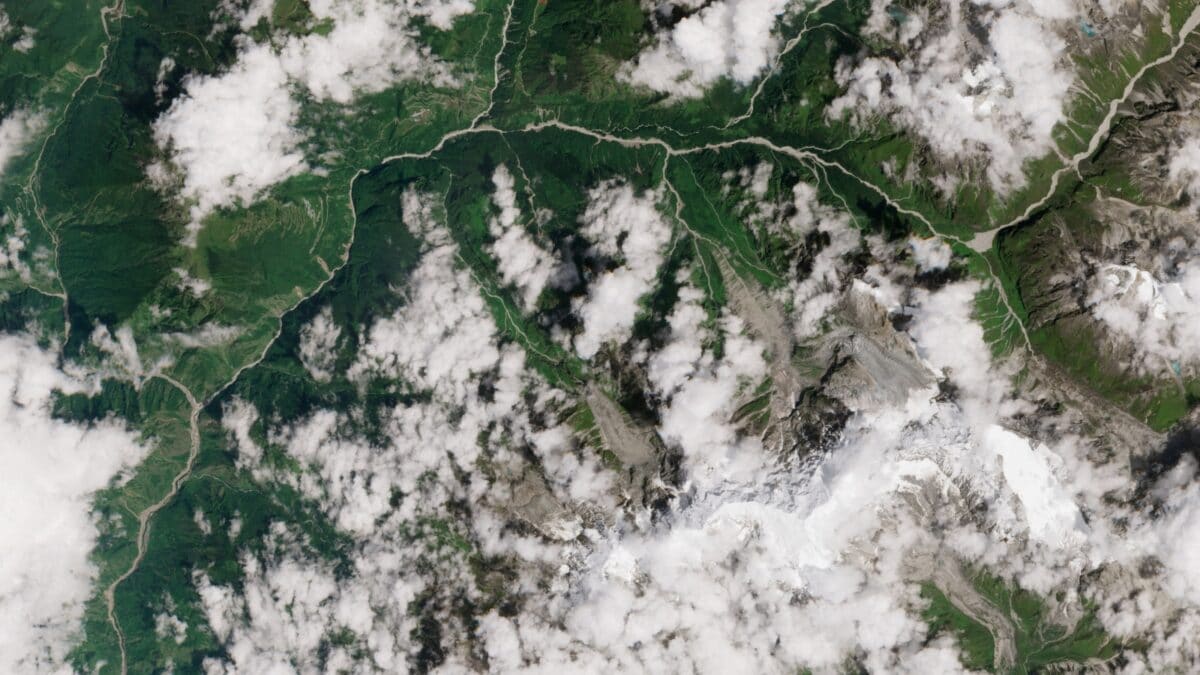
Himalayan Melt and Monitoring Gaps Threaten Northern India
