1 week ago
Japan’s July Exports Surge on US and China Demand
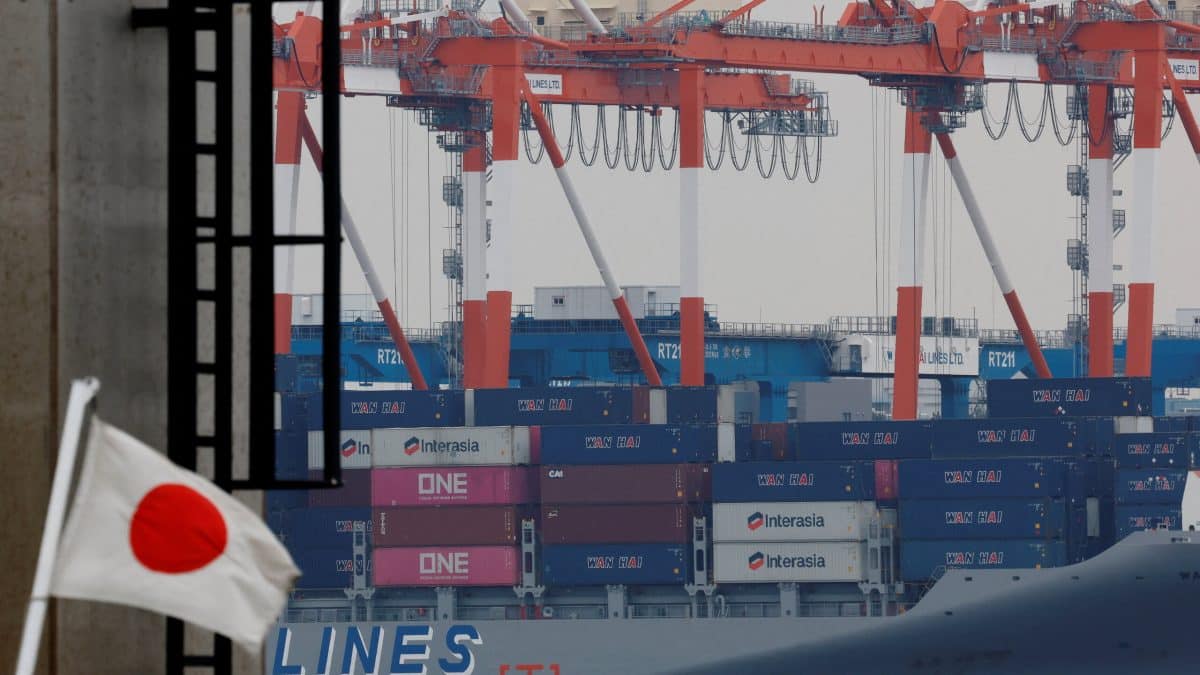
Japan sold many more goods to other countries in July.
Its exports reached a record value of 11.5 trillion yen.
Sales to the United States rose 22%, and sales to China rose 25.8%.
This helped Japan’s economy while people and businesses at home were spending less.
Japan also bought more goods and energy from other countries.
Because imports rose faster than exports, Japan still had a trade deficit.
Some of the export increase came from higher prices, not just from selling more products.
Strong overseas sales could make the Bank of Japan more comfortable raising interest rates, but the economy still needs stronger spending at home.

Japan’s exports rose 23.2% year-on-year to a record 11.5 trillion yen in July.
Shipments to the United States increased 22%, while exports to China climbed 25.8%.
Imports grew 27.8%, leaving Japan with a 634.5 billion yen trade deficit.
Higher prices helped lift export values, while export-volume growth remained more subdued.
Strong exports may support Bank of Japan rate increases, despite weak domestic consumption and investment.
- Who
- Japan, Japanese exporters, the United States, China, and the Bank of Japan.
- What
- Japan’s exports rose 23.2% year-on-year in July to a record 11.5 trillion yen, while imports rose 27.8%.
- Where
- Japan and its overseas markets, especially the United States and China.
- When
- July; the data were reported on Thursday.
- Why
- Strong overseas demand helped offset weak Japanese consumer spending and business investment; higher prices also increased export values.
Export-led resilience
Domestic-economy caution
Strength of the recovery
Export-led resilience
Record exports and resilient demand from the United States and China suggest Japanese manufacturers can continue supporting economic growth.
Domestic-economy caution
Weak private consumption and business investment mean overseas demand alone may not produce a sustained recovery.
Bank of Japan policy
Export-led resilience
Continued economic expansion and strong exports could give the Bank of Japan confidence to keep normalizing policy and potentially raise rates as soon as September.
Domestic-economy caution
Weak domestic demand remains a concern, and policymakers must consider whether the economy can withstand higher borrowing costs.
Meaning of record export value
Export-led resilience
The record value shows that Japanese goods continue to find strong demand abroad.
Domestic-economy caution
Higher prices contributed to the record value, so it does not necessarily indicate a similarly large increase in the amount of goods shipped.
Key facts
- July exports
- 11.5 trillion yen ($72.62 billion), up 23.2% year-on-year
- Exports to United States
- Up 22% year-on-year
- Exports to China
- Up 25.8% year-on-year
- July imports
- Up 27.8% year-on-year
- Trade balance
- 634.5 billion yen deficit
- Export volumes
- Growth was more subdued than the increase in export values
- Monetary policy
- Markets are watching for a possible Bank of Japan rate increase as soon as September
Sources
Related news

Japan Sets July Export Record Despite Third-Month Trade Deficit

Japan wholesale inflation stays elevated, bolstering September rate hike bets
India's merchandise exports clock 19.6% growth in July despite headwinds

India's July Exports Hit Record High as Trade Deficit Widens

India's exports to US, China, West Asia rise
Japan July Inflation Strengthens Case for September BOJ Rate Hike

Trump Floats Renaming Strait of Hormuz as ‘Trump Strait’

Chevron Plans $7 Billion Venezuela Expansion Amid U.S. Oil Push

Saudi Arabia Says Iranian Tanker Attack Killed Two Sailors
U.S.-Iran Exchange Escalates Across Middle East, Markets Slide

Trump Aides Seek Quiet Iran War Before Midterm Elections