1 week ago
Japan July Inflation Strengthens Case for September BOJ Rate Hike
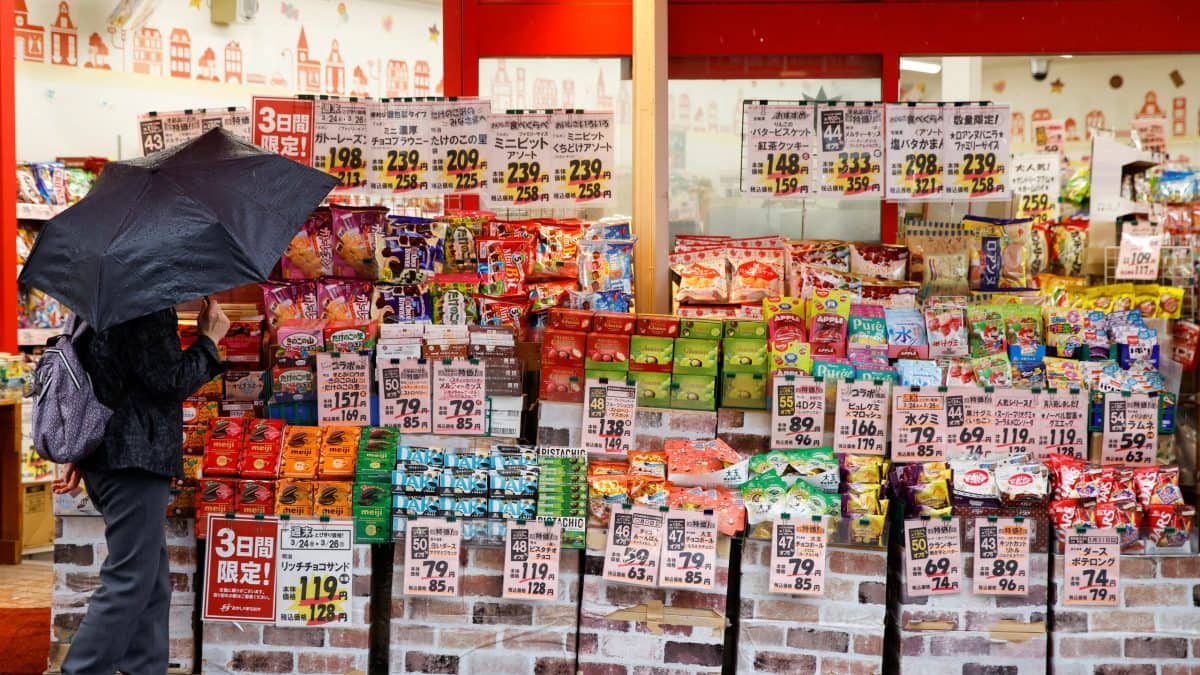
Prices in Japan rose faster in July than they did in June.
A measure that leaves out fresh food showed prices increasing by 1.8% from a year earlier.
This was still below the Bank of Japan’s 2% goal.
Another measure that also leaves out energy showed prices rising by 1.9%.
Service prices also increased, partly because businesses face higher labor costs.
A weaker yen can make imported fuel and materials more expensive.
These changes may encourage the Bank of Japan to raise interest rates in September.
However, higher rates could make borrowing more expensive and slow spending and investment.
The bank must decide how to control inflation without hurting Japan’s economic growth.

Japan’s core consumer inflation rose to 1.8% in July from 1.6% in June.
Core inflation remained below the Bank of Japan’s 2% target for a seventh consecutive month.
Inflation excluding fresh food and energy increased to 1.9%, while services inflation rose to 1.2%.
The Bank of Japan is widely expected to consider raising its policy rate from 1% to 1.25% at its September 17–18 meeting.
Policymakers must balance persistent price pressures against slower-than-expected economic growth and slightly weaker private consumption.
- Who
- Japan’s government reported the inflation data, and the Bank of Japan is assessing its next interest-rate decision.
- What
- Core consumer inflation accelerated in July, strengthening expectations of a possible Bank of Japan rate increase.
- Where
- Japan.
- When
- The data covered July; the Bank of Japan’s next policy meeting is scheduled for September 17–18.
- Why
- Higher service, import, labor and potentially energy costs are increasing price pressures, while the Bank of Japan is considering whether inflation is moving sustainably toward its 2% target.
Case for a Rate Hike
Reasons for Caution
Persistent price pressures
Case for a Rate Hike
Faster core inflation, rising service prices, a weak yen and possible higher crude oil prices could push inflation higher and support a September increase.
Reasons for Caution
Core inflation is still below the Bank of Japan’s 2% target, and government fuel-cost measures have helped limit price growth.
Economic impact
Case for a Rate Hike
Higher rates could help control inflation and may be needed if companies continue passing higher import, energy and labor costs to consumers.
Reasons for Caution
Higher borrowing costs could weaken household spending and business investment as economic growth has already been slower than expected and private consumption fell slightly.
Key facts
- July core inflation
- 1.8% year over year, up from 1.6% in June
- Bank of Japan target
- 2% inflation
- Underlying inflation
- Inflation excluding fresh food and energy rose to 1.9% from 1.7%
- Services inflation
- 1.2% in July, up from 1.1% in June
- Current policy rate
- 1%, after a June increase
- Potential September rate
- 1.25%, according to expectations cited in the report
- Second-quarter growth
- The economy grew at an annualized 1.1% in April–June, below economists’ expectations
Quotes
Masato Koike
Senior economist at Sompo Institute Plus
“Core consumer inflation is likely to re‑accelerate given renewed tension in the Middle East, which will push up crude oil prices and add to price pressures from a weak yen.”
 firstpost.com
Sources
Related news
Japan wholesale inflation stays elevated, bolstering September rate hike bets

Japan Faces Policy Reckoning as Bessent Presses Rate Hikes

BOJ Signals Could Shape Rising September Rate-Hike Bets

US Inflation Cools to 3.4% as Fed Weighs September Rates

BlackRock's Rieder Says Yen Rebound Hinges on BOJ Hawkishness
Sticky US inflation lifts dollar, revives Fed hike bets

Japan Cricket Boss Defends Asian Games Facilities Against Concerns

Mitsubishi Revives Pajero With 201PS Fifth-Generation SUV

Europe's Bond Selloff Deepens as Middle East Tensions Lift Oil

Uday Kotak Warns Global Bond Markets Face Roller-Coaster Volatility
Global Bond Sell-Off Pushes Japan Yields To 30-Year High