2 weeks ago
India's merchandise exports clock 19.6% growth in July despite headwinds
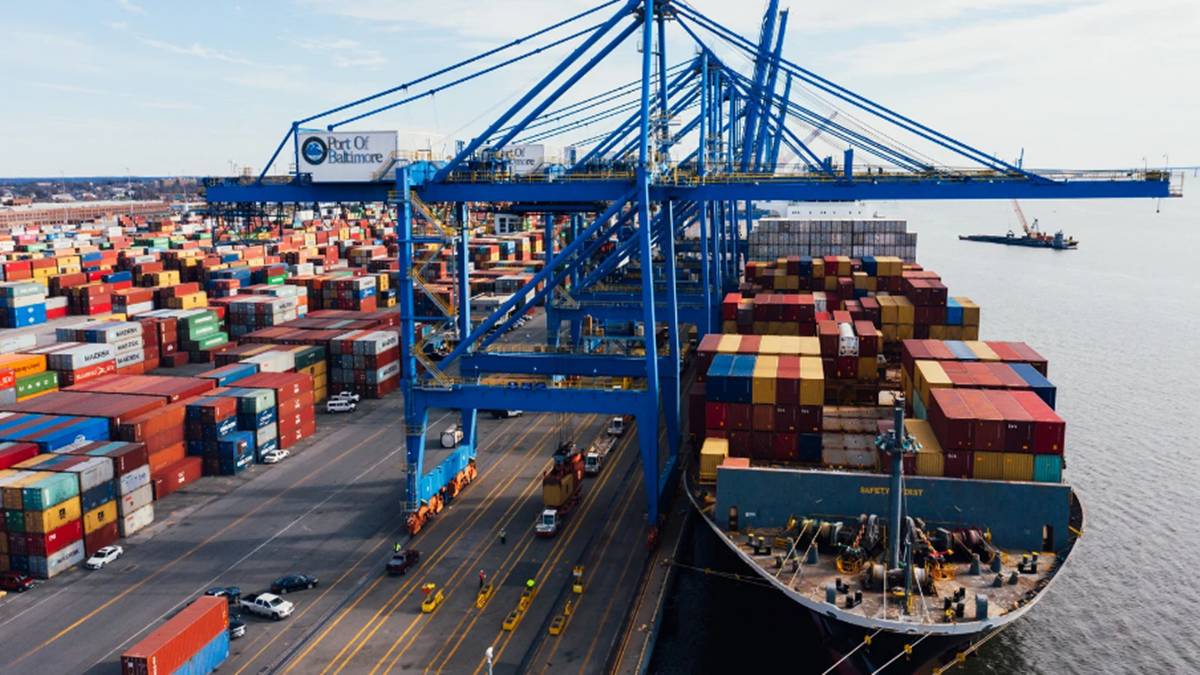
India makes things like phones, machines, and oil products, and sells them to other countries.
In July, India sold much more than before — exports grew by nearly 20 percent.
One report says this was the fastest growth since 2022.
Selling more oil products and electronics helped a lot.
But India also bought more things from other countries, especially oil.
This made the gap between what India buys and what it sells bigger, which is called a trade deficit.
There is fighting in the Middle East, so ships carrying oil have a harder time moving through the sea.
Even so, India found new routes and new markets to keep selling its goods.
The government says buying oil and machines is important for India's economy.
A trade leader, S.C. Ralhan, says India will need more help to keep selling so much.

India's merchandise exports rose 19.6% to $44.24 billion in July; reports differ on whether this is compared with the previous month's $40.41 billion or year-on-year, the fastest pace since June 2022.
Petroleum product exports surged 67.64% to $6.91 billion on firmer crude prices, while engineering goods grew 17.7% to $12.2 billion and electronics shipments rose 57.4% to $5.91 billion.
Imports rose 17.52% to $76.22 billion, with oil imports up 17.64% to $18.31 billion, widening the merchandise trade deficit to $31.98 billion, the highest since January.
Exports to West Asia grew 8.6% to $5.7 billion despite the choked Strait of Hormuz, while US (+12.9%) and UAE (+10.15%) markets returned to growth.
April–July exports rose 17.04% to $173.78 billion, and April–June exports of $129.54 billion were the highest-ever quarterly performance in India's history.
- Who
- India's Commerce Secretary Rajesh Agarwal (also reported as Agrawal), who announced the trade data; Federation of Indian Export Organisations president S.C. Ralhan also commented on the outlook.
- What
- Merchandise exports rose 19.6% to $44.24 billion in July while imports climbed 17.52% to $76.22 billion, widening the trade deficit to $31.98 billion.
- Where
- India, amid global shipping disruptions through the Strait of Hormuz and near the Red Sea caused by the West Asia conflict.
- When
- July, within the current financial year (2026-27), with April–July cumulative figures also reported.
- Why
- Higher exports of petroleum, engineering, electronics and marine goods lifted shipments, while hardening crude prices and supply disruptions, including Houthi attacks near the Red Sea, pushed up imports.
Government and official view
Analyst and market view
Drivers of export growth
Government and official view
Officials say the surge reflects the resilience of India's external sector, growing competitiveness, and agile market diversification despite West Asia shipping disruptions.
Analyst and market view
Analysts note the growth was primarily driven by low-value-addition items such as petroleum products and electronics, making the surge look less broad-based.
Widening trade deficit
Government and official view
The government says the wider deficit reflects higher imports of essential and productive goods needed for economic growth, industrialisation and export competitiveness, not structural weakness.
Analyst and market view
The deficit at $31.98 billion is the highest since January, and with oil imports still rising and geopolitical tensions unresolved, external-sector strains remain a risk.
Key facts
- Merchandise exports (July)
- $44.24 billion, up 19.6% (fastest since June 2022 per one report)
- Merchandise imports (July)
- $76.22 billion, up 17.52%
- Merchandise trade deficit (July)
- $31.98 billion, highest since January ($34.8 billion)
- Petroleum product exports (July)
- $6.91 billion, up 67.64%
- Electronics exports (July)
- $5.91 billion, up 57.4%
- Engineering exports (July)
- $12.2 billion, up 17.7% (about 27% of total exports)
- Exports to West Asia (July)
- $5.7 billion, up 8.6%
- Record quarterly exports (April–June)
- $129.54 billion, highest-ever in India's history
Quotes
Commerce Secretary Rajesh Agrawal
India’s Commerce Secretary
“Sustaining the present export momentum would require continued policy support, particularly as geopolitical tensions, shipping disruptions, freight volatility and evolving trade policies remain significant risks to global commerce.”
 financialexpress.com
“The rebound in West Asia is due to alternate arrangements and the use of ports outside the conflict zone to get goods to the region after the disruption of shipping routes.”
financialexpress.com
Sources

Related news
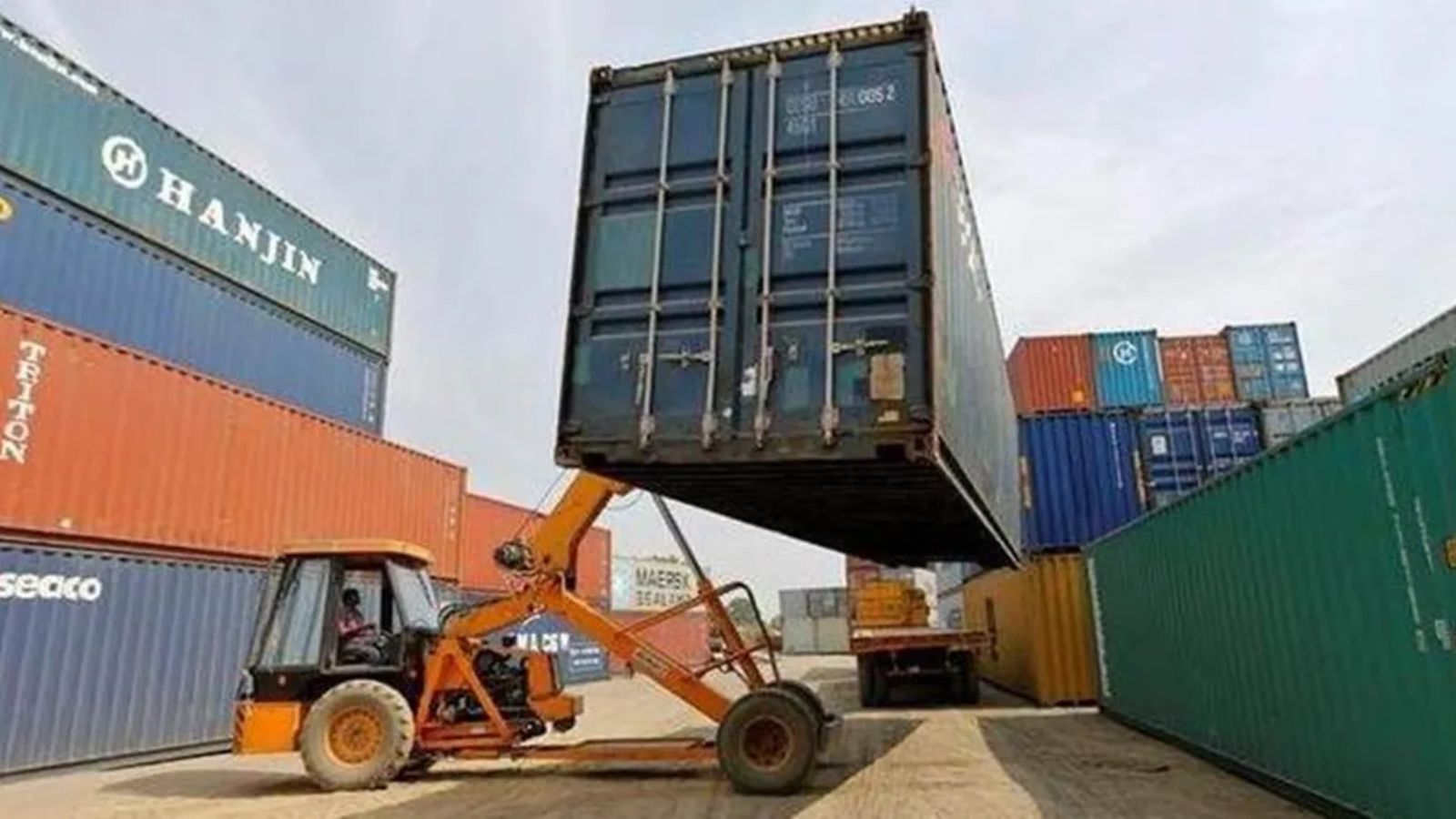
India's exports surge 19.6% as trade deficit hits six-month high

India's July Exports Hit Record High as Trade Deficit Widens

India's exports to US, China, West Asia rise

India's Merchandise Exports Hit Record High of $129.6 Billion

India’s Engineering Exports Rise 18%, US Remains Top Market
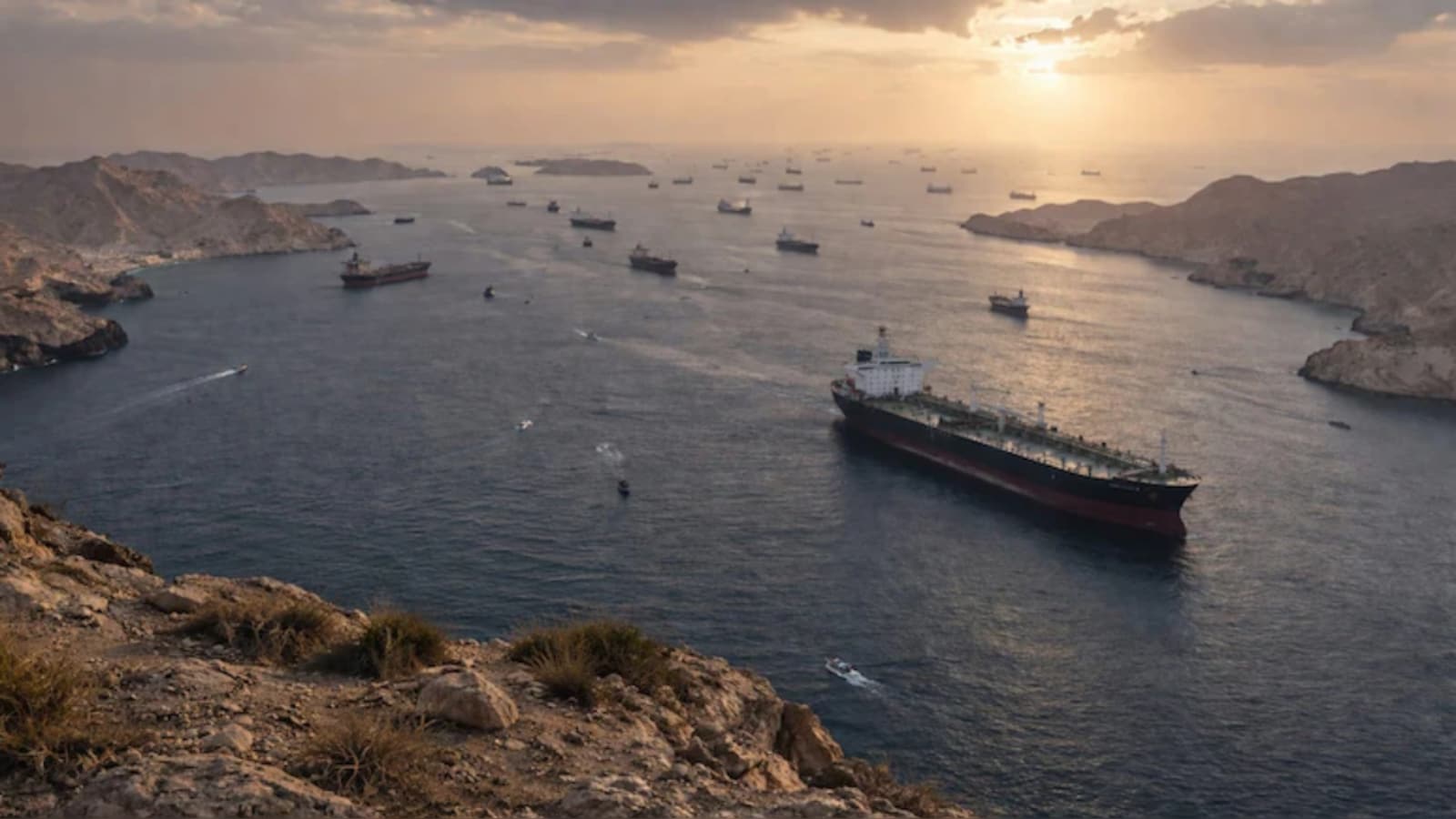
India Hits Record Exports Despite Freight Surge Amid US-Iran War

Saudi Arabia Says Iranian Tanker Attack Killed Two Sailors
U.S.-Iran Exchange Escalates Across Middle East, Markets Slide
Trump Aides Seek Quiet Iran War Before Midterm Elections
US Warns Middle East Travelers Amid Escalating Iran-Linked Tensions

Indian Stocks Slide as Oil, Conflict and Yields Rise