16 hrs ago
Fed Rate Hikes Begin, But Investors Shouldn’t Panic

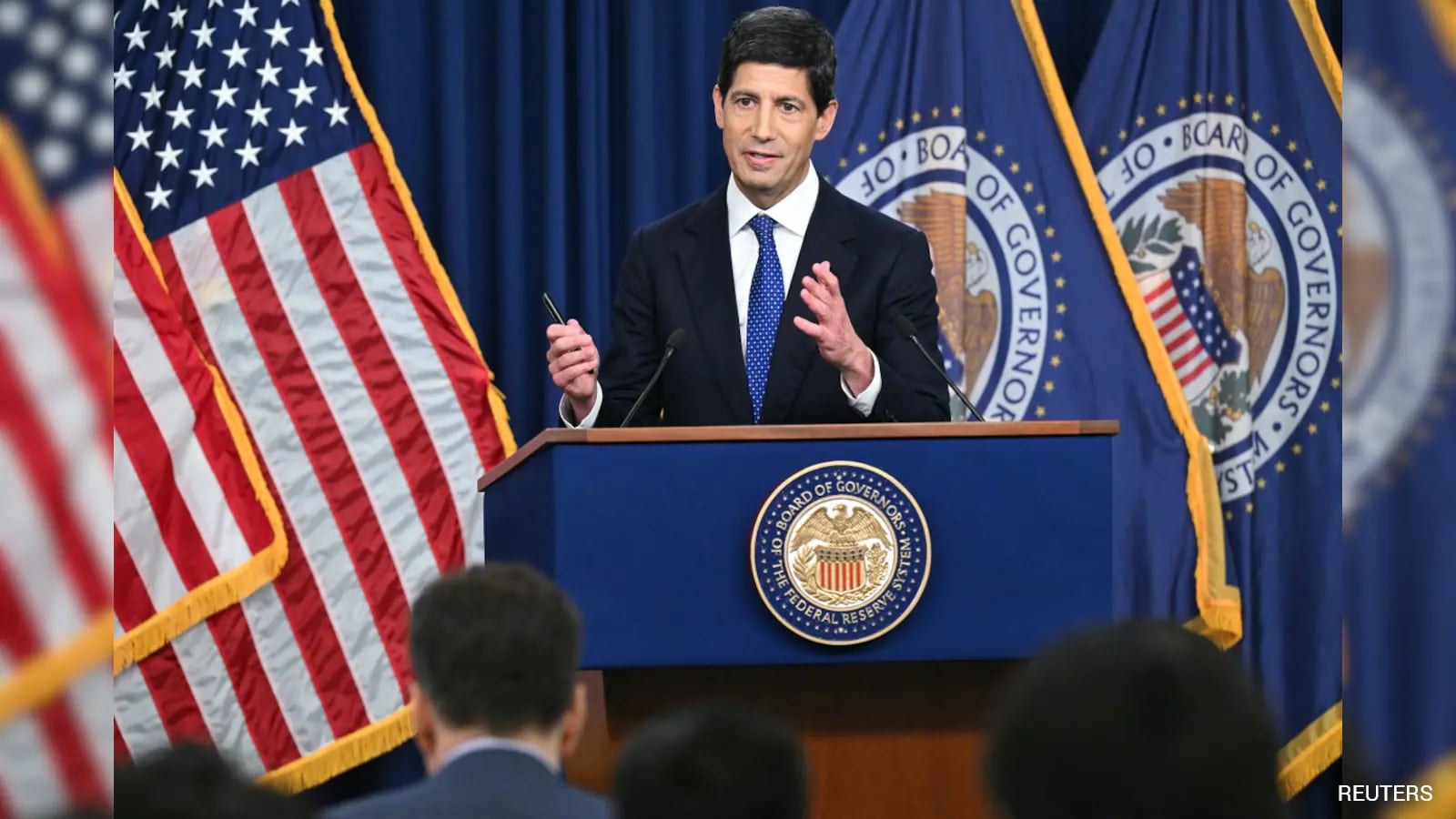
The Federal Reserve has started raising interest rates to fight inflation.
Its rate rose from 3.75% to 4%.
Higher rates can make borrowing more expensive.
Some investors worried that this would hurt stocks and bonds.
The S&P 500 and Nasdaq Composite did fall after the announcement, but they later recovered.
One analyst expects only a few more rate increases because housing costs may cool.
Wage growth may also remain limited because hiring is subdued and workers have little bargaining power.
Another investment strategist says markets have often performed reasonably well after the first rate increase in past cycles.
The direction of inflation may matter more than the rate increase itself.

The Federal Reserve raised its interest rate from 3.75% to 4%, its first increase in three years.
The decision followed relatively stable employment and continued inflation pressures, including effects linked to the Iran war.
The S&P 500 and Nasdaq Composite initially declined but later recovered.
Analysts disagree on whether the Fed will make two or three more increases or pursue a longer tightening campaign.
Cooling housing costs, subdued hiring, and historically constructive market returns could limit the impact on investors.
- Who
- The Federal Reserve and investors; analysts cited include Aditya Bhave, Doug Peta, and Jason Pride.
- What
- The Federal Reserve raised its interest rate from 3.75% to 4%, beginning a new tightening cycle.
- Where
- The policy concerns the United States economy and financial markets.
- When
- The increase was announced at the conclusion of the Federal Open Market Committee meeting last week.
- Why
- The Federal Reserve raised rates to address continuing inflation while employment remained relatively stable.
Limited Tightening and Resilient Markets
Extended Tightening and Greater Risk
How far rates may rise
Limited Tightening and Resilient Markets
Doug Peta of BCA Research expects a mild adjustment, potentially involving only two or three additional quarter-percentage-point increases, as housing inflation cools and wage growth remains limited.
Extended Tightening and Greater Risk
The Federal Reserve could pursue a longer campaign of four or more additional increases if inflation proves persistent or demand-driven inflation takes hold.
Effect on investments
Limited Tightening and Resilient Markets
Jason Pride of Glenmede says historical market performance after the first hike of tightening cycles has often been constructive for both stocks and bonds.
Extended Tightening and Greater Risk
Tighter monetary policy can pressure risk assets, and investors remain concerned that further rate increases could weigh on stocks and bonds if inflation stays elevated.
Key facts
- Rate decision
- The Federal Reserve increased its rate from 3.75% to 4%.
- Timing
- It was the first rate increase in three years.
- Employment
- The job market was described as relatively stable, while hiring rates remained subdued.
- Inflation pressure
- The article cites the Iran war and other supply pressures as fuel for inflation.
- Market reaction
- The S&P 500 and Nasdaq Composite ended lower immediately after the decision but later recovered.
- Housing share of CPI
- Housing accounts for more than one-third of the consumer price index and nearly 45% of core CPI.
- Possible policy path
- Analysts discuss either two or three additional quarter-percentage-point increases or a longer campaign of four or more.
Quotes
Aditya Bhave
Bank of America U.S. economist
“Markets often assume tighter monetary policy is inherently bad for risk assets, but history offers a more nuanced picture. Following the first hike of prior tightening cycles, both stocks and bonds have historically produced constructive returns on average, even as borrowing costs moved higher. The path of inflation has typically mattered more than the fact that the Fed was tightening.”
 livemint.com
“A booming nominal economy, i.e. resilient real growth despite rising inflation, gave the Fed the green light to raise rates. If the Fed doesn’t tighten in this scenario, it runs the risk that as the supply shocks fade, demand-driven inflation might take over.”
livemint.com
Sources
Related news
Fed Raises Rates as Inflation Mounts, Defying Trump
Fed Raises Rates, Signals More Hikes as Inflation Persists

Fed Rate Hike Leaves Treasury Yields Elevated Amid Inflation
Federal Reserve Raises Rates, Signals Another Hike This Year

Wall Street steadies as markets await expected Fed rate hike
Fed Hike Sends Investors Toward Higher-for-Longer Rate Outlook
BofA Turns Constructive on India, Targets 12% Nifty Rise

Volkswagen Warning Fails to Derail European Auto Stock Optimism

Analysts Split on Ather, PhysicsWallah and Indo-MIM Stocks

Humanoid Robot Sales Reach 7,000 as Industry Boom Looms