1 hr ago
Fed Raises Rates, Signals More Hikes as Inflation Persists
The Federal Reserve raised borrowing costs because prices are still rising too quickly.
The increase was one-quarter of a percentage point.
Most Fed policymakers think rates may need to rise again this year.
The Fed wants inflation to return to 2%, but it now expects that to happen in 2029.
The central bank said tariffs, higher energy costs and artificial-intelligence investment are adding to price pressures.
Economic growth was forecast to be slightly stronger than previously expected.
Mortgage rates are also rising, with the average 30-year rate nearing 7%.
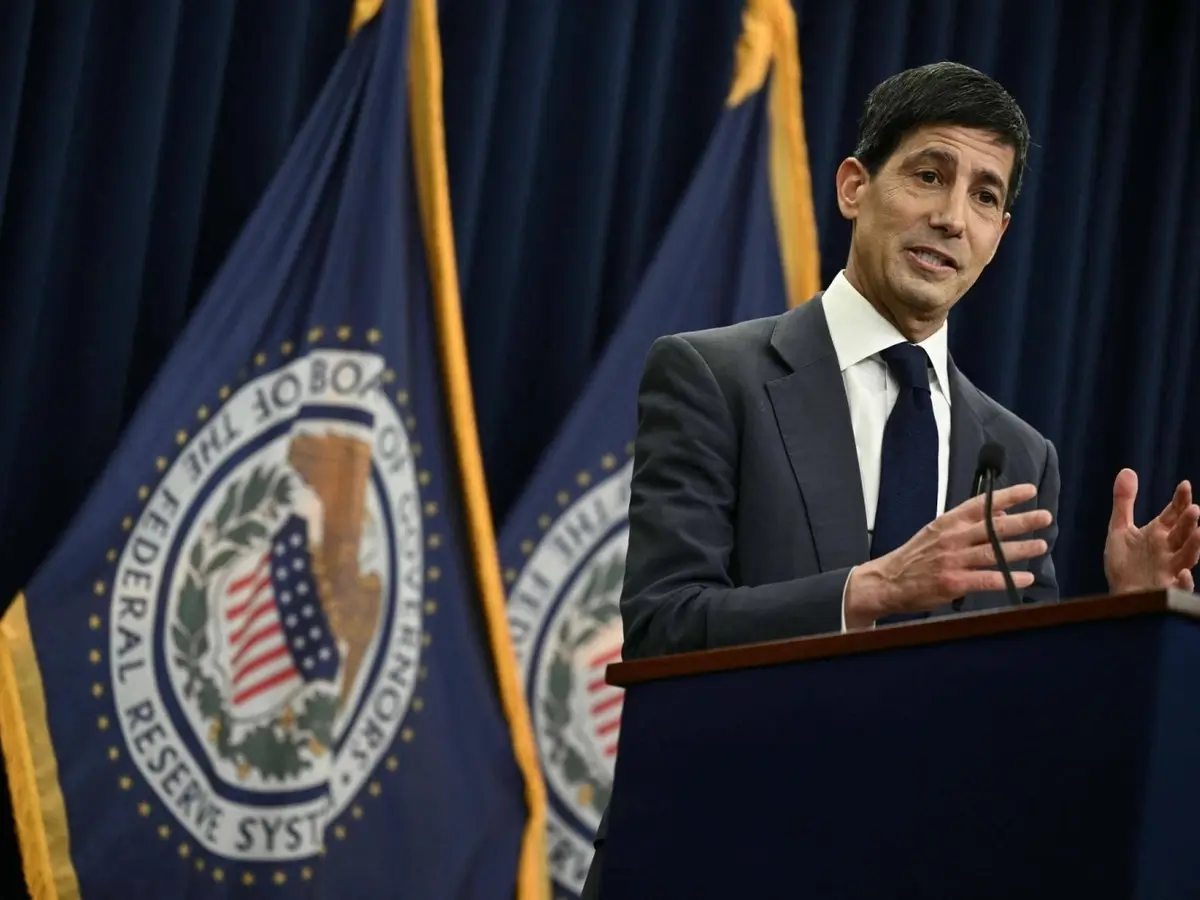
This was Kevin Warsh’s first policy decision as Fed chair, despite President Donald Trump’s expectation that he would lower rates.

The Federal Reserve raised its benchmark interest rate by 0.25 percentage points to a 3.75%-4.00% range.
Sixteen of 18 policymakers expect at least one more quarter-point increase by year-end.
The Fed raised its 2025 inflation projection to 3.7% and delayed the expected return to 2% until 2029.
The central bank cited persistent price pressures linked to tariffs, an energy shock and artificial-intelligence investment.
The decision was the first policy shift under Fed Chair Kevin Warsh, who had been expected by President Donald Trump to cut rates.
- Who
- The Federal Reserve, led in its first policy decision by Chair Kevin Warsh, and President Donald Trump’s administration.
- What
- The Federal Reserve raised its benchmark interest rate and signaled that additional increases may follow.
- Where
- Washington, D.C., according to the article’s dateline.
- When
- Wednesday, following a two-day policy meeting; it was the first policy shift under Warsh, who took office in late May.
- Why
- The Fed said the move would support a timelier return of inflation to its 2% goal as price pressures remained elevated.
Administration’s Lower-Rate Expectations
Fed’s Inflation-Fighting Approach
Interest-rate direction
Administration’s Lower-Rate Expectations
President Donald Trump had promised to lower prices, and Warsh was selected with an expectation that he would cut rates.
Fed’s Inflation-Fighting Approach
The Federal Reserve raised rates and projected that borrowing costs could rise further because inflation remains too high.
Inflation explanation
Administration’s Lower-Rate Expectations
The administration’s policy environment includes global import tariffs and an energy shock that have contributed to higher prices, according to the article.
Fed’s Inflation-Fighting Approach
The Fed removed a reference to supply shocks from its statement, reflecting concern that inflationary pressure was broad rather than limited to temporary factors.
Policy priority
Administration’s Lower-Rate Expectations
Higher gasoline prices and mortgage rates are creating political pressure for the administration ahead of midterm elections.
Fed’s Inflation-Fighting Approach
The Fed said tighter policy would help return inflation to its 2% goal more quickly.
Key facts
- Rate decision
- Benchmark rate increased by 0.25 percentage points to 3.75%-4.00%.
- Expected further hikes
- Sixteen of 18 policymakers projected at least one more quarter-point increase by year-end.
- Inflation forecast
- The Fed raised its Personal Consumption Expenditures inflation projection to 3.7%, from 3.6% in June.
- Inflation target timing
- Inflation is not projected to return to the 2% target until 2029.
- Growth forecast
- Year-end economic growth was revised from 2.2% to 2.3%.
- Unemployment forecast
- The unemployment rate is projected to end the year at 4.1%, compared with 4.3% in the June projection.
- Mortgage rates
- The average 30-year fixed mortgage rate is approaching 7%.
Quotes

Federal Reserve
The U.S. central bank, in its post-meeting policy statement
“Today's policy action will support a timelier return to the Committee's 2% goal”
 deccanchronicle.com
“clearly and at sufficient speed”
deccanchronicle.com
Sources
Related news
Federal Reserve Raises Rates as Inflation Mounts, Defying Trump
Warsh Signals Possible Rate Hikes as Inflation Stays Above Target
Federal Reserve Raises Rates, Signals Another Hike This Year

Trump Vows Fed Independence as Warsh Weighs Rate Hike
Warsh Faces Rate Decision Pressure as Inflation and Yields Rise

Why Tonight’s Fed Decision Could Reshape U.S. Monetary Policy

Trump adviser Sacks dismisses AI fears, rejects calls for regulation
Trump Links Kennedy Center Renovations to Name Dispute

US Charges Five in Alleged Russian-Backed Murder Plots
Patel Says FBI Stopped 1,100 Potential Terrorist Attacks