1 hr ago
Federal Reserve Raises Rates, Signals Another Hike This Year
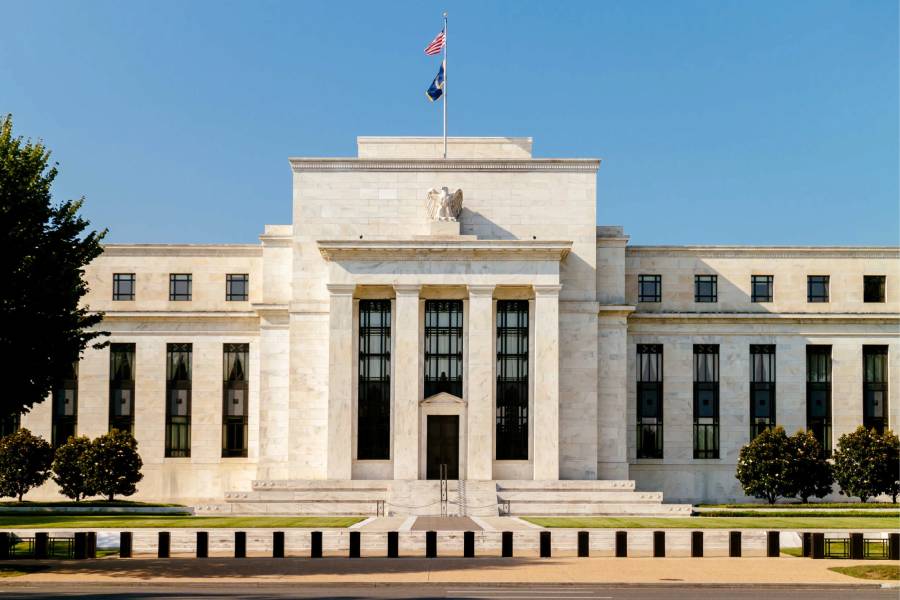
The Federal Reserve is the United States’ central bank.
It raised a key interest rate by one-quarter of a percentage point.
This was the first increase since 2023.
The Fed wants higher rates to help slow down inflation, which means rising prices.
The Fed says it wants inflation to return to 2%.
Higher interest rates can make borrowing money more expensive.
That could affect mortgages, car loans, and credit cards.
The Fed expects it may raise rates again later this year.
The decision comes while many Americans are already paying more for food, gas, and housing.

The Federal Reserve raised its benchmark interest rate by 25 basis points on Wednesday.
The increase was the first rate hike by the central bank since 2023.
The Fed’s key rate now stands at about 3.9%, with projections indicating another increase to 4.1% later this year.
The central bank said the move was intended to help return inflation to its 2% goal.
Higher rates could increase borrowing costs for mortgages, auto loans, and credit cards as Americans face elevated grocery, gas, and housing costs.
- Who
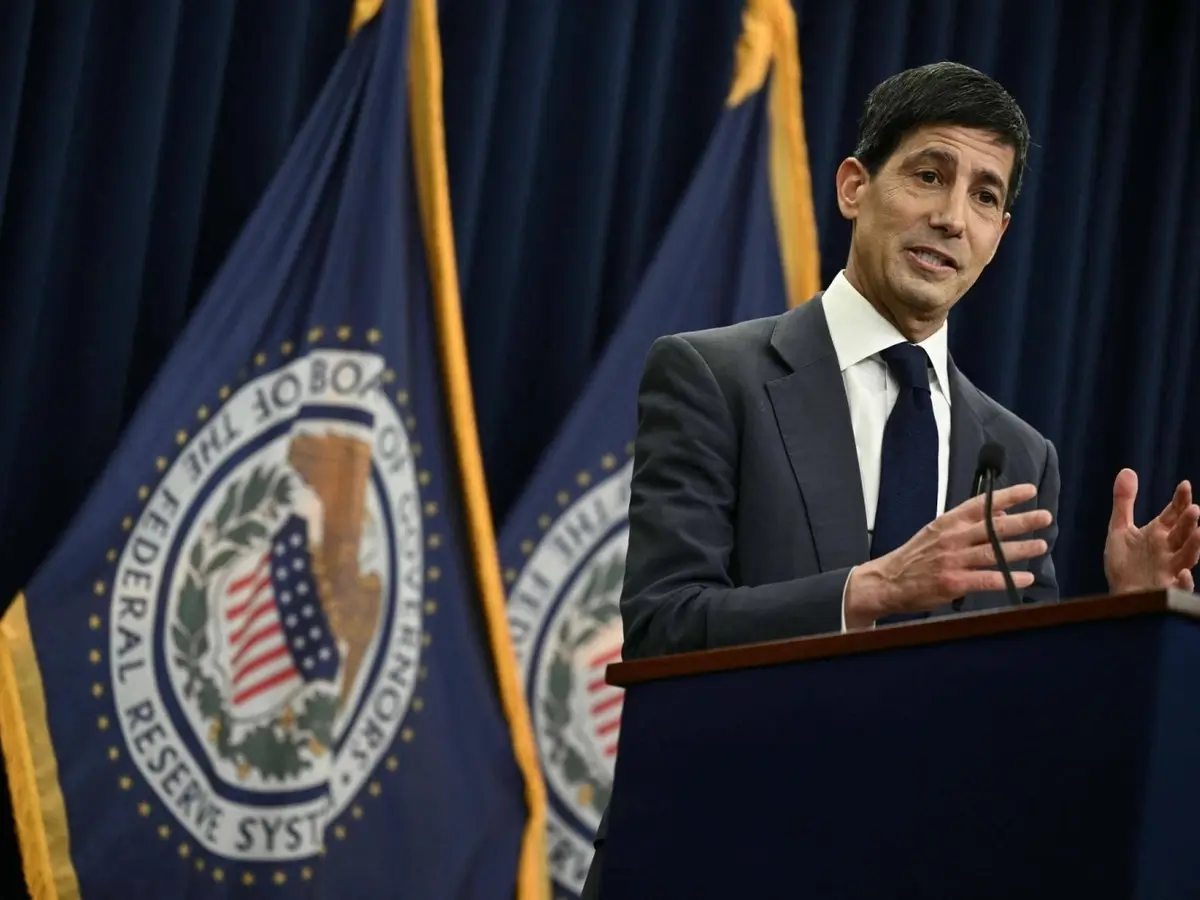
- The U.S. Federal Reserve, led by Chair Kevin Warsh, made the decision.
- What
- The Fed raised its benchmark interest rate by 25 basis points to about 3.9% and signaled another hike later this year.
- Where
- The United States.
- When
- Wednesday; the increase was the first since 2023.
- Why
- The Fed said the increase would help bring persistently high inflation back toward its 2% goal.
Support for Higher Rates
Arguments for Lower Rates
Inflation versus borrowing costs
Support for Higher Rates
The Federal Reserve says higher rates will support a faster return of inflation to its 2% goal.
Arguments for Lower Rates
Higher rates can raise borrowing costs for households already facing elevated grocery, gas, and housing prices.
Future monetary policy
Support for Higher Rates
The Fed’s projections point to another increase later this year, taking the rate to about 4.1%.
Arguments for Lower Rates
President Donald Trump has called for lower borrowing costs, and Kevin Warsh had previously suggested the Fed could reduce rates.
Key facts
- Rate increase
- 25 basis points
- New benchmark rate
- About 3.9%
- Expected later-year rate
- About 4.1%
- Previous rate hike
- 2023
- Inflation target
- 2%
- Potential effects
- Higher borrowing costs for mortgages, auto loans, and credit cards
- Economic backdrop
- High costs for groceries, gas, and housing
Sources
Related news
Federal Reserve Raises Rates as Inflation Mounts, Defying Trump
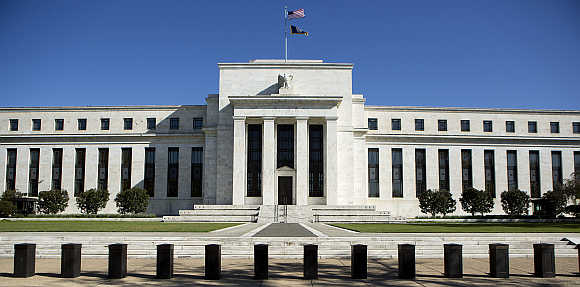
Federal Reserve Raises Rates Quarter Point Amid Persistent Inflation
Federal Reserve Raises Rates, Signals Another Hike Ahead

Why Tonight’s Fed Decision Could Reshape U.S. Monetary Policy
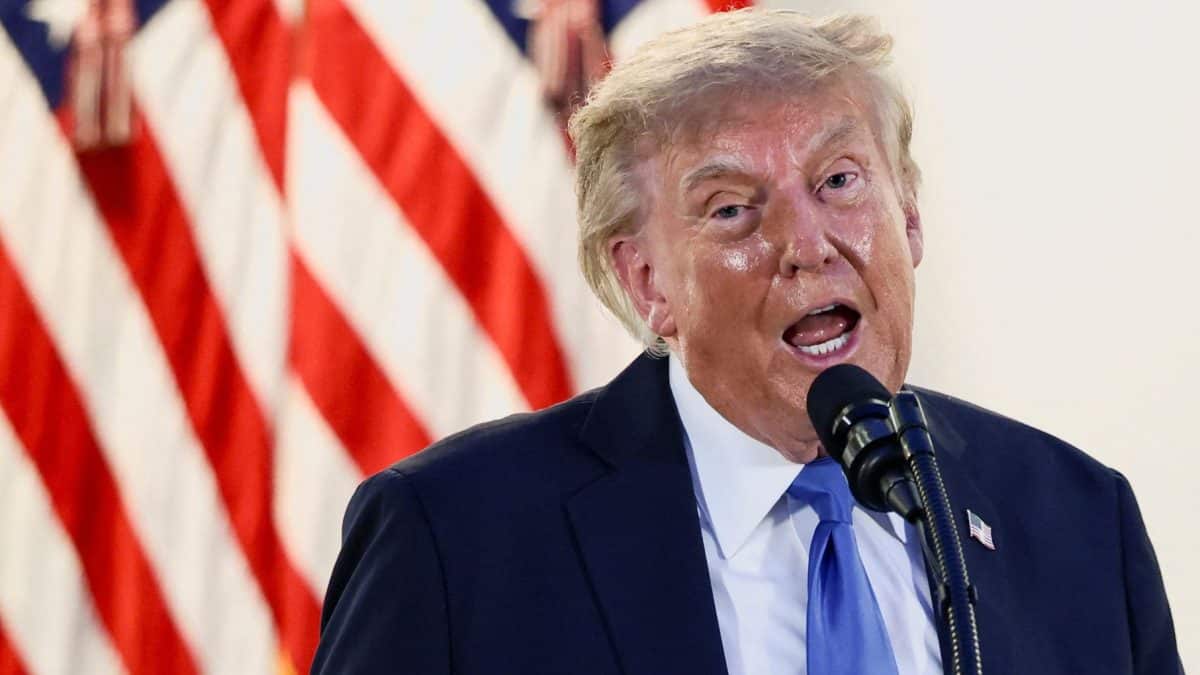
Goldman Sachs expects September Fed hike amid Trump rate pressure

Fed Raises Rates, Signals Another Hike Amid Higher Inflation