

2 hrs ago
Federal Reserve Raises Rates as Inflation Mounts, Defying Trump
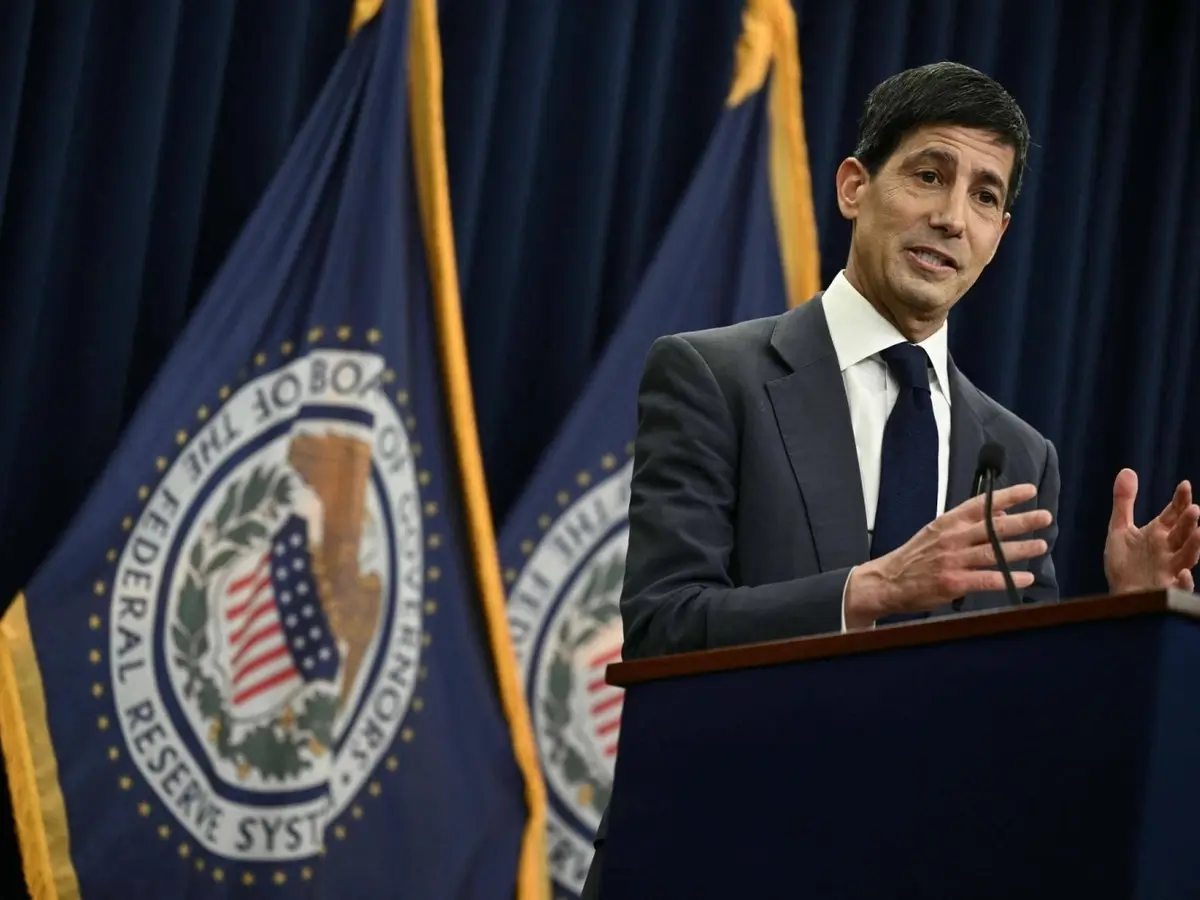
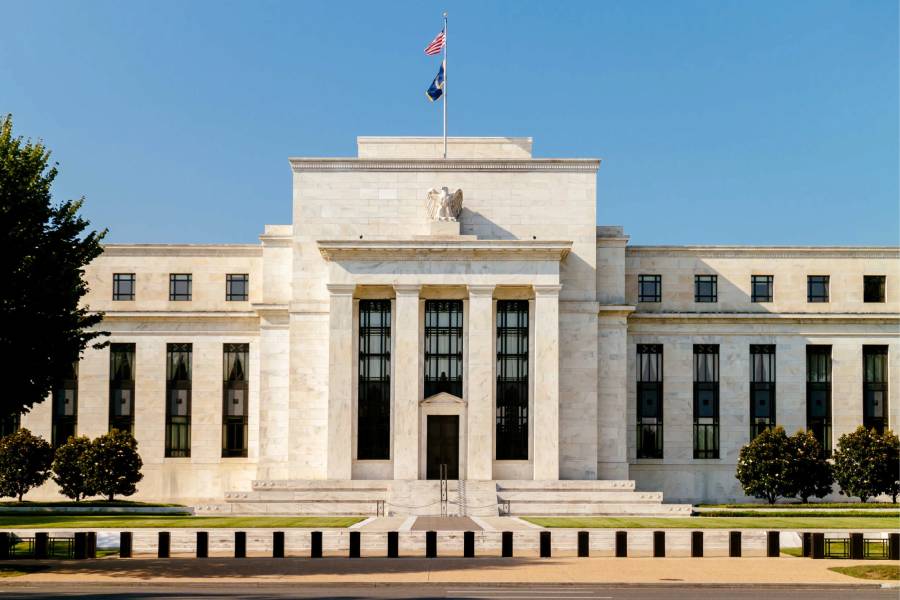
The Federal Reserve is the US institution that helps guide interest rates.
It raised rates by 0.25 percentage points.
The goal is to slow down rising prices, also called inflation.
Higher rates can make borrowing money more expensive.
That may reduce spending and eventually ease price increases.
Inflation was reported at 3.4% in August.
Oil prices rose sharply this year, helping push fuel prices higher.
President Donald Trump wanted lower rates, but the Fed decided that fighting inflation was more important.
Most Fed policymakers expect another increase later this year.

The Federal Reserve raised its benchmark interest rate by 0.25 percentage points to a range of 3.75% to 4.00%.
The increase was described as the Fed’s first in three years, or since 2023, according to different wording in the article.
Policymakers unanimously backed the move, and all but two forecast another increase before the end of the year.
Inflation reached 3.4% in August, while US wage growth was reported at 3.1%.
The decision came despite President Donald Trump’s call for the United States to maintain lower interest rates.
- Who
- The Federal Reserve, its policymakers, President Donald Trump, and Kevin Warsh.
- What
- The Federal Reserve raised its benchmark short-term interest rate by 0.25 percentage points to 3.75%–4.00%.
- Where
- The United States.
- When
- Wednesday; the article does not provide a specific date. The increase was described as the first in three years and elsewhere as the first since 2023.
- Why
- The Fed said the move was intended to support a faster return of inflation to its 2% goal, amid elevated inflation and higher energy prices.
Case for Lower Rates
Case for Higher Rates
Interest-rate direction
Case for Lower Rates
President Donald Trump called for the United States to have lower interest rates and said the country should have the lowest rates in the world.
Case for Higher Rates
The Federal Reserve raised rates to counter elevated inflation and indicated that another increase could come before the end of the year.
Main economic priority
Case for Lower Rates
Trump’s position, as described in the article, emphasizes reducing borrowing costs through lower interest rates.
Case for Higher Rates
The Fed emphasized price stability and a timelier return to its 2% inflation goal.
Limits of monetary policy
Case for Lower Rates
The article says the Fed has limited influence over inflationary forces such as tariffs, wars, and the artificial-intelligence buildout.
Case for Higher Rates
The Fed nevertheless used higher borrowing costs as a tool to reduce demand and help lower prices.
Key facts
- Rate increase
- 0.25 percentage points
- New benchmark rate
- 3.75% to 4.00%
- Inflation
- 3.4% as of August
- Wage growth
- 3.1% in the United States
- Policy vote
- Unanimous approval by Federal Reserve policymakers
- Further increase
- All but two Federal Open Market Committee members forecast another hike later in the year
- Fed inflation goal
- 2%
Quotes
Federal Reserve policymakers
Policymakers issuing the Federal Reserve’s statement on the rate decision
“Uncertainty remains elevated owing, in part, to geopolitical developments. Today’s policy action will support a timelier return to the Committee’s 2 percent goal.”
 wionews.com
“Inflation remains elevated. Today’s policy action will support a timelier return to the Committee’s 2% goal. The Committee will deliver price stability.”
wionews.com
Sources
Related news
Federal Reserve Raises Rates, Signals Another Hike This Year
Federal Reserve Raises Rates Quarter Point Amid Persistent Inflation

Trump Vows Fed Independence as Warsh Weighs Rate Hike
Warsh Faces Rate Decision Pressure as Inflation and Yields Rise

Why Tonight’s Fed Decision Could Reshape U.S. Monetary Policy

Trump Urges Lowest Rates as Inflation Raises Fed Hike Pressure
US Treasury Targets Iran’s Networks as Vance Defends Regional Role

Gold falls after Fed rate hike boosts dollar

Oil Exports Through Hormuz Rise Despite Middle East Turmoil

US House Finishes Debate on Russia Sanctions and Tariffs
