

5 hrs ago
China’s Oil Stockpile Helps Contain Global Price Shock
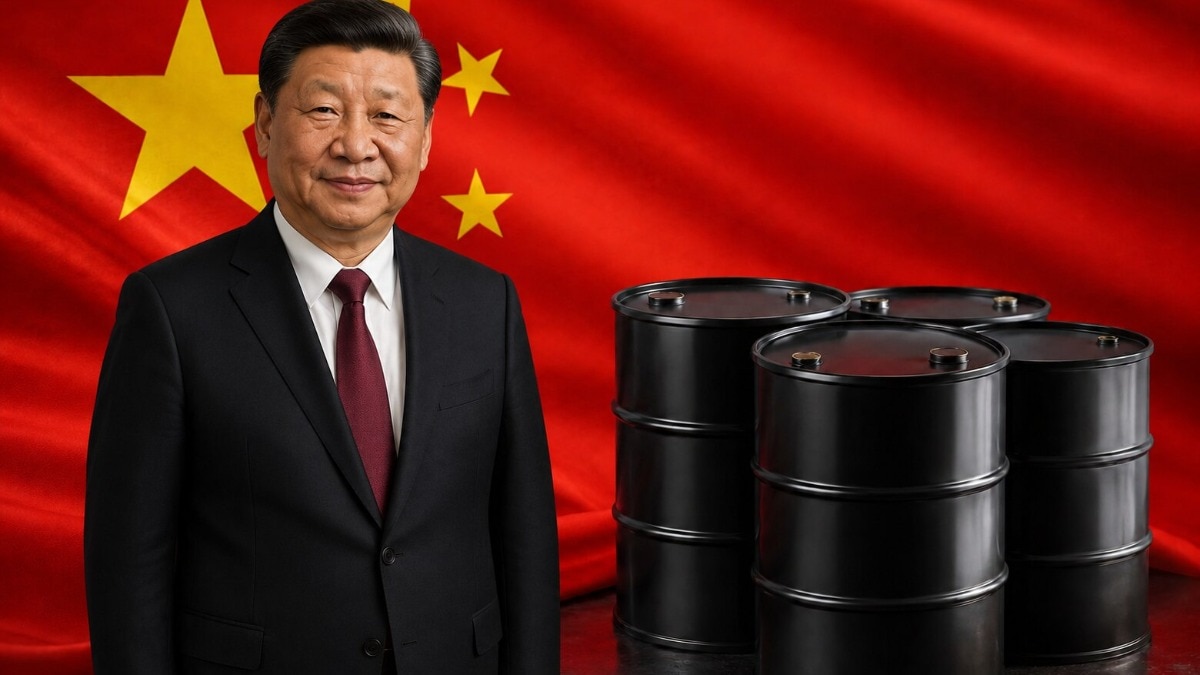
China keeps a very large supply of oil in storage.
During the conflict, oil shipments through an important sea route were disrupted.
China used some of its stored oil instead of buying as much new oil.
Its imports fell by 32 percent.
Because China bought less, other countries faced less competition for available oil.
This helped prevent prices from rising even more.
However, oil prices were still much higher than last year.
Prices could rise further if fighting damages energy facilities or shipping routes.

China cut oil imports by 32% during the conflict, reducing competition for crude.
The country had an estimated 1.4 billion barrels in strategic reserves by the end of last year.
China used stored oil as fighting disrupted supplies and effectively closed the Strait of Hormuz.
Analysts said China’s stockpiling and lower oil demand helped limit the global price shock.
Oil markets remain vulnerable, with prices potentially reaching $150 if infrastructure damage worsens.
- Who
- China, with impacts on global oil buyers and sellers.
- What
- China reduced oil imports by 32% and relied on strategic reserves during a conflict-related supply disruption.
- Where
- The disruption centered on the Strait of Hormuz and Middle Eastern energy routes, affecting global oil markets.
- When
- During the conflict; China’s reserves were estimated at about 1.4 billion barrels by the end of last year, and prices briefly reached $126 in late April.
- Why
- China used stored oil to reduce dependence on fresh imports, easing competition for crude while shipping routes were disrupted.
Key facts
- Chinese import reduction
- Oil imports fell by 32% during the conflict.
- Estimated strategic reserve
- About 1.4 billion barrels by the end of last year.
- China’s role in Iranian oil trade
- China is Iran’s top oil buyer.
- Recent Brent price level
- Brent crude was hovering around $100 a barrel, compared with an average of about $69 last year.
- Recent price peak
- Oil prices briefly reached $126 a barrel in late April.
- Potential worst-case price
- Bank of America analysts said prices could reach $150 a barrel if major energy infrastructure is damaged.
Quotes
Michael Lynch
President of Strategic Energy and Economic Research
“It's remarkable how China managed the market”
 businesstoday.in
Sources
Related news

China’s Oil Stockpiles Become a Shield Against Western Pressure
China’s Oil Stockpile Helps Cushion Prices During Iran War

High Oil Prices Keep China’s Crude Buying Below Past Peaks
Reported US Navy Tanker Sinking Threatens China’s Iranian Oil Supply

Iran Oil Sanctions Put China’s Refiners and Banks Under Pressure
China Emissions Fell in Q2 Due to Oil Use Drop
LPG, CNG and PNG Rates Amid West Asia Energy Tensions

Iran’s NPT Withdrawal Decision Hinges on Future US Actions

Houthi Missile Attack Opens New Front in Iran War
Saudi Air Alerts as Middle East Fighting Escalates
