1 week ago
Delhi’s Master Plan 2047 Plans 40 Lakh Homes, Transit

Delhi has created a long-term plan for how the city should grow until 2047.
The plan says Delhi may need about 40 lakh or more new homes as its population increases.
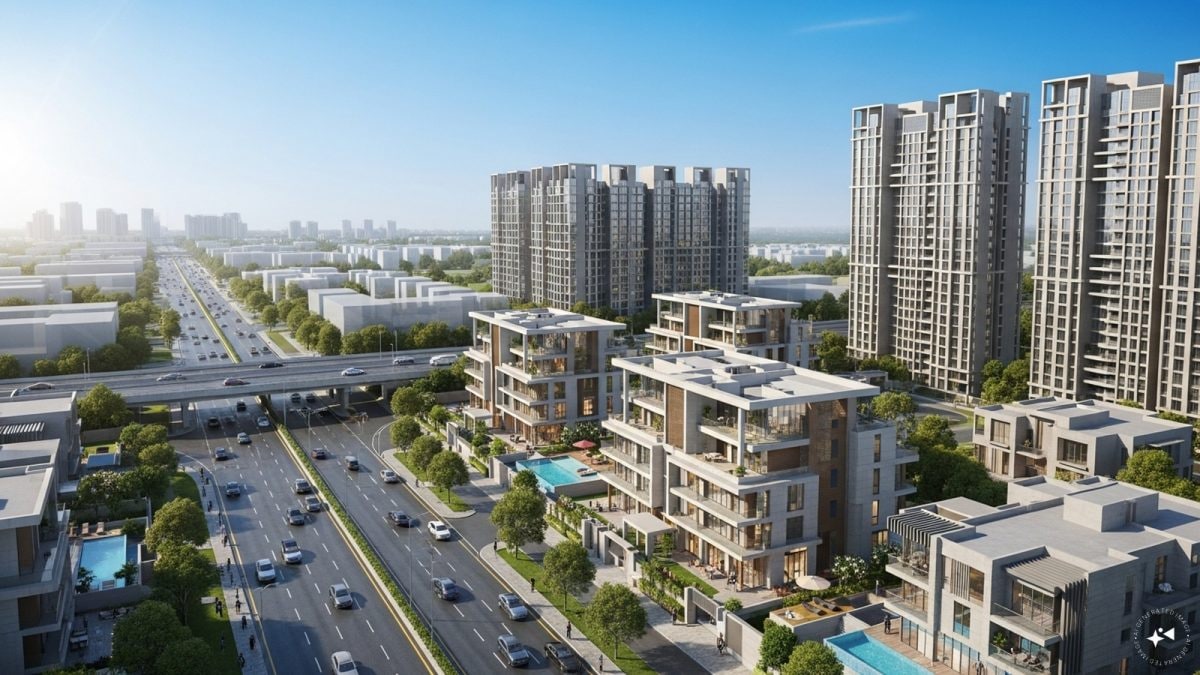
Many homes are planned near Metro lines and other public transport.
Older housing areas may be rebuilt with taller buildings to use limited land more efficiently.
The plan also includes permanent housing near existing communities for eligible people living in jhuggi clusters.
Some unauthorised colonies may be regularised and receive better civic services.
Narela and Dwarka are expected to become important centres for education, jobs and investment.
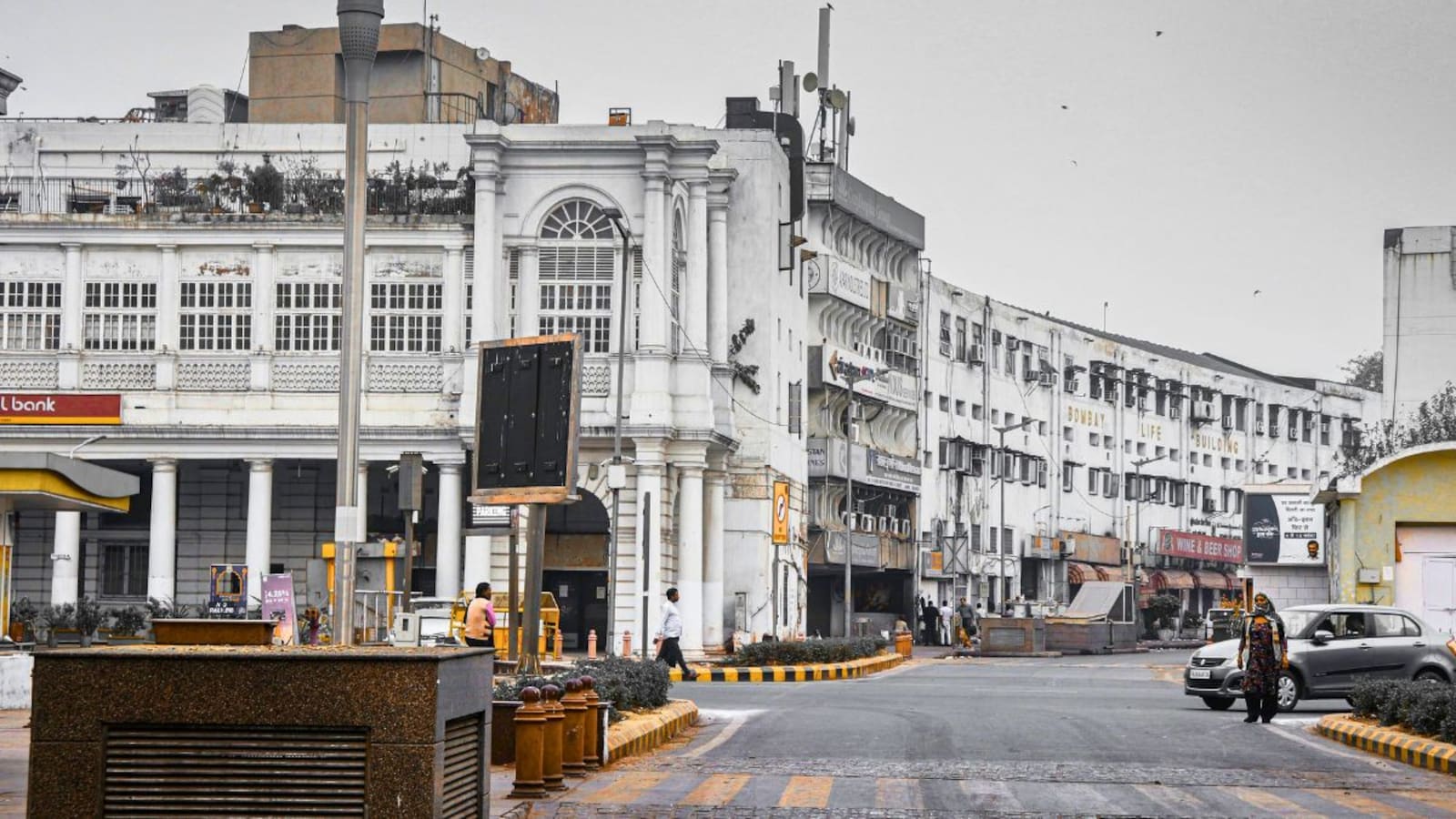
The plan also aims to improve transport, restore parts of the Yamuna floodplain and protect heritage buildings.

Delhi’s notified Master Plan 2047 projects more than 40 lakh additional homes by 2047, although another report describes the need as nearly 40 lakh.
Nearly 18 lakh affordable homes are planned in transit-oriented zones, alongside rental-housing incentives and higher-density development near public transport.
Redevelopment, vertical construction, in-situ housing for eligible jhuggi residents and regularisation of 1,511 unauthorised colonies are central housing measures.
The plan proposes unified parking and metropolitan transport frameworks, while DDA Vice Chairman N Saravana Kumar said Metro trains and buses would run 24x7.
Narela and Dwarka are planned as education and investment hubs, while Yamuna floodplains, green spaces and about 1,500 heritage assets receive conservation measures.
- Who
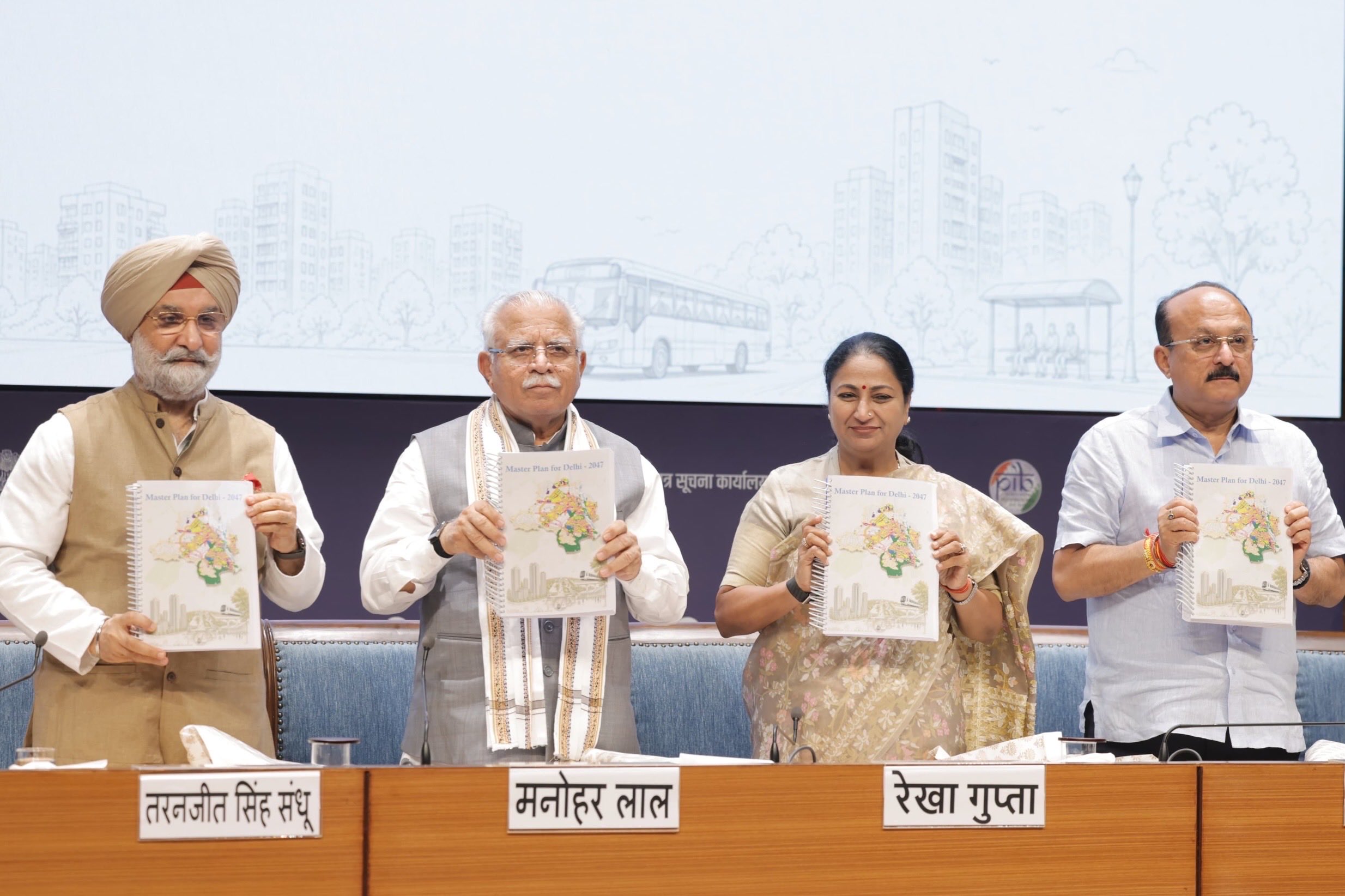
- The Delhi Development Authority prepared the plan; Union Housing and Urban Affairs Minister Manohar Lal Khattar unveiled it in the presence of Delhi Chief Minister Rekha Gupta and Lieutenant Governor Taranjit Singh Sandhu. DDA Vice Chairman N Saravana Kumar described several implementation measures.
- What
- Master Plan for Delhi 2047 has been notified and sets out policies for housing, redevelopment, transport, economic growth, environmental restoration and heritage conservation.
- Where
- Delhi, including Narela, Dwarka, transit corridors, land-pooling areas and the Yamuna floodplain.
- When
- The plan covers development through 2047 and was unveiled on Thursday, according to one report.
- Why
- To prepare for projected population growth, meet housing demand, improve connectivity and civic infrastructure, support economic development, and protect ecological and heritage assets.
Key facts
- Housing projection
- More than 40 lakh additional homes are projected by 2047 in one report; another describes the requirement as nearly 40 lakh residential units.
- Population projection
- Delhi’s population is projected to reach more than 3 crore or 3.2 crore by 2047, with the reports differing on the estimate.
- Affordable housing
- Nearly 18 lakh affordable homes are envisaged in transit-oriented development zones.
- Land pooling
- Nearly 200 square kilometres could support about 12 lakh homes and approximately 600 kilometres of roads.
- Jhuggi housing
- The “Jahan Jhuggi, Wahan Makaan” approach is expected to benefit more than 17 lakh eligible JJ residents through housing at or near their existing locations.
- Yamuna restoration
- Nearly 1,700 hectares of the Yamuna floodplain will be protected, conserved and ecologically restored through 13 projects.
- Heritage conservation
- About 1,500 heritage assets will be covered by conservation plans.
Quotes
N Saravana Kumar
Vice Chairman of Delhi Development Authority
“"Metro and buses will run 24x7. We will expand all modes of transport, develop multilevel parking and reduce the space for private parking."”
 NDTV
NDTV
“"Delhi will become more liveable. We have planned around 40 lakh homes, with a major focus on affordable housing."”
NDTV
Sources
Related news

Delhi Master Plan 2047 Targets 40 Lakh New Homes

Delhi Master Plan 2047 Targets 40 Lakh New Homes
Delhi Master Plan 2047 Approves 40 Lakh Homes, Smoother Commute

Delhi Master Plan 2047 Targets Housing, Transit and Development

Delhi 2047 Master Plan: Housing, Land Pooling, Massive Makeover
Delhi Master Plan 2047 Targets Homes, Metro and Redevelopment
GST Dept Seizes 4.20 Lakh Imported Cigarettes
NESt Fest to spotlight Northeast culture and youth talent

Delhi Approves Free Rooftop Solar Panels for 2.3 Lakh Homes

Delhi Revises Solar Policy With Free Rooftop Systems

Centre Expands Rs 35 Onion Sales to 19 Cities