2 weeks ago
Delhi 2047 Master Plan: Housing, Land Pooling, Massive Makeover

Delhi is a very big city where lots of people live.
The city wants to get ready for the future, so it made a special plan for the year 2047.
A group called the DDA said yes to this big plan.
By 2047, the plan thinks Delhi will have 3.2 crore people living in it.
That is a lot of people!
So the city needs to build nearly 40 lakh new homes for them.
The plan will build different kinds of homes, like small homes and cheaper rental homes, and will also fix old neighborhoods and help people living in slums.
The plan says Delhi will need three times more electricity and two times more places to handle garbage.
This is a very big plan to make Delhi better for the future.

The Delhi Development Authority (DDA) has approved the draft Master Plan for Delhi-2047.
The plan projects Delhi's population will reach 3.2 crore by 2047.
It estimates a need for nearly 40 lakh additional homes in the capital.
Proposals include small-format housing, affordable rental homes, land pooling, Transit-Oriented Development, slum rehabilitation, and redevelopment of unauthorised colonies.
Delhi could need three times its current power generation capacity and twice its solid-waste management capacity.
- Who
- The Delhi Development Authority (DDA)
- What
- Approved the draft Master Plan for Delhi-2047, projecting 3.2 crore population and proposing nearly 40 lakh new homes
- Where
- Delhi, India's capital
- When
- The plan targets the year 2047; the article does not specify the approval date
- Why
- To prepare for projected population growth and address housing, power, and solid-waste management needs
Key facts
- Governing Agency
- Delhi Development Authority (DDA)
- Plan Name
- Master Plan for Delhi-2047
- Projected Population
- 3.2 crore by 2047
- Additional Homes Needed
- Nearly 40 lakh
- Key Proposals
- Small-format housing, affordable rental homes, land pooling, Transit-Oriented Development, slum rehabilitation, unauthorised colony redevelopment
- Power Capacity Need
- Three times current generation capacity
- Solid-Waste Capacity Need
- Twice current capacity
Sources
Related news

Delhi’s Master Plan 2047 Plans 40 Lakh Homes, Transit

Delhi Master Plan 2047 Targets 40 Lakh New Homes
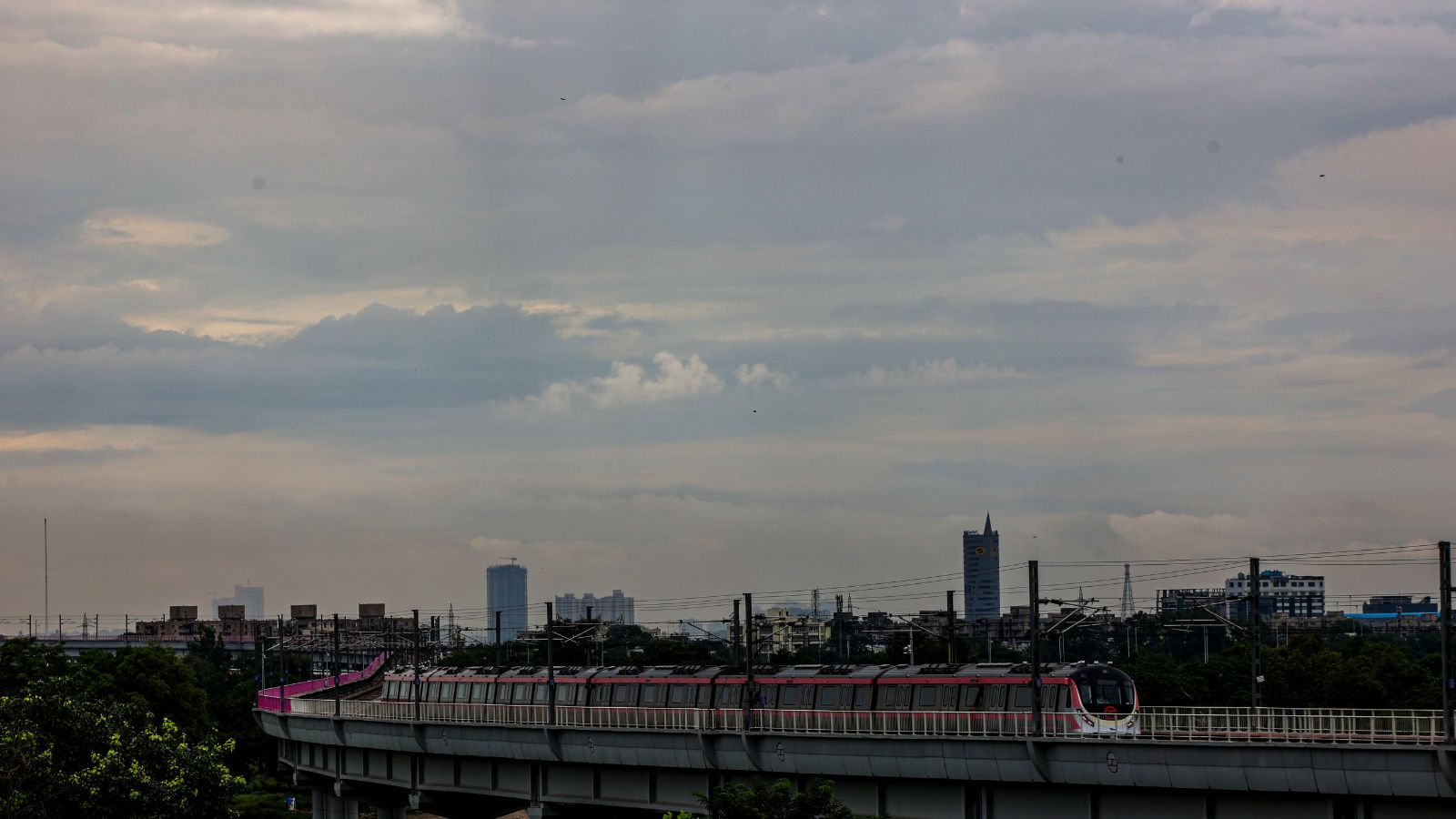
Delhi's Master Plan 2047 Approved After Five-Year Delay

Delhi Master Plan 2047 Targets 40 Lakh New Homes
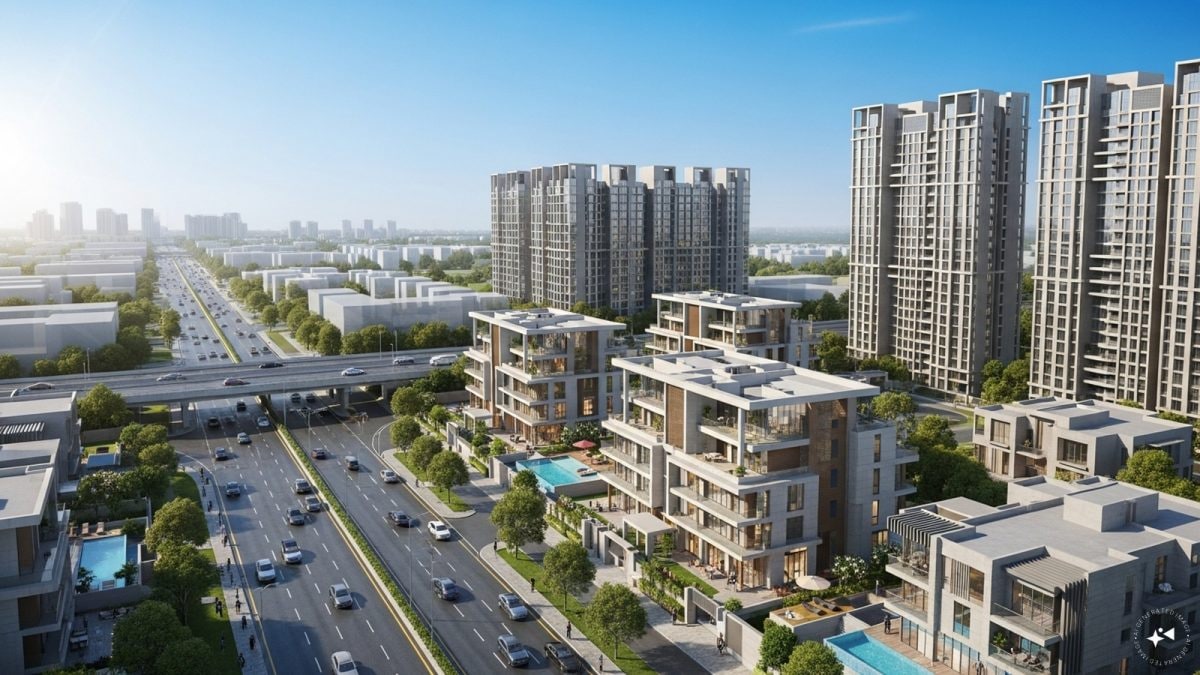
Delhi Master Plan 2047 Approves 40 Lakh Homes, Smoother Commute
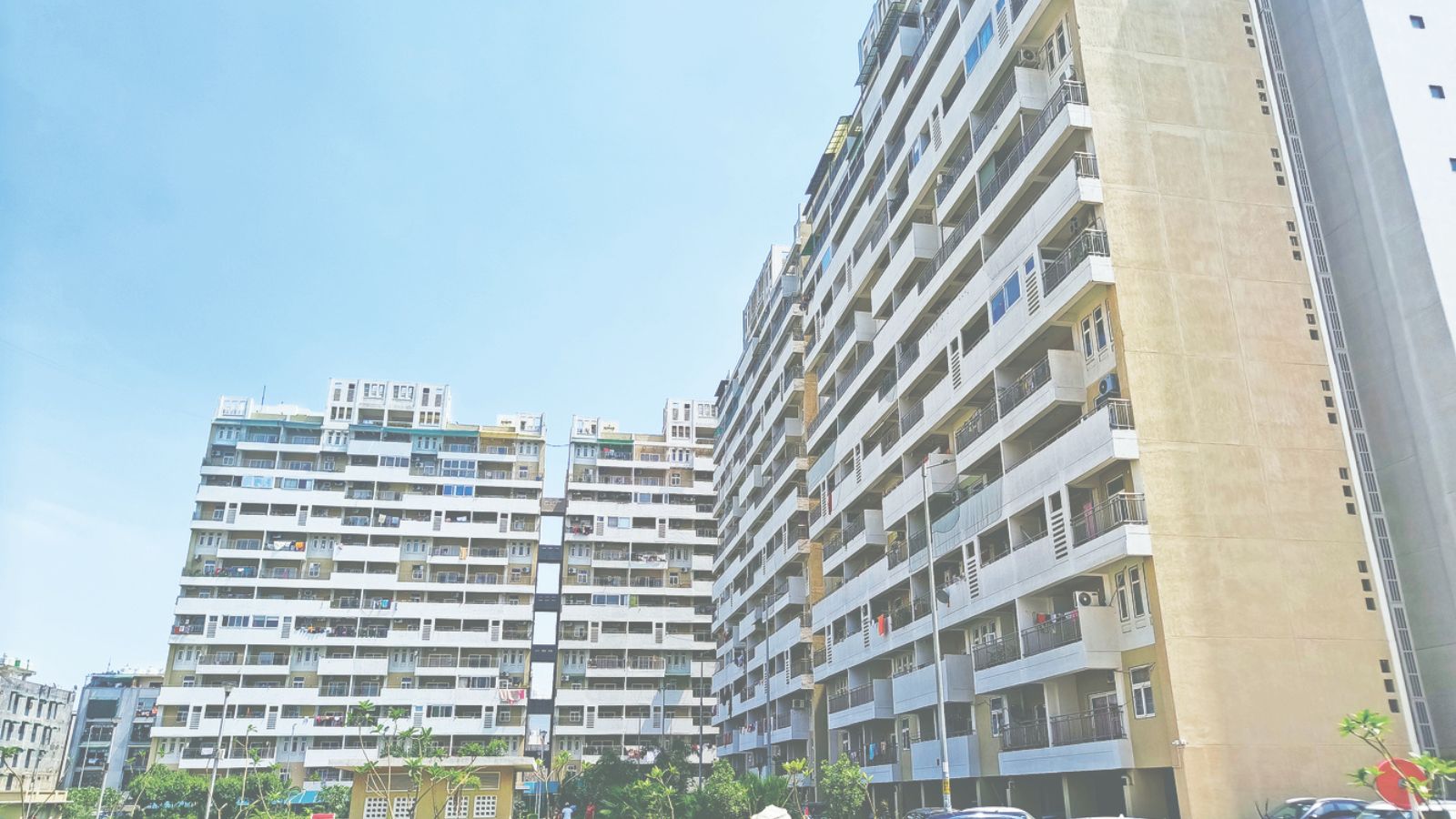
Delhi 2047 Master Plan Makes Land Pooling Participation Mandatory
Konda Surekha Meets Congress Leaders, Awaits High Command Decision

Delhi Police Bust Interstate Arms Racket, Arrest Two

Delhi High Court Bars Old Government Dues After Insolvency Approval
IndiGo Plans Itanagar Flights to Six Major Indian Cities
Ram Temple Trust Adds Three Members, Plans New CEO Role