1 week ago
India Flags Nearly 300,000 URLs Amid Takedown Debate

Indian government offices asked online platforms to remove almost 300,000 web links over five months.
The requests were made between March and July 2026.
State governments made most of the requests.
The Indian Cyber Crime Coordination Centre also flagged about 51,000 links.
Some links were connected to scams, cybercrime, and abuse involving children.
New rules can require platforms to respond to some requests within three hours instead of 36 hours.
The government says these tools help stop illegal material from staying online.
Critics and observers are concerned about fairness, platform accountability, and the use of automated systems.

Authorities sought removal of nearly 2.98 lakh URLs between March and July 2026.
State governments submitted about 2.44 lakh requests, or roughly 82% of the total.
The Indian Cyber Crime Coordination Centre separately identified around 51,000 URLs linked to cybercrime and unlawful activity.
Flagged material included financial scams, child sexual abuse material, and offences targeting women and children.
February rule changes reduced some platform response deadlines from 36 hours to three hours, prompting scrutiny over due process and automation.
- Who
- Indian government departments, state governments, the Indian Cyber Crime Coordination Centre, and online platforms.
- What
- Authorities requested the removal of nearly 2.98 lakh URLs involving alleged unlawful online content.
- Where
- From online platforms operating in India.
- When
- Between March and July 2026; the relevant intermediary-rule amendments were made in February.
- Why
- To address cybercrime, financial fraud, child sexual abuse material, threats involving critical infrastructure, and other unlawful content.
Government justification
Due-process concerns
Purpose of takedowns
Government justification
The government says removals are necessary to address illegal online material and unlawful activity.
Due-process concerns
The scale of nearly three lakh requests raises questions about how content is identified and reviewed.
Response deadlines
Government justification
Shorter deadlines are intended to make platforms respond quickly to harmful or unlawful content.
Due-process concerns
A three-hour window has prompted scrutiny over platform accountability, due process, and the practical ability to assess requests.
Automation and Meta
Government justification
The PIB Fact Check unit said claims of a new government API arrangement with Meta linked to the February amendments were misleading; the integration was introduced in 2025 at Meta's request.
Due-process concerns
Reports about Meta using automated systems to process some government requests have renewed concerns about how removals are handled.
Key facts
- Total URLs flagged
- Nearly 2.98 lakh between March and July 2026.
- State-government requests
- About 2.44 lakh URLs, roughly 82% of the total.
- Indian Cyber Crime Coordination Centre
- Separately identified around 51,000 URLs linked to cybercrime and other unlawful activity.
- Reported content
- Included cross-border financial scams, child sexual abuse material, and offences targeting women and children.
- New response deadline
- Certain takedown directions now require action within three hours, down from 36 hours.
- Authorisation process
- Only officers formally authorised by relevant Union ministries or state governments can initiate requests through the Sahyog system.
- Social-media scale
- India has an estimated 600 million social-media users, according to government figures.
Sources
Related news

India Requests 2.44 Lakh Social Media Takedowns During March-July

India Cuts Deepfake Takedown Deadline From 36 to 3 Hours

Government sent social media blocking orders every 68 seconds
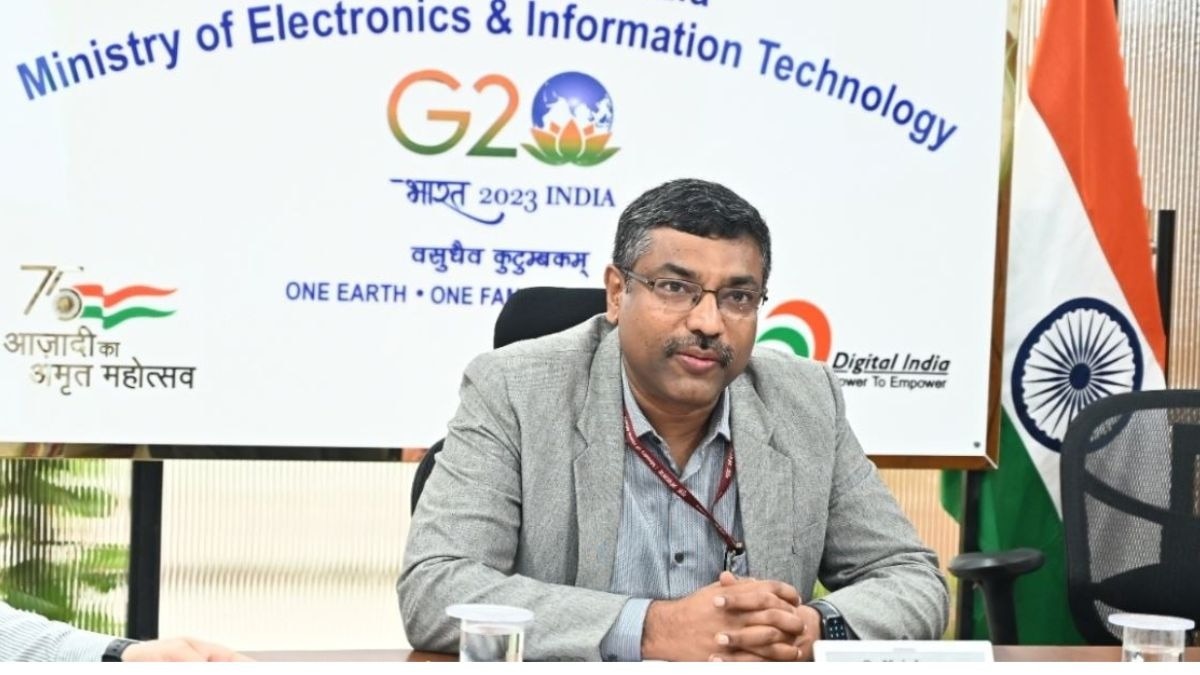
India's Social Media Blocking Framework Explained by MeitY Secretary

India Cuts Social Media Takedown Deadline to Two Hours
India to Keep Internet Free From Unlawful, Obscene Content

Social Media Companies Intensify Efforts to Identify Child Users

Yorkville America Expands Beyond Trump-Linked ETFs With AI Strategy
Meta’s $18-Billion Child Safety Settlement Faces Praise and Criticism

School Awards Honour Courage, Commitment and Educational Excellence

AI Expansion Puts Jamnagar and Thane Under Water Stress