1 week ago
India's Social Media Blocking Framework Explained by MeitY Secretary
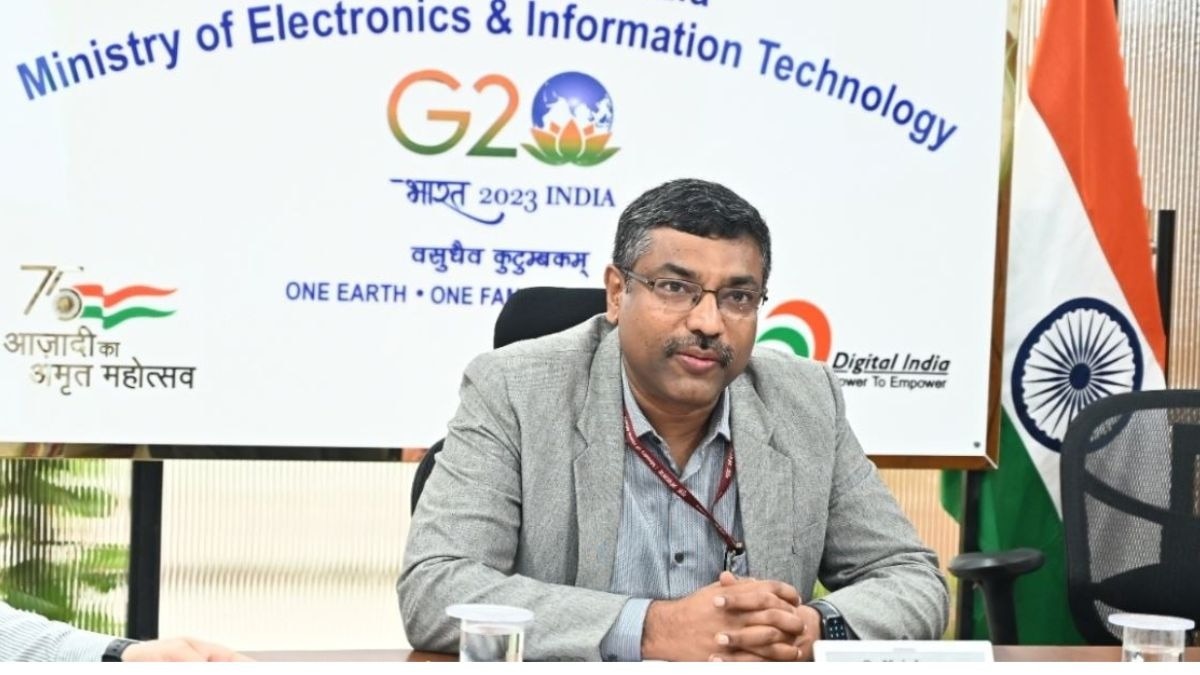
India has rules for removing harmful or illegal content from the internet.
S Krishnan said social media companies remove most content themselves under their own rules.
He said more than 99% of removals happen this way.
The government can also order blocking in specific situations.
These situations include threats to security, defence, public order, or relations with other countries.
A government agency can warn a platform that a post may break Indian law.
The person who posted it and the platform could face legal consequences.
Krishnan also said platforms need to understand Indian languages and culture when deciding whether content is harmful.

S Krishnan said government-ordered removals are only a small part of overall content takedowns.
He said more than 99% of removals happen under platforms’ own community guidelines.
Section 69A allows blocking on grounds including national security, defence, public order, and foreign relations.
Government agencies can notify platforms about potentially unlawful content and possible legal consequences.
Krishnan said platforms must account for India’s cultural and linguistic context when moderating harmful content.
- Who
- S Krishnan, Secretary of India’s Ministry of Electronics and Information Technology, discussed the framework.
- What
- He explained how government blocking orders and platform-led content removals operate in India.
- Where
- India’s online and social-media environment.
- When
- Not specified in the report.
- Why
- To clarify when the government can order content blocking and why platforms must apply local cultural and linguistic context.
Key facts
- Government blocking law
- Section 69A of the Information Technology Act
- Government blocking grounds
- Security of the state, defence of India, public order, and friendly relations with foreign countries
- Platform-led removals
- Krishnan said 99% or more of takedowns occur under platforms’ community guidelines
- Government notices
- Authorised agencies or officials can notify platforms about content believed to violate Indian law
- Potential consequences
- The poster may face criminal charges, while platforms may face legal consequences if they fail to act
- Intermediary protection
- Section 79 provides platforms safe-harbour protection from liability for third-party content
- Moderation context
- Platforms should consider India’s cultural and linguistic context, including when content depicts sexual abuse or violence
Quotes
S Krishnan
MeitY Secretary explaining the government’s use of Section 69A.
“It is very, very sparingly used, with a great deal of restraint. It's not my view that this is obscene. I have to establish that it falls within one of these grounds.”
 businesstoday.in
“99%, or more than 99% of the takedowns, actually happen on the basis of the community guidelines of the various social media companies themselves.”
businesstoday.in
Sources
Related news
India Flags Nearly 300,000 URLs Amid Takedown Debate
India Warns Meta: No Safe Harbour for CSAM Violations
India Requests 2.44 Lakh Social Media Takedowns During March-July
Government sent social media blocking orders every 68 seconds
India’s Digital Blocking Orders Raise Fresh Free Expression Concerns

Could India revoke Meta's safe harbour protection amid Modi row
Pune Sugar Trader Loses Rs 3 Crore in Whale-Phishing Attack
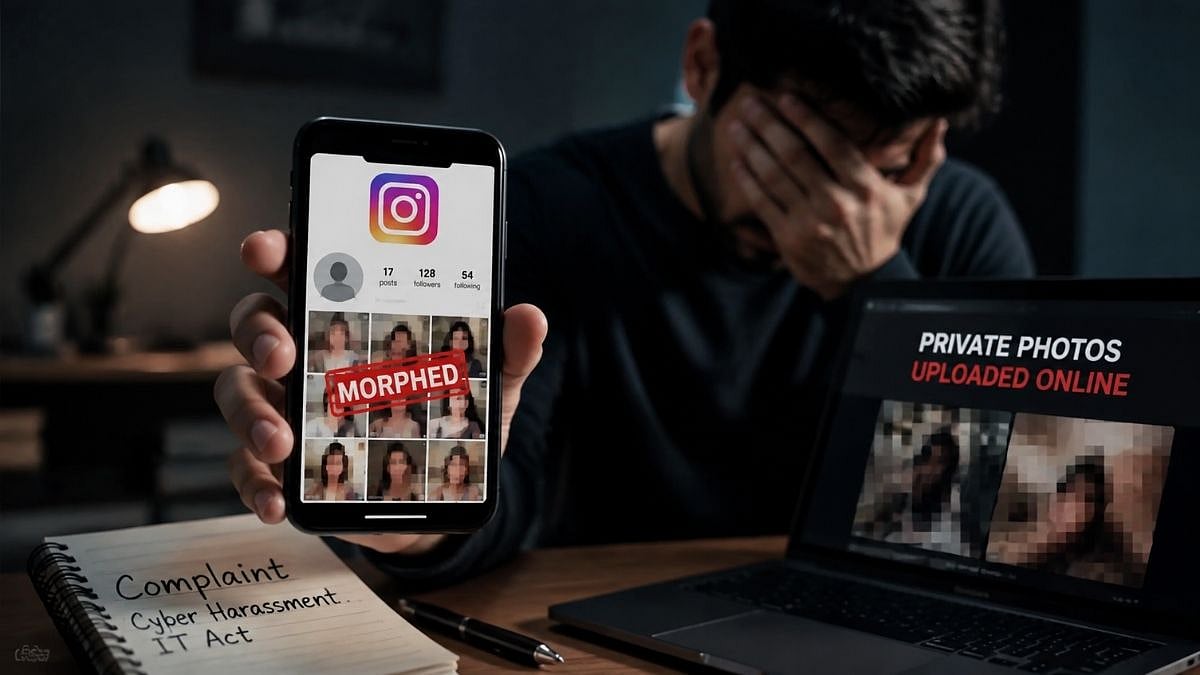
Mumbai CA Targeted After Lost Phone, Photos Allegedly Morphed

Mumbai Police Book Two Over Provocative Clash Videos

Two Thane Seniors Lose Rs 15.73 Lakh in Voter Fraud

Two Men Arrested In Pune Cyber Fraud Bank Account Case