3 hrs ago
Pakistan Seeks Dialogue as India Rejects Indus Treaty Ruling

Pakistan and India disagree about how to interpret the Indus Waters Treaty.
A tribunal in The Hague issued a ruling on May 15, 2026.
The ruling dealt with how much water could be stored in certain reservoirs, called maximum pondage.
It followed an earlier ruling about broader questions in the treaty.
Pakistan asked India to have constructive talks.
India rejected the ruling.
India says the tribunal itself was created in a way that broke the treaty’s rules.
India also says the tribunal cannot decide whether India was allowed to pause the agreement.

Pakistan called for “constructive” dialogue over the Indus Waters Treaty dispute.
India rejected the Hague tribunal’s ruling concerning maximum pondage.
The tribunal issued its award on May 15, 2026, according to India’s Ministry of External Affairs.
The award concerned maximum pondage and followed an earlier ruling on broader treaty interpretation questions.
India said the arbitration body’s formation breached the treaty and that it lacks jurisdiction over New Delhi’s decision to place the agreement in abeyance.
- Who
- Pakistan and India are the principal parties; India’s Ministry of External Affairs described the tribunal’s award.
- What
- A dispute concerns a Hague tribunal award on maximum pondage and broader interpretation of the Indus Waters Treaty.
- Where
- The ruling was issued by a tribunal in The Hague.
- When
- The tribunal issued the award on May 15, 2026.
- Why
- Pakistan sought constructive dialogue, while India rejected the ruling because it says the arbitration body breached the treaty and lacks jurisdiction over India’s decision to place the agreement in abeyance.
Pakistan’s Position
India’s Position
How to address the dispute
Pakistan’s Position
Pakistan called for constructive dialogue on the Indus Waters Treaty dispute.
India’s Position
India rejected the tribunal’s ruling.
Tribunal’s authority
Pakistan’s Position
Pakistan’s stated call for dialogue contrasts with India’s objection to the tribunal’s authority; the article does not provide further Pakistani comments on jurisdiction.
India’s Position
India said the arbitration body was constituted in breach of the treaty and that the tribunal has no jurisdiction over New Delhi’s sovereign decision to place the agreement in abeyance.
Ruling on maximum pondage
Pakistan’s Position
Pakistan sought dialogue as the dispute included the tribunal’s award concerning maximum pondage.
India’s Position
India rejected the Hague ruling concerning maximum pondage, according to the article.
Key facts
- Disputed agreement
- Indus Waters Treaty
- Tribunal location
- The Hague
- Award date
- May 15, 2026
- Award subject
- Maximum pondage
- Related proceeding
- An earlier award addressed broader questions of treaty interpretation.
- Pakistan’s position
- Pakistan called for constructive dialogue.
- India’s position
- India said the tribunal’s constitution breached the treaty and that it has no jurisdiction over New Delhi’s sovereign decision to place the agreement in abeyance.
Sources
Related news
India Rejects Hague Award, Keeps Indus Waters Treaty Suspended

Pakistan Urges India to Uphold Indus Waters Treaty Ruling

India Rejects Hague Order to Restore Indus Waters Treaty
India Rejects Hague Ruling Upholding Pakistan Water Treaty
Hague Court Says India Must Uphold Indus Waters Treaty
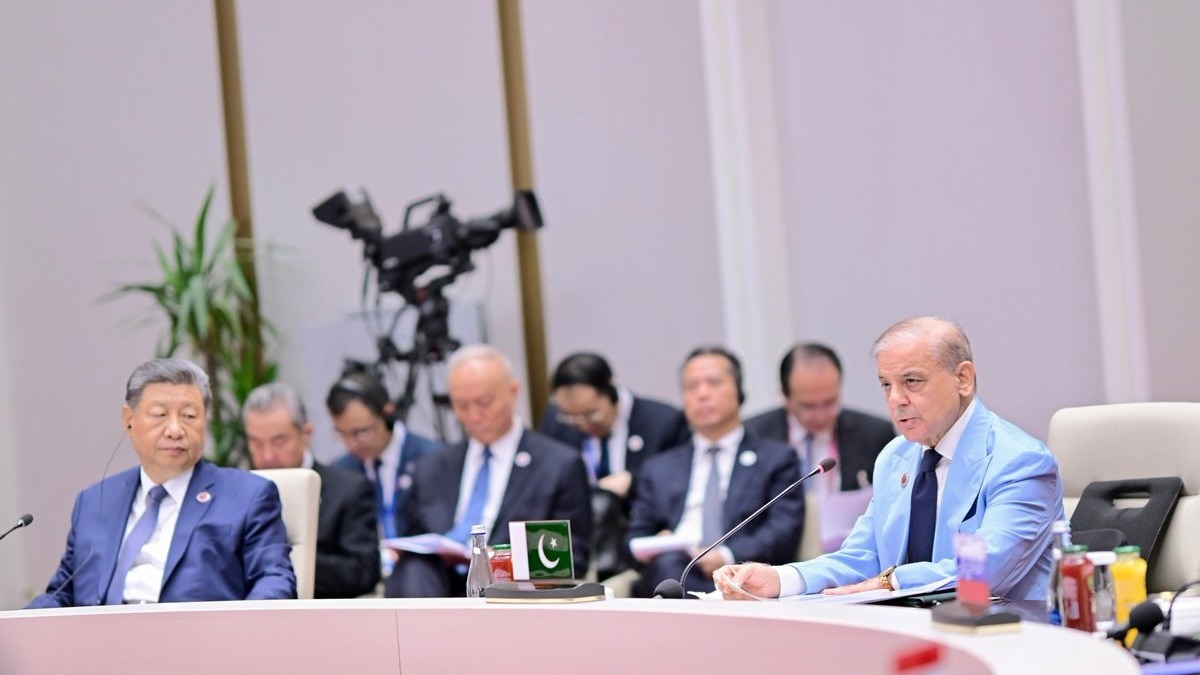
Pakistan Raises Indus Treaty Concerns as India Rejects Hague Ruling

Rotterdam Dockers Edge Glasgow Cosmic in ETPL Thriller