

1 hr ago
Doctors Say GLP-1 Vision Loss Risk Remains Very Rare
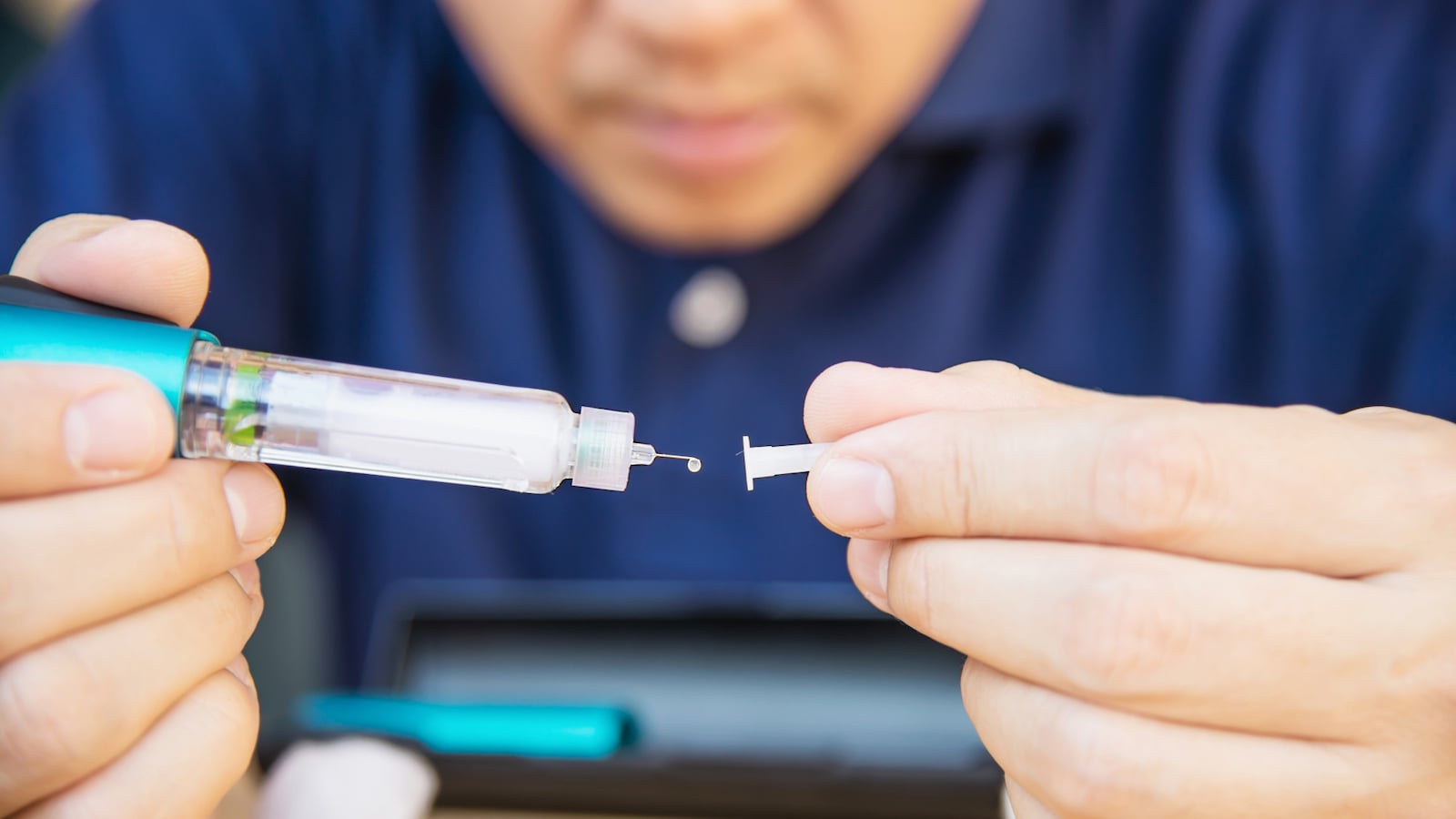
Some people taking medicines such as Ozempic, Wegovy, and Zepbound have been studied for a rare eye problem called NAION.
NAION happens when the optic nerve does not receive enough blood.
It can cause sudden, usually painless loss of vision in one eye.
Some studies found the problem slightly more often in people taking these medicines, but the number of cases was very small.
These studies cannot prove that the medicines caused the vision loss.
The European Medicines Agency lists NAION as a very rare possible side effect of semaglutide medicines.
Doctors say people should not stop their medicine on their own.
Anyone with sudden or quickly worsening eyesight should seek medical help immediately.

Studies have linked semaglutide and tirzepatide with rare NAION, but they do not prove the medicines directly cause it.
A 2025 study found NAION in 0.04% of semaglutide or tirzepatide users versus 0.02% of a comparison group.
The European Medicines Agency classified NAION as a very rare side effect of semaglutide medicines such as Ozempic and Wegovy.
Doctors advise patients not to stop or change GLP-1 treatment without consulting their physicians.
Sudden or rapidly worsening vision, especially in one eye, requires urgent ophthalmological evaluation.
- Who
- People taking GLP-1 medicines, including semaglutide or tirzepatide, along with doctors and the European Medicines Agency.
- What
- Reports and studies have examined whether these medicines are associated with non-arteritic anterior ischemic optic neuropathy, a rare cause of sudden vision loss.
- Where
- The medical advice and expert comments reported are from doctors in India; the European Medicines Agency issued the regulatory assessment.
- When
- The relevant observational study was published in 2025, and the European Medicines Agency reviewed the safety signal in June 2025.
- Why
- Concerns arose after studies and safety reports suggested a possible association between semaglutide and NAION, although causation has not been established.
Evidence Requires Caution
Regulatory and Clinical Precautions
Meaning of the reported risk
Evidence Requires Caution
Doctors emphasize that observational studies have produced mixed findings, the absolute number of cases is very small, and an association does not prove that the medicines cause NAION.
Regulatory and Clinical Precautions
The European Medicines Agency found enough evidence to recognize NAION as a very rare side effect of semaglutide and advises prompt medical contact after sudden or worsening vision loss.
Whether patients should stop treatment
Evidence Requires Caution
Patients are advised not to panic, discontinue treatment, or change their dose solely because of media reports, given the medicines' stated metabolic and cardiovascular benefits.
Regulatory and Clinical Precautions
If NAION is confirmed, the European Medicines Agency recommends stopping semaglutide; treatment decisions should be made with the prescribing doctor.
Key facts
- Condition
- Non-arteritic anterior ischemic optic neuropathy, or NAION, is a rare disorder involving reduced blood flow to the optic nerve.
- Symptoms
- NAION can cause sudden, usually painless vision loss in one eye or rapidly worsening eyesight.
- 2025 study
- Among matched patients, NAION occurred in 35 of 79,699 semaglutide or tirzepatide users and 19 of 79,699 comparison patients over two years.
- Study risk estimate
- The study reported a hazard ratio of 1.76, while the absolute number of cases remained low.
- Regulatory status
- The European Medicines Agency classifies NAION as a very rare side effect of semaglutide, potentially affecting up to 1 in 10,000 users.
- Medicines involved
- Ozempic and Wegovy contain semaglutide; Zepbound contains tirzepatide.
- Medical advice
- Patients should not stop or alter treatment without medical advice and should seek urgent evaluation for sudden vision changes.
Quotes
Dr V Soma Srinivas
Consultant endocrinologist at Gleneagles Hospital, Fortis Network Hospitals, Hyderabad
“The reports linking Ozempic, Wegovy and Zepbound with vision loss need to be interpreted carefully. These medicines have been associated in some observational studies with a rare condition called non-arteritic anterior ischemic optic neuropathy, or NAION, which occurs when blood flow to the optic nerve is reduced.”
 NDTV
NDTV
“Patients who are already taking GLP-1 medications should not panic or stop their treatment on their own. These medicines have well-established metabolic and cardiovascular benefits, and any decision to start, continue or modify treatment should be taken in consultation with the treating doctor.”
NDTV
Sources
Related news
Novo Defends Semaglutide as Regulators Flag Rare Vision Risk
GLP-1 Drugmakers Face US Lawsuits Over Rare Blindness Risk
GLP-1 Drugs Face Lawsuits Over Rare Vision Loss Claims

Novo Nordisk and Eli Lilly Sued Over Vision Loss Claims

Doctors Warn Against Treating Ozempic as a Weight-Loss Shortcut

Karan Johar Explains Weight Loss Amid Ozempic Rumours

Fake Medicines Raise Serious Risks Beyond Expiry Dates

Kunal Kapoor Says Weight-Loss Drugs Need Responsible Medical Guidance
