

2 hrs ago
Novo Defends Semaglutide as Regulators Flag Rare Vision Risk
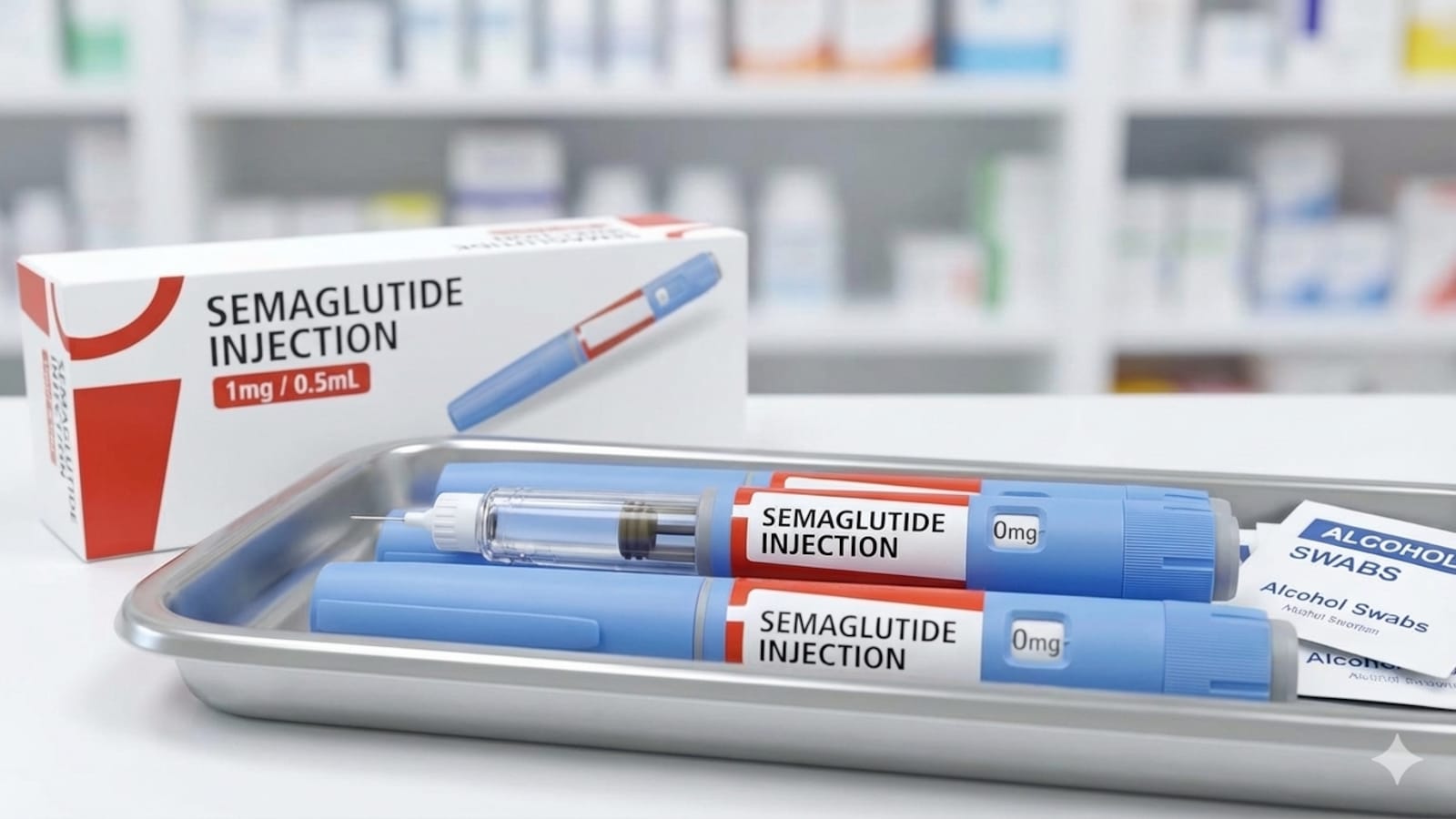
Researchers studied whether semaglutide and similar medicines might cause a rare type of vision problem called NAION.
In one large analysis, fewer cases appeared among medicine users than among people given a placebo.
However, there were only eight confirmed cases, so the study could not completely answer the question.
European and UK regulators still list NAION as a very rare possible side effect of semaglutide.
Other studies have disagreed about how much risk may exist.
Diabetes, high blood pressure and sleep apnoea can also increase a person’s risk of NAION.
This means the medicine may not be proven to cause blindness, but the safety signal is still being watched.
Patients should not stop semaglutide on their own.
Anyone with sudden vision changes should get medical help quickly.

A pooled analysis of nearly 97,000 participants found no increased NAION incidence with liraglutide or semaglutide.
The analysis recorded three NAION cases among GLP-1 users and five among placebo recipients.
The European Medicines Agency classified NAION as a very rare possible semaglutide side effect in 2025.
Observational studies have produced mixed results and cannot alone prove that semaglutide causes NAION.
Indian patients are advised not to stop treatment without medical advice and to seek urgent care for sudden vision changes.
- Who
- Novo Nordisk, European and UK medicines regulators, researchers, and patients using semaglutide are involved.
- What
- New clinical-trial data found no increased incidence of NAION with semaglutide or liraglutide, while regulators continue to recognize NAION as a very rare possible semaglutide side effect.
- Where
- The issue concerns semaglutide use internationally, with particular relevance discussed for patients in India.
- When
- The regulatory classification was made in 2025; Novo Nordisk’s response cites recently published pooled trial data.
- Why
- The response follows lawsuits and reports alleging that GLP-1 medicines were linked to sudden vision loss.
Novo Nordisk’s Evidence
Regulatory Caution
Does semaglutide increase NAION risk?
Novo Nordisk’s Evidence
Novo Nordisk says pooled randomized, placebo-controlled trial data did not show an increased incidence of NAION among liraglutide or semaglutide users.
Regulatory Caution
The European Medicines Agency and UK regulators list NAION as a very rare possible adverse effect after reviewing clinical, post-marketing and observational evidence.
How should the evidence be interpreted?
Novo Nordisk’s Evidence
Novo Nordisk says the totality of evidence supports a favourable semaglutide benefit-risk profile and does not demonstrate increased NAION incidence.
Regulatory Caution
Regulators and the broader evidence base indicate that a very rare safety signal cannot be dismissed, especially because randomized trials recorded very few cases and observational studies have had mixed findings.
What should patients do?
Novo Nordisk’s Evidence
Novo Nordisk’s position supports continuing to weigh semaglutide’s benefits against individual risks rather than treating reports as proof that the medicine causes blindness.
Regulatory Caution
Patients should discuss treatment decisions with their doctors, consider underlying risks such as diabetes and hypertension, and seek urgent assessment for sudden vision changes.
Key facts
- Pooled analysis participants
- 96,829 people
- Total observation
- 205,777 participant-years
- NAION cases
- Three among GLP-1 receptor agonist users and five among placebo recipients
- Observed incidence
- Approximately 3 cases per 100,000 participant-years with GLP-1 medicines versus 6 with placebo
- Regulatory assessment
- The European Medicines Agency estimated about a two-fold relative-risk increase and approximately one additional case per 10,000 person-years among adults with type 2 diabetes
- Post-marketing exposure
- Novo Nordisk reported more than 58 million semaglutide patient-years
- Indian diabetes burden
- The ICMR-INDIAB study estimated 101 million Indian adults had diabetes and 136 million had prediabetes
Sources
Related news
GLP-1 Drugmakers Face US Lawsuits Over Rare Blindness Risk

Novo Nordisk and Eli Lilly Sued Over Vision Loss Claims
GLP-1 Drugs Face Lawsuits Over Rare Vision Loss Claims
Eli Lilly’s Mounjaro Approved to Reduce Cardiovascular Risks

China Enters Race for Next Generation Weight-Loss Drugs
Novo Nordisk Targets Blockbuster Launches Amid Obesity-Drug Patent Concerns

NHS Rules Face Challenge From Changing Healthcare AI
Weekly Insulin Treatment Could Cut Diabetes Injections to 52

Ebola outbreak reaches 3,200 cases as UK approves vaccine trial

GLP-1 drugs linked to higher hair loss risk
