

2 hrs ago
Ozempic, Wegovy and Zepbound Makers Face US Blindness Lawsuits
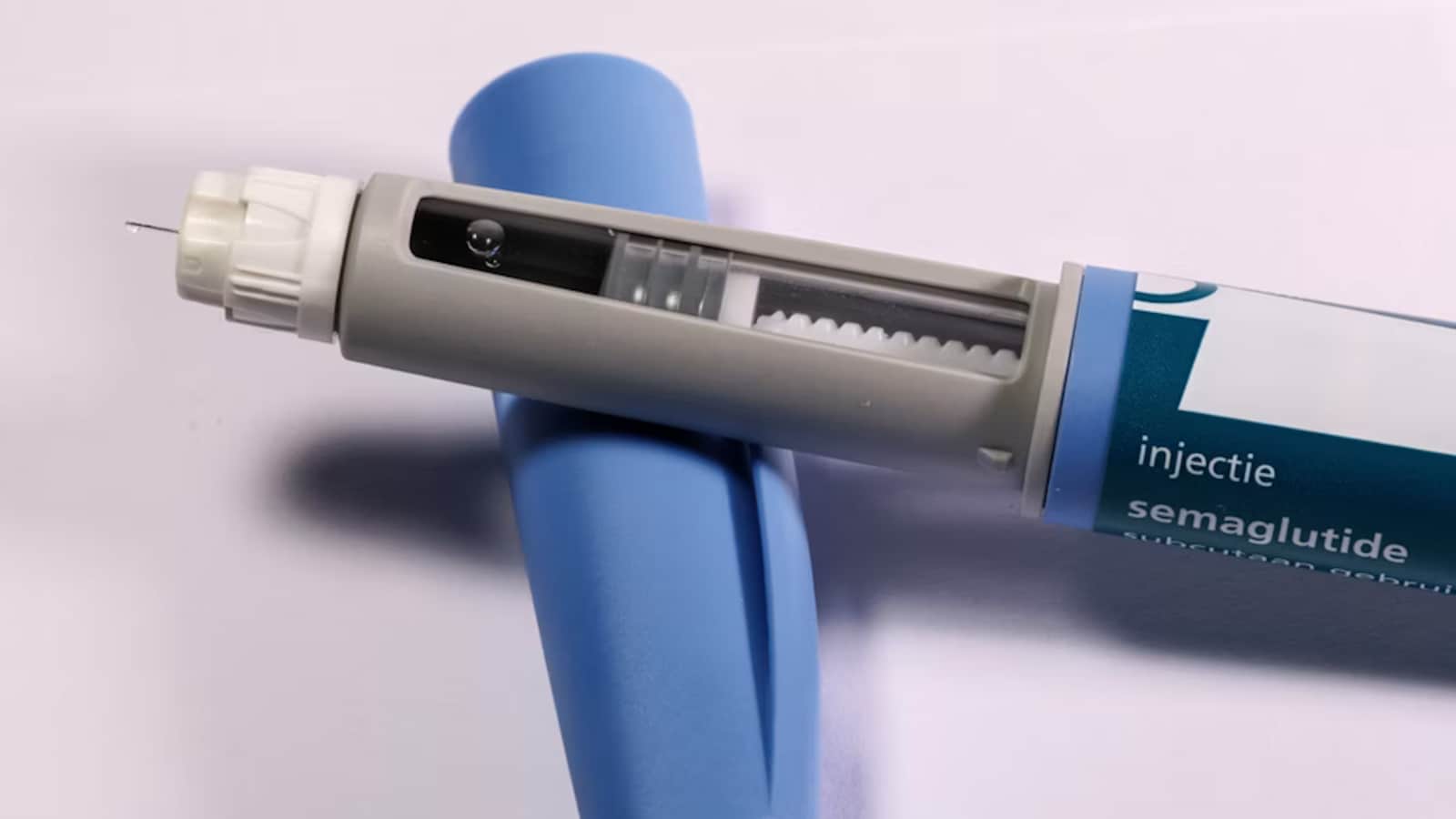
Some people who took popular medicines such as Ozempic, Wegovy, and Zepbound say they suddenly lost vision.
They have filed lawsuits against the companies that make these medicines.
The lawsuits say the companies should have given stronger warnings about a rare eye problem called NAION.
NAION can cause sudden vision loss, usually in one eye.
The drug companies say the medicines have not been proven to cause this problem.
Scientists have found mixed results when studying the possible connection.
Some regulators say the problem may happen very rarely with semaglutide medicines.
People should not stop their medicine without speaking to a doctor.
Anyone with sudden or worsening vision should get urgent medical help.

Dozens of US patients are suing Novo Nordisk and Eli Lilly over alleged sudden vision loss linked to GLP-1 medicines.
The lawsuits focus on nonarteritic anterior ischemic optic neuropathy, or NAION, a rare condition that can cause sudden vision loss in one eye.
The companies dispute that their medicines caused NAION, and Novo Nordisk called the personal injury lawsuits without merit.
Research remains mixed: a 2024 study and 2026 meta-analyses found no statistically significant overall association, but evidence certainty was low or very low.
Regulators have acknowledged a very rare potential association with semaglutide and advise urgent eye assessment after sudden vision changes.
- Who
- Dozens of patients, Novo Nordisk, Eli Lilly, regulators, and researchers are involved.
- What
- Patients have sued the makers of Ozempic, Wegovy, and Zepbound, alleging the medicines caused sudden vision loss and were not adequately labeled for NAION risk.
- Where
- The lawsuits were filed in the United States; European and UK regulators have also addressed the possible association.
- When
- The lawsuits are reported amid research and regulatory actions spanning 2024 through 2026.
- Why
- Patients allege inadequate warnings, while regulators and researchers are investigating conflicting evidence about whether GLP-1 medicines can cause NAION.
Patients and Safety Concerns
Drugmakers and Causal Uncertainty
Whether the medicines caused vision loss
Patients and Safety Concerns
Patients allege that GLP-1 medicines caused their sudden vision loss and that the drugs were responsible for their NAION diagnoses.
Drugmakers and Causal Uncertainty
Novo Nordisk and Eli Lilly dispute a causal connection, while studies have produced mixed results and have not conclusively established causation.
Adequacy of warnings
Patients and Safety Concerns
The lawsuits claim the manufacturers did not adequately warn patients about the potential NAION risk.
Drugmakers and Causal Uncertainty
Novo Nordisk says it takes adverse-event reports seriously and considers the personal injury lawsuits without merit; Eli Lilly also disputes the claims.
How patients should respond
Patients and Safety Concerns
Patients experiencing sudden or worsening vision should seek urgent eye care because NAION can cause serious vision loss.
Drugmakers and Causal Uncertainty
Patients should not stop GLP-1 treatment solely because of the lawsuits and should discuss individual risks and treatment decisions with their doctors.
Key facts
- Medicines involved
- Ozempic, Wegovy, and Zepbound; the broader class includes semaglutide and tirzepatide.
- Condition at issue
- Nonarteritic anterior ischemic optic neuropathy, or NAION, which can cause sudden vision loss, typically in one eye.
- Defendants
- Novo Nordisk, maker of Ozempic and Wegovy, and Eli Lilly, maker of Zepbound.
- 2024 study
- A multinational observational study of more than 297,000 people found no statistically significant association between semaglutide and NAION.
- 2026 evidence
- Two systematic reviews and meta-analyses reported no statistically significant overall increase or conflicting findings, with evidence certainty rated low to very low in one review.
- Regulatory status
- The World Health Organization, European Medicines Agency, and UK regulator have acknowledged a very rare potential association with semaglutide.
- Patient advice
- Patients should not stop treatment on their own, but sudden or rapidly worsening vision requires urgent ophthalmological assessment.
Sources
Related news

Novo Nordisk and Eli Lilly Sued Over Vision Loss Claims

Doctors Warn Against Treating Ozempic as a Weight-Loss Shortcut

China Enters Race for Next Generation Weight-Loss Drugs

China’s Weight-Loss Drug Market Attracts Big Pharma Advertising Push

Expert Questions Whether GLP-1 Drugs Are Creating New Diet Culture

Study Links Weight Loss Drugs To Genetic Hair Loss Risk

NHS Rules Face Challenge From Changing Healthcare AI
Weekly Insulin Treatment Could Cut Diabetes Injections to 52

Ebola outbreak reaches 3,200 cases as UK approves vaccine trial

GLP-1 drugs linked to higher hair loss risk
