3 hrs ago
GLP-1 Drugs Face Lawsuits Over Rare Vision Loss Claims
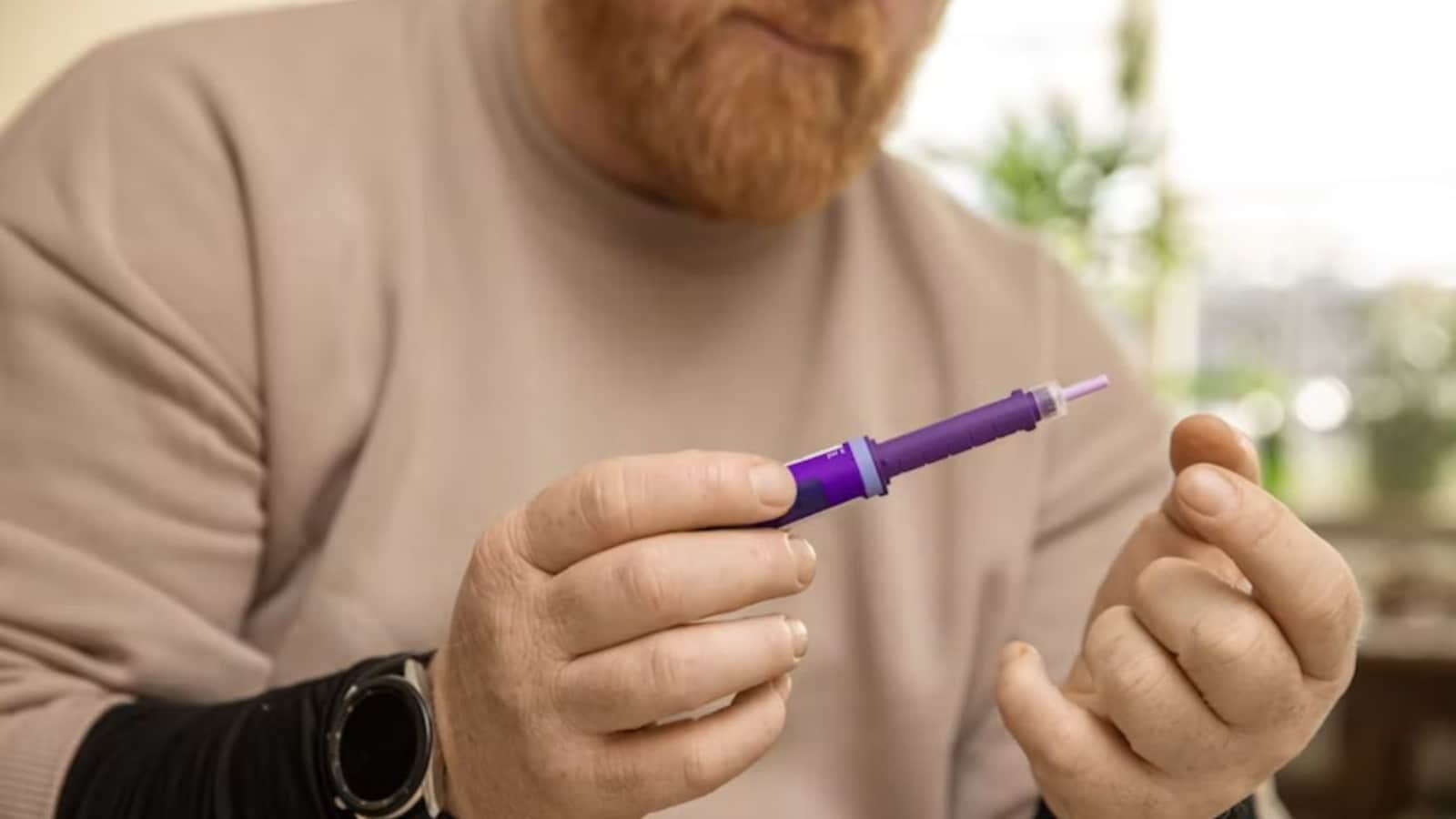
Some medicines used for diabetes and weight loss can cause side effects.
Semaglutide may cause nausea, vomiting, diarrhea, constipation, and stomach pain.
These stomach problems can sometimes cause dehydration and kidney problems.
Rarely, the medicine may be linked with gallbladder problems or pancreatitis.
Some patients have sued drug companies after experiencing sudden vision loss.
They say the medicines may be connected to a rare eye condition called NAION.
However, the lawsuits do not prove that the medicines caused the condition.
Scientists and regulators are still studying whether there is a real connection.
People should talk with their doctors before making changes to their treatment.

Patients in the United States have sued Novo Nordisk and Eli Lilly over alleged sudden vision loss linked to GLP-1 medicines.
The lawsuits focus on non-arteritic anterior ischemic optic neuropathy, or NAION, a rare condition that can damage the optic nerve.
Courts have not established that semaglutide or tirzepatide causes NAION, and scientific evidence remains mixed.
Common semaglutide side effects include nausea, vomiting, diarrhea, constipation, stomach discomfort, and feeling unusually full.
Patients should seek medical attention for sudden vision changes and should not stop prescribed treatment without consulting a doctor.
- Who
- Patients taking medicines including Ozempic, Wegovy, Zepbound, and Mounjaro; manufacturers Novo Nordisk and Eli Lilly; and regulators and researchers investigating possible risks.
- What
- Patients have filed lawsuits alleging that GLP-1 medicines can cause NAION and sudden vision loss, while the medicines are also associated with a range of common and rare side effects.
- Where
- The lawsuits were filed in the United States.
- When
- The article does not provide a specific date; the lawsuits and investigations are current developments described in the report.
- Why
- Patients allege that the medicines caused vision problems, while regulators and researchers are examining whether a possible connection exists.
Potential Safety Concern
Evidence Still Uncertain
Possible link to sudden vision loss
Potential Safety Concern
Patients allege that semaglutide and related GLP-1 medicines caused NAION and sudden vision loss, leading them to file lawsuits against the manufacturers.
Evidence Still Uncertain
The allegations have not been established as facts by courts, and researchers say the scientific evidence on whether GLP-1 medicines cause NAION remains mixed.
How patients should respond
Potential Safety Concern
Sudden or rapidly worsening vision may indicate a serious problem and should receive prompt medical attention.
Evidence Still Uncertain
The lawsuits do not mean that every patient will develop serious side effects, and patients are advised not to stop prescribed medicines on their own but to discuss concerns with their doctors.
Key facts
- Condition at issue
- Non-arteritic anterior ischemic optic neuropathy, or NAION, which can damage the optic nerve and cause sudden vision loss, usually in one eye.
- Medicines mentioned
- Ozempic, Wegovy, Zepbound, and Mounjaro, along with semaglutide and tirzepatide.
- Manufacturers named
- Novo Nordisk makes Ozempic and Wegovy; Eli Lilly makes Zepbound.
- Evidence status
- The lawsuits have not established in court that the medicines cause NAION, and scientific evidence remains mixed.
- Common side effects
- Nausea, vomiting, diarrhea, constipation, abdominal pain, bloating, indigestion, and unusual fullness.
- Serious potential complications
- Dehydration-related kidney problems, gallbladder disease, pancreatitis, low blood sugar with certain diabetes medicines, and vision changes.
- Medical advice
- People with sudden or worsening vision should seek medical attention and should not stop prescribed treatment without consulting a doctor.
Sources
Related news

GLP-1 Drugmakers Face US Lawsuits Over Rare Blindness Risk
Novo Defends Semaglutide as Regulators Flag Rare Vision Risk

Novo Nordisk and Eli Lilly Sued Over Vision Loss Claims

Doctors Warn Against Treating Ozempic as a Weight-Loss Shortcut

China Enters Race for Next Generation Weight-Loss Drugs

Karan Johar Explains Weight Loss Amid Ozempic Rumours
Novo Nordisk Eyes Hair-Loss Treatments Beyond Obesity Drugs